
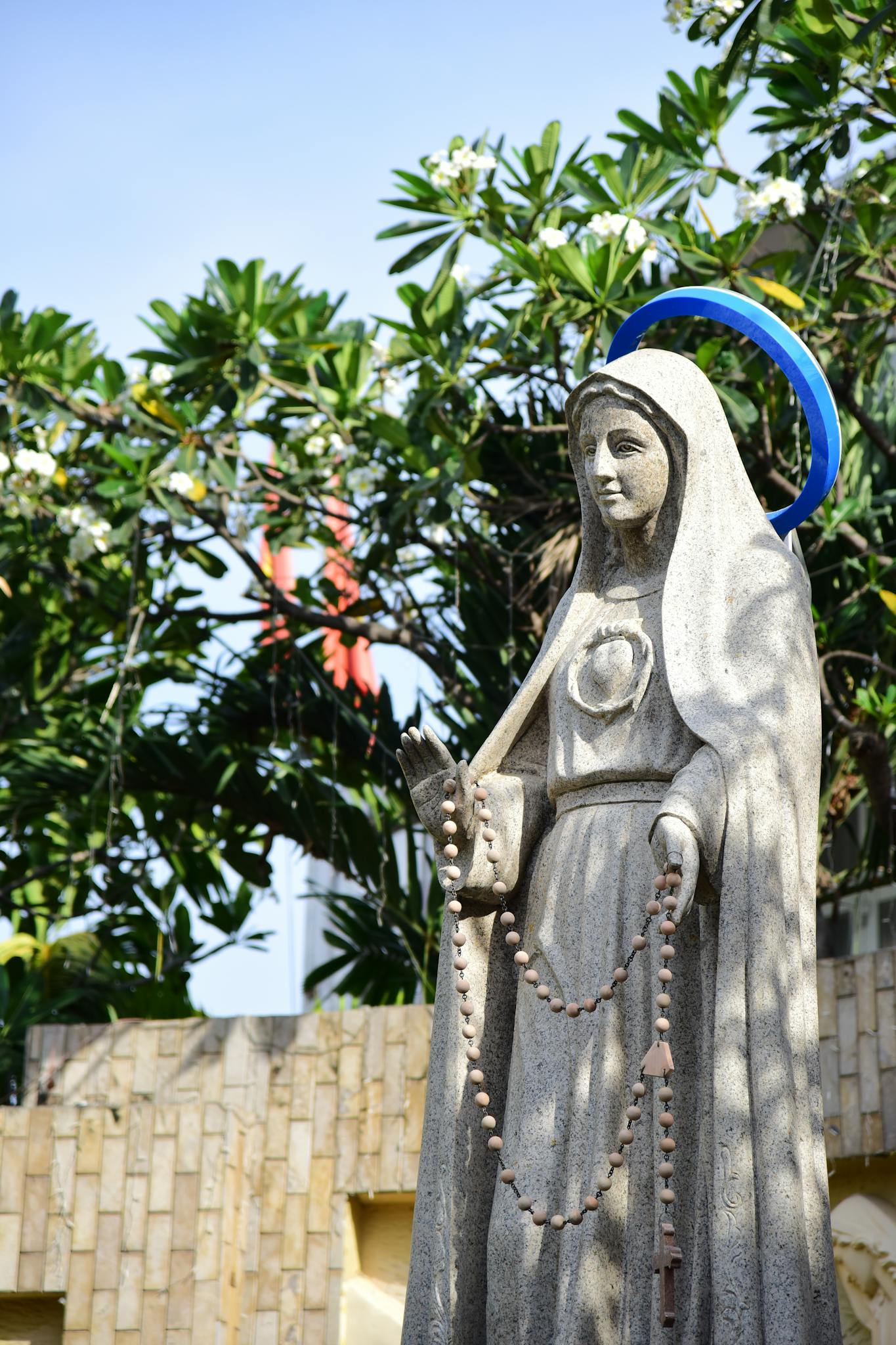
Devotion to St. Peregrine
Devotions
Devotion to the fourteenth-century Servite friar honored as patron of cancer patients, rooted in his order’s account of a healing from a leg affliction the night before scheduled amputation.
Devotion to St. Peregrine Laziosi honors a friar of the Servite Order, born around 1260 in Forlì, Italy, venerated today as patron of those suffering from cancer and other serious illness. Servite tradition recounts that, in his sixties, an infection in his leg turned cancerous and doctors scheduled amputation; the night before surgery, Peregrine prayed before a crucifix and reportedly experienced a vision in which Christ touched the diseased leg, after which the affliction was found gone by morning. He died in 1345, was beatified in 1609 and canonized in 1726, and his feast is kept on May 1, the date of his death. This site presents the healing account as it comes down through Servite tradition, not as independently verified medical history.
Quick Facts
- Category: Saint-Associated Devotions — Named Saint Devotions
- Origin: Servite hagiography of St. Peregrine Laziosi (c. 1260–1345), an Italian friar of the Order of Servants of Mary, and his reported healing from leg cancer
- Feast: May 1
- Church status: A permitted and established saint devotion; canonization confirms the Church’s judgment on his heroic sanctity, not a medical verdict on the reported healing itself
- Private revelation: Not formally classified as private revelation in the modern discernment sense; the reported vision belongs to older hagiographical tradition, and Catholics are not obliged to accept every narrative detail as historically certain
What Is This Devotion?
Devotion to St. Peregrine means seeking his intercession especially for cancer and other serious illness, through prayer, a novena, or a St. Peregrine medal carried as a sacramental reminder of trust in God’s care. His relics rest at the Servite church in Forlì, which remains a place of pilgrimage, and his intercession is widely sought by patients, families and caregivers facing a cancer diagnosis.
Origin and History
Servite tradition holds that as a young man involved in political unrest in Forlì, Peregrine struck the visiting Servite preacher Philip Benizi, later himself canonized. Overcome with remorse, Peregrine sought forgiveness and joined the Servite Order, was ordained, and returned to Forlì, where he founded a Servite house and became known for his ministry to the sick and the poor.
In his sixties, an infected leg wound is said to have turned cancerous, and doctors scheduled amputation. The night before surgery, Peregrine prayed before a crucifix and reportedly experienced a vision of Christ touching his leg, after which the affliction was found to be healed by morning; some later commentators have noted that spontaneous remission of cancer, while rare, is a recognized if poorly understood medical phenomenon. He died in 1345, was beatified by Pope Paul V in 1609, and was canonized by Pope Benedict XIII in 1726.
Catholic Theology
Devotion to Peregrine rests on ordinary Catholic teaching about the intercession of the saints and the value of redemptive suffering, drawing on his own decades of illness and continued service before his healing. Seeking his intercession is an act of hope and trust in God’s providence, not a substitute for medical treatment; Catholic teaching insists that prayer accompany, rather than replace, the ordinary means of care God provides through medicine.
How to Practice It
- Pray a novena or daily prayer to St. Peregrine, especially for those suffering from cancer or serious illness.
- Ask his intercession alongside, never instead of, ordinary medical care and treatment.
- Consider carrying a St. Peregrine medal as a sacramental reminder of trust in God’s care, understood as a sign of devotion, not a guarantee of cure.
- Reflect on his decades of suffering and service as a model of perseverance through illness.
Associated Prayers
When It’s Observed
St. Peregrine’s feast falls on May 1 each year, kept especially within the Servite Order and by communities with a historical devotion to him. That date coincides with the universal feast of St. Joseph the Worker, so Peregrine’s observance is a particular rather than universal one on the Church’s calendar.
Church Status
St. Peregrine’s canonization in 1726 gives him the full and permanent standing of a Church-recognized saint whose intercession Catholics may confidently seek. His specific patronage over cancer patients rests on long-received popular tradition connected to his hagiography rather than a separate formal decree naming him such, and it carries the weight of custom rather than a distinct doctrinal declaration.
Common Misconceptions
“Praying to St. Peregrine replaces the need for medical treatment for cancer.”
This is not Catholic teaching. The Church has always taught that seeking the intercession of saints is meant to accompany, never replace, the ordinary means God provides through medicine and competent medical care. Devotion to St. Peregrine is an act of hope and trust alongside treatment, not an alternative to it.
Frequently Asked Questions
What happened to St. Peregrine’s leg, according to his traditional biography?
Servite tradition holds that an infected leg wound turned cancerous when Peregrine was in his sixties, and that doctors scheduled amputation. The night before the surgery, he is said to have prayed before a crucifix and experienced a vision of Christ touching his leg, after which the affliction was found to be healed. This account comes from his order’s hagiography rather than an independently documented medical record.
When was St. Peregrine canonized, and is his feast on the universal Church calendar?
He was beatified in 1609 by Pope Paul V and canonized in 1726 by Pope Benedict XIII. His feast, May 1, is kept especially within the Servite Order and by communities with a historical devotion to him; it is not the universal General Roman Calendar’s principal observance for that date, which belongs to the feast of St. Joseph the Worker.
Why did St. Peregrine become a Servite friar?
Tradition holds that as a young man involved in political unrest in Forlì, Peregrine struck the visiting Servite preacher Philip Benizi, later himself canonized. Overcome with remorse, Peregrine sought forgiveness and eventually joined the Servite Order, later returning to Forlì to minister to the sick and the poor.
Sources
- Directory on Popular Piety and the Liturgy: Principles and Guidelines (2001)
- General Roman Calendar
- Roman Martyrology and the Order of Servants of Mary (Servite Order), for the saint’s biography and canonization history