
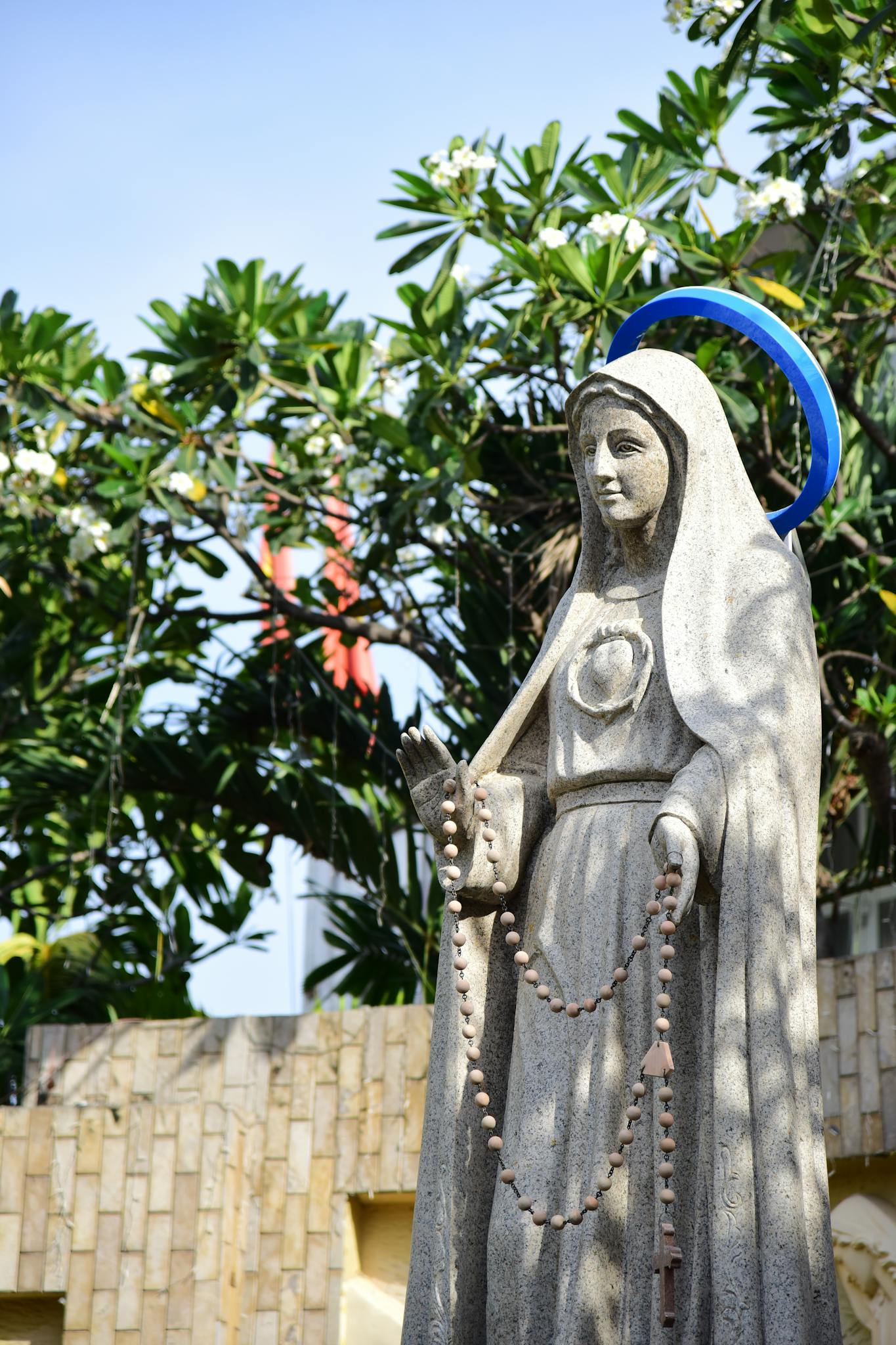
Saint Vicenta María López y Vicuña
Saints

A nineteenth-century Spanish laywoman who built a congregation to protect and educate the young domestic servants of Madrid, many of them poor girls newly arrived from the countryside.
Saint Vicenta María López y Vicuña was a Spanish laywoman and religious founder of the nineteenth century, born in Navarre and active chiefly in Madrid, where she became deeply concerned for the welfare of young women who had left rural villages to work as domestic servants in the city, often vulnerable to exploitation and moral danger with little support. In 1876 she founded what became the Congregation of the Daughters of Mary Immaculate for Domestic Service, an institute dedicated to housing, forming, and finding safe employment for these young women, combining practical protection with spiritual and educational formation. She died in Madrid in December 1890, having spent her adult life building an institution that continued and expanded her work long after her death, extending eventually well beyond Spain. She is remembered as a pioneer in what would later be recognized as a distinct field of social and labor-oriented Catholic charity.
Quick Facts
- Born: 1847, Cascante, Navarre, Spain
- Died: December 26, 1890, Madrid, Spain
- Feast Day: July 26
- Canonized: by Pope Paul VI in 1975 (beatified in 1950 by Pope Pius XII)
- Patron of: domestic workers and the Congregation of the Daughters of Mary Immaculate for Domestic Service
Who Was Saint Vicenta María López y Vicuña?
Vicenta María López y Vicuña was born into a devout family in Navarre and, after her family relocated, came of age in Madrid during a period of rapid change in Spanish urban life, as industrialization and internal migration drew large numbers of young rural women into the cities to work as domestic servants. Deeply moved by how exposed these girls were — cut off from family support, often poorly treated, and at real risk of exploitation — she dedicated herself first informally and then through a formal religious congregation to their protection and formation. In 1876 she founded the institute known as the Daughters of Mary Immaculate for Domestic Service, establishing houses that offered young working women lodging, moral and religious education, and help finding respectable employment, treating what many of her contemporaries saw as a purely social problem as also a matter of Christian charity and human dignity. She governed the growing congregation until her death in Madrid in 1890, leaving behind an institute that would go on to spread to other countries.
Historical Setting
Vicenta María’s work belongs to the broader nineteenth-century Catholic response to the social dislocations of industrialization and urban migration, a period in which numerous founders — many of them women — established congregations targeted at specific vulnerable populations rather than general charitable work: factory girls, domestic servants, the sick poor, and abandoned children among them. In Spain, as elsewhere in Catholic Europe, the rapid growth of cities like Madrid created new forms of poverty and moral risk that traditional parish charity was not structured to address, prompting exactly the kind of targeted, institution-building response Vicenta María undertook.
Why the Church Venerates Saint Vicenta María
Vicenta María is honored for recognizing an overlooked form of vulnerability — the isolation and exploitation risked by young women in domestic service — and responding not merely with charity in the abstract but with a sustained, practical institution built specifically to meet that need. Her congregation combined shelter, formation, and dignified employment in a way that treated the young women it served as persons to be formed and accompanied, not simply problems to be managed, a combination the Church has consistently highlighted in the causes of modern social founders.
Canonization and Feast Day
Vicenta María López y Vicuña was beatified by Pope Pius XII on February 19, 1950, and canonized by Pope Paul VI on May 25, 1975, during that year’s Holy Year canonizations, following the usual process of investigation into her life, virtues, and the miracles attributed to her intercession. Her feast is kept on July 26, and her congregation, along with the wider Church in Spain, continues to mark the anniversary with particular devotion given its direct connection to her founding work.
What Catholics Can Learn Today
Vicenta María’s ministry speaks directly to concerns that remain current: the vulnerability of migrant and domestic workers, and the ease with which people doing essential but low-status labor can be overlooked or exploited. Her example challenges Catholics today to notice the specific, often invisible forms of vulnerability present in their own communities and to respond with the same combination of practical structure and personal care that marked her own life’s work.
A Prayer to Saint Vicenta María
Saint Vicenta María, who saw the loneliness of young women far from home and built them a place of safety and dignity, watch over all who labor unseen in the households and cities of the world. Give courage to those who are far from family and vulnerable to exploitation, and give generosity to those who could shelter them. Teach us to see dignity where the world sees only service. Amen.
Sources
- Vatican.va
- EWTN
- the historical record of the Congregation of the Daughters of Mary Immaculate for Domestic Service