
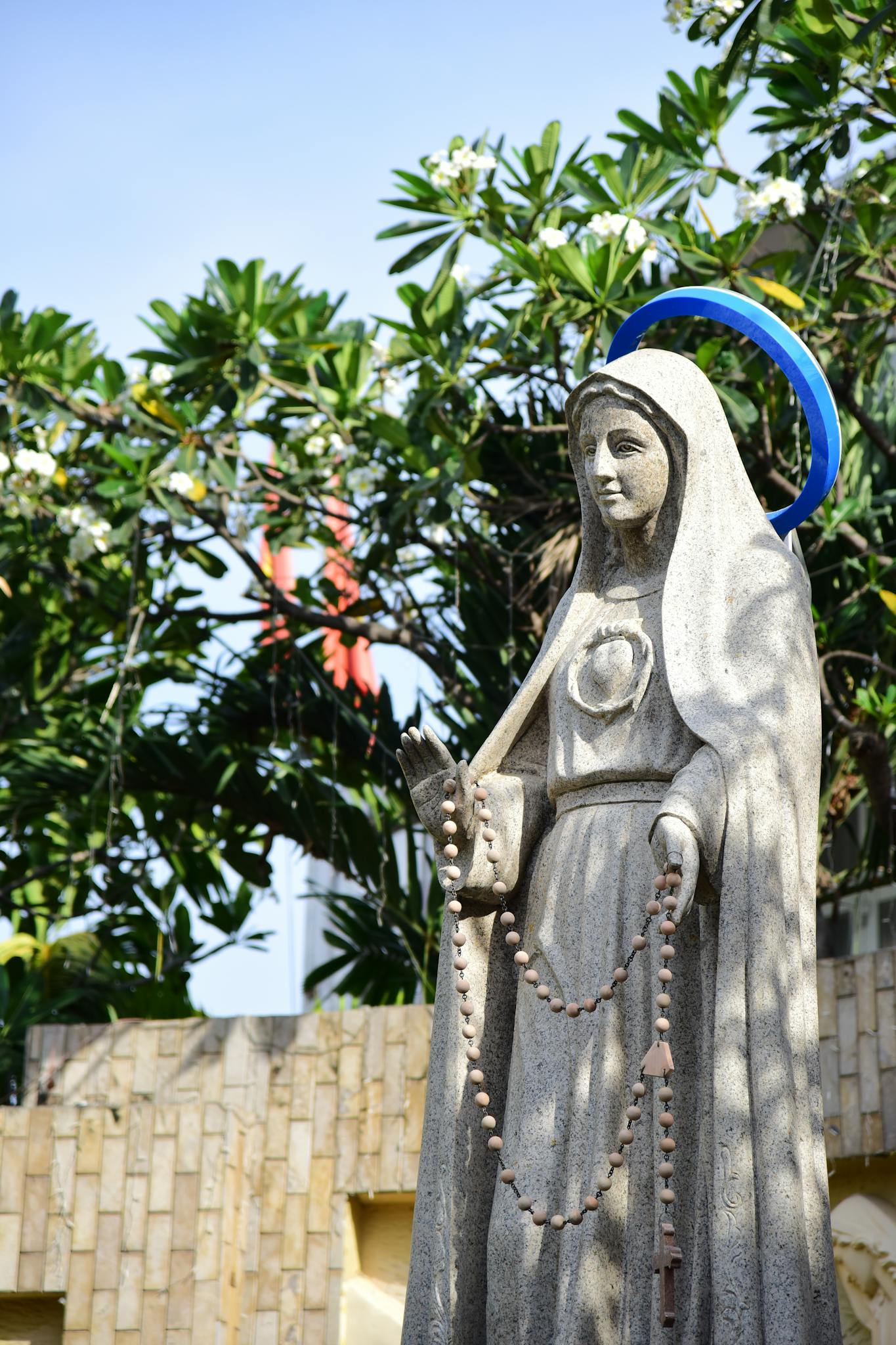
Saint Teresa Jornet Ibars
Saints

A nineteenth-century Spanish nun who founded the Little Sisters of the Abandoned Elderly, devoting her life and dozens of new convents to the poorest and most forgotten of the aged.
Saint Teresa Jornet Ibars (1843-1897), sometimes called Teresa of Jesus Jornet to distinguish her from Teresa of Ávila, was a Spanish religious founder who dedicated her life to the abandoned elderly poor. Born in Aitona in the province of Lleida, she briefly tried religious life with an existing congregation before discerning a distinct call. In 1873, working with a local priest in Valencia, she founded the Little Sisters of the Abandoned Elderly, a congregation devoted entirely to housing and caring for destitute old people who had no family to support them. Under her leadership the congregation expanded with remarkable speed, opening dozens of homes across Spain and, before her death, into Latin America as well. She personally traveled to establish many of these houses, living out a demanding rule of direct, hands-on care for the aged poor. She died in 1897 in Liria, near Valencia, and was canonized in 1974.
Quick Facts
- Born: January 9, 1843, Aitona, Lleida, Spain
- Died: August 26, 1897, Liria, Valencia, Spain
- Feast Day: August 26
- Canonized: January 27, 1974, by Pope Paul VI
- Founded: Little Sisters of the Abandoned Elderly, 1873
- Patron of: the elderly and those who care for them
Who Was Saint Teresa Jornet Ibars?
Teresa Jornet Ibars was born in 1843 in the small town of Aitona in the Catalan-speaking province of Lleida, Spain, into a devout farming family. As a young woman she felt drawn to religious life and for a time tried her vocation with an established congregation, but she came away convinced that God was calling her to something more specific: direct, personal care for the elderly poor who had nowhere else to turn. In 1873, together with a priest who shared her concern for Spain’s abandoned aged, she founded the Little Sisters of the Abandoned Elderly in Valencia. The new congregation’s charism was strikingly concrete: sisters would live alongside the elderly they served, doing the humble physical work of feeding, washing, and nursing the poorest old people of a town or city, refusing to turn anyone away for lack of means. What began as a single small house grew with astonishing speed. Teresa herself traveled constantly, often on foot or by mule over difficult roads, to found new communities across Spain, and by the time of her death the congregation had opened dozens of homes and had already begun spreading into Latin America. She died in 1897 in Liria, near Valencia, having spent nearly a quarter century in ceaseless, physically exhausting service to the elderly poor.
Historical Setting
Teresa lived through a turbulent period in Spanish history, marked by political instability, the loss of Spain’s remaining American colonies, and a rapidly changing economy that was eroding older systems of family and village-based care for the aged. Nineteenth-century Spain, like much of Catholic Europe, saw the rise of new ‘active’ religious congregations of women dedicated to concrete social ministries, hospitals, schools, and hospices, in contrast to the older contemplative orders. This was also an era of growing anticlerical sentiment among liberal and republican political movements, which made the practical, visibly charitable work of congregations like the Little Sisters an important public witness to the Church’s continued care for society’s most vulnerable members.
Why the Church Venerates Saint Teresa Jornet Ibars
The Church honors Teresa Jornet Ibars for identifying and responding to a need that many overlooked: the plight of elderly people with no family or resources to support them in their final years. Her insistence that her sisters live in genuine poverty alongside those they served, sharing their simple food and material want, is remembered as a distinctive and demanding expression of Gospel charity. The extraordinary rate at which her congregation expanded during her own lifetime, dozens of houses founded through her personal, often grueling travel, is seen as evidence of both her organizational gifts and the depth of the need she was addressing.
Canonization and Feast Day
Teresa Jornet Ibars was beatified in 1958 and canonized on January 27, 1974, by Pope Paul VI. Her feast day is observed on August 26, the anniversary of her death in 1897. The Little Sisters of the Abandoned Elderly, the congregation she founded, continues her work today, operating homes for the elderly poor in Spain, across much of Latin America, and beyond.
What Catholics Can Learn Today
In a world where aging populations and isolated elderly people remain a pressing social concern, Teresa Jornet Ibars offers a direct and unglamorous model of care: showing up, staying present, and doing the physical work of tending to the old and forgotten rather than merely advocating for them from a distance. Her example challenges Catholics to see care for elderly parents, neighbors, and strangers alike as a genuine spiritual vocation, not a burden to be outsourced or avoided.
A Prayer to Saint Teresa Jornet Ibars
Saint Teresa Jornet Ibars, you gave your strength and your years to the abandoned elderly, seeing in their poverty and loneliness the face of Christ. Teach us to honor the aged among us, to visit the forgotten, and to serve with our hands and not only our sympathy. Obtain for us your tireless charity, that we may build a world where no one grows old unloved. Amen.
Sources
- Vatican.va, biography for the canonization of Teresa Jornet Ibars
- Little Sisters of the Abandoned Elderly, congregational history
- EWTN, saints biography archive
- Encyclopaedia Britannica