
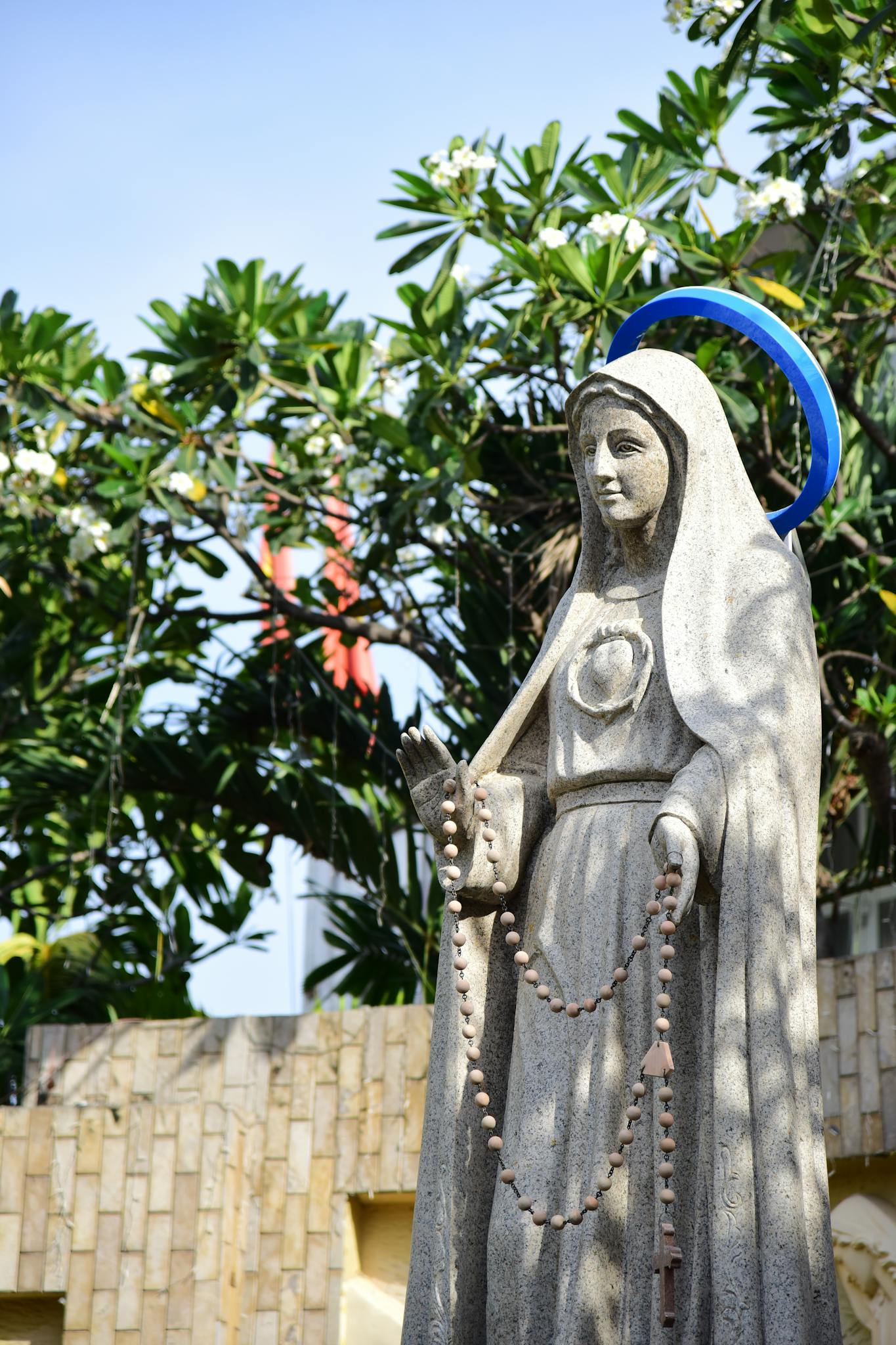
Who Was Saint Tarcice de Rodez?
Saints
A hermit of southern France linked by tradition to the Merovingian royal family, remembered as a daughter of Saint Clotilde near Rodez.
Saint Tarcice de Rodez was a hermit associated with the town of Rodez, in southern France, whose death tradition places around the year 600. Local tradition identifies her as a daughter of Saint Clotilde, the Frankish queen, and a sister of Saint Ferréol d’Uzès, linking her to one of the most prominent Christian families of the Merovingian era, though this royal genealogy rests on tradition that later historical study has not been able to fully verify.

Quick Facts
- Died: c. 600 (tradition), Rodez, France
- Venerated as: Hermit
Who Was Saint Tarcice de Rodez?
Tarcice is remembered as a hermit who lived a life of solitary religious devotion near Rodez, in what is now southern France, around the turn of the seventh century. Local tradition attaches to her a notable genealogy, presenting her as a daughter of Saint Clotilde, the Frankish queen credited with helping bring her husband Clovis and his kingdom to Catholic Christianity, and as a sister of Saint Ferréol d’Uzès, a bishop venerated in the same region.
Historical Setting
The generations following Clotilde and Clovis saw Frankish royal and noble families increasingly produce sons and daughters drawn to consecrated religious life, monastic founding, and eremitical withdrawal, often as a direct expression of the dynasty’s new Christian identity. Whether or not Tarcice’s precise family connections can be fully substantiated by later historians, the tradition linking her to this royal line reflects a real and well-attested pattern among Merovingian Christian nobility.
Why the Church Remembers Saint Tarcice de Rodez
The Church remembers Tarcice for embracing a hidden, ascetic life reportedly in preference to the comforts and prominence her family connections might otherwise have afforded her, a choice consistent with the broader Merovingian pattern of royal and noble women turning away from court life toward prayer and solitude. Her cult, centered on Rodez, has preserved her memory as a local example of this same impulse.
Canonization and Feast Day
No formal canonization process is recorded for Saint Tarcice de Rodez, consistent with saints of this era; her veneration rests on ancient local cult around Rodez, carried into the Church’s calendar through long tradition rather than any documented decree.
What Catholics Can Learn Today
Tarcice’s reported choice to embrace solitude and prayer despite a prominent family background speaks to anyone who feels that status or connections should chart their life’s course for them. Catholics from privileged backgrounds today, weighing what their own vocation may ask of them, can find in her tradition an example of setting aside expected paths in favor of a more hidden and demanding call.
A Prayer to Saint Tarcice de Rodez
Saint Tarcice de Rodez, who set aside royal connection for a hidden life of prayer, help those who feel pressure to follow a path set out by family or status to listen instead for God’s own call on their lives. Amen.
Sources
- Local hagiographic tradition of Rodez, France
- Butler’s Lives of the Saints