
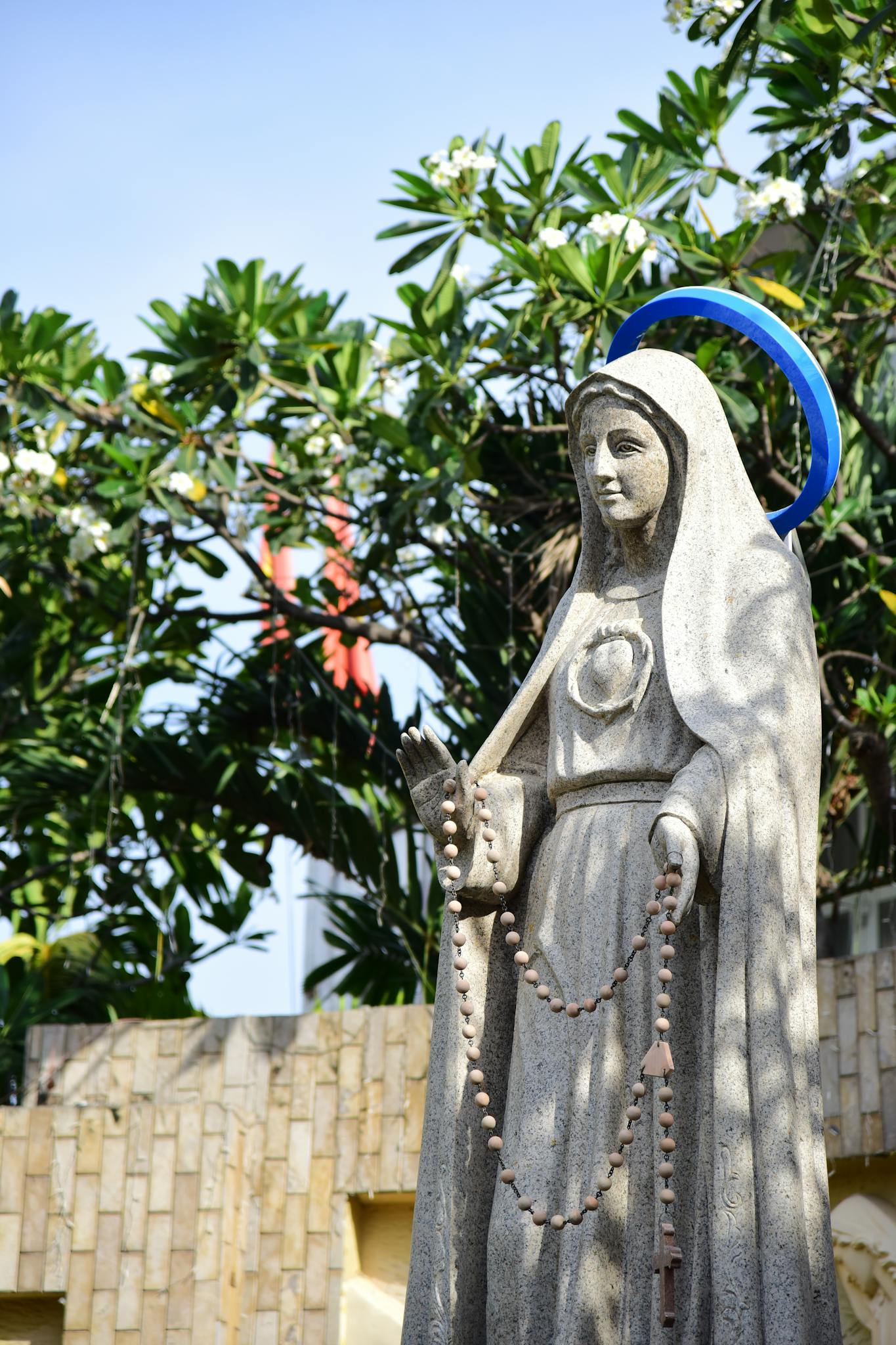
Who Was Saint Susanna di Roma?
Saints
A Roman virgin martyred in 294 for refusing an imperial marriage, whose memory is kept at the ancient titular church of Santa Susanna in Rome.
Saint Susanna di Roma was a Christian laywoman martyred in Rome on 11 August 294, according to the tradition attached to the ancient church of Santa Susanna, which still bears her name in the city. She is remembered as having refused marriage to a relative of the imperial household in order to preserve her consecration to Christ, a refusal that tradition says led directly to her execution. She remains one of Rome’s honored virgin martyrs of the pre-Constantinian era.

Quick Facts
- Died: 11 August 294, Rome, Italy
- Venerated as: Lay martyr, consecrated virgin
- Titular church: Santa Susanna, Rome
Who Was Saint Susanna di Roma?
Susanna is remembered in Roman tradition as a young Christian woman who had dedicated her life to Christ and who resisted pressure to marry into a family connected to the imperial court, choosing instead to hold to her consecrated state. This refusal, in an era when a Christian’s public defiance of imperial or aristocratic wishes could be treated as an act of disloyalty to the state, is said to have led to her arrest and execution on 11 August 294.
Historical Setting
The final decade of the third century saw an uneasy calm for Christians in Rome, punctuated by localized hostility well before Diocletian’s general persecution began in 303. A Christian’s refusal of marriage on religious grounds, especially when the proposed match involved a family with imperial connections, could easily be construed by local authorities as defiance requiring punishment, even without a formal, empire-wide edict driving the case.
Why the Church Remembers Saint Susanna di Roma
The Church honors Susanna as an early example of consecrated virginity defended at the cost of life itself, a category of witness that would become an important thread in the Church’s understanding of holiness among women who were neither married nor formally vowed religious in the later monastic sense. Her titular church in Rome has kept her name and memory continuously before the city’s Christians for many centuries.
Canonization and Feast Day
No formal canonization process applies to Saint Susanna, whose veneration developed through ancient and continuous Roman cult centered on her titular church rather than through any later papal act; her feast is preserved through the Roman Martyrology.
What Catholics Can Learn Today
Susanna’s story speaks to the cost some early Christians paid for asserting control over their own vocation and body against family or social pressure. Catholics today discerning a call to consecrated life, or resisting pressure to conform to expectations that conflict with conscience, can find in her a model of quiet but unyielding resolve.
A Prayer to Saint Susanna di Roma
Saint Susanna, who chose Christ over an imperial marriage and paid for that choice with your life, strengthen all who face pressure to abandon their vocation for the sake of family expectation or social advantage. Amen.
Sources
- Roman Martyrology
- Butler’s Lives of the Saints
- New Advent Catholic Encyclopedia