
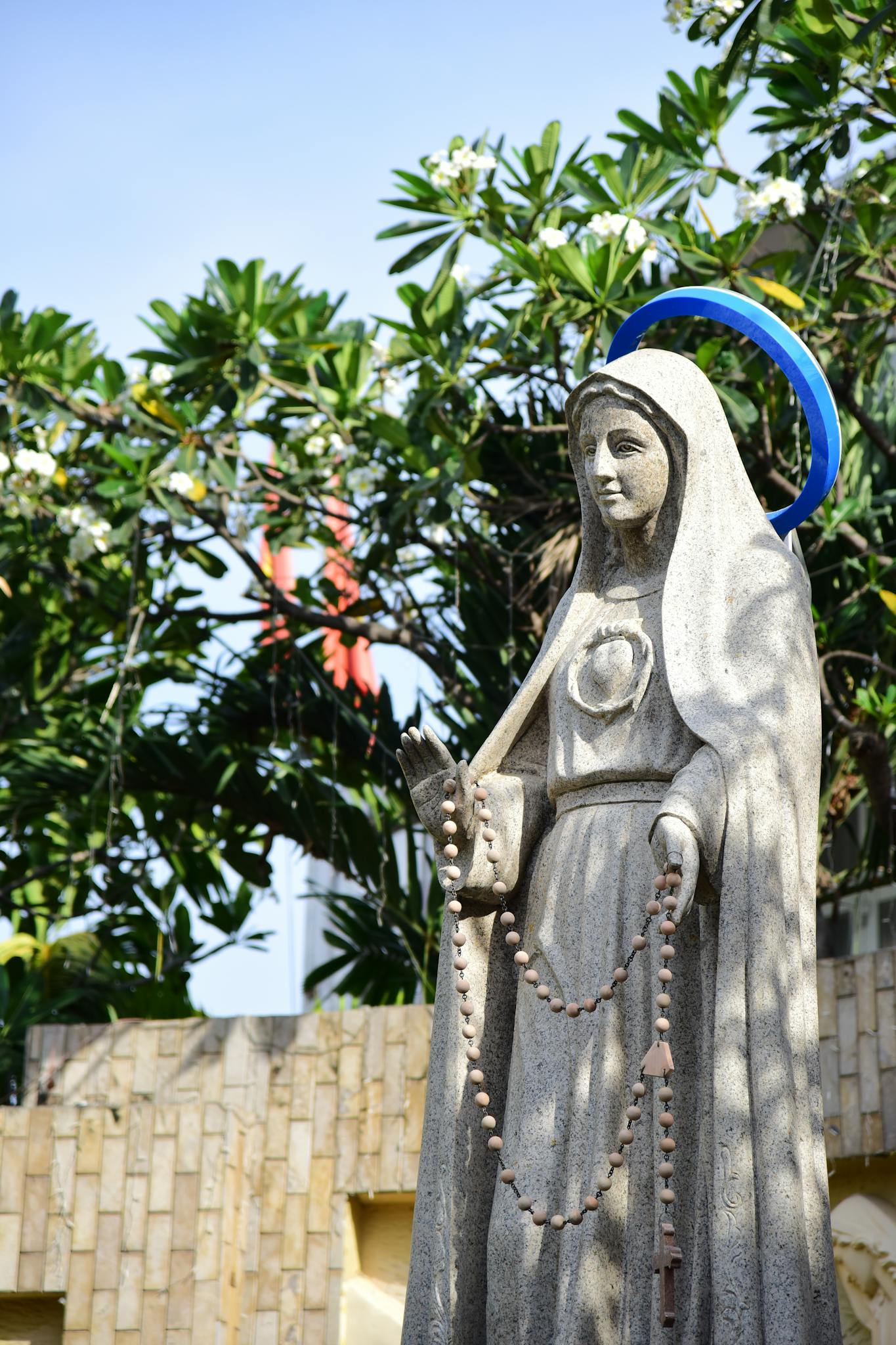
Who Was Saint Severinus Boëthius?
Saints
A Roman senator and philosopher executed under King Theodoric in 524, author of the Consolation of Philosophy, canonized as a martyr in 1883.
Saint Severinus Boethius was a Roman senator and philosopher executed at Pavia in 524 on the order of the Ostrogothic king Theodoric, after writing the Consolation of Philosophy in prison awaiting death. Long venerated locally as a martyr, his cultus was formally confirmed with canonization in 1883.

Quick Facts
- Died: 524 (Pavia, Italy), approximate age 47
- Venerated as: Layman, Roman senator, and martyr
- Canonized: 1883
Who Was Saint Severinus Boëthius?
Saint Severinus Boethius was a Roman senator, philosopher, and one of the last great scholars of late antiquity, remembered in the Church’s memory as a martyr executed on the order of the Ostrogothic king Theodoric, and remembered far beyond it as the author of the immensely influential Consolation of Philosophy, written in prison awaiting his death.
Historical Setting
Boethius served as a high official under Theodoric, the Arian Ostrogothic king who ruled Italy after the fall of the Western Roman Empire, and was arrested in 523 on charges of treasonous correspondence with the Byzantine imperial court, charges that Boethius maintained were false and politically motivated. While imprisoned at Pavia awaiting execution, he composed the Consolation of Philosophy, a work blending classical philosophy and Christian faith that became one of the most widely read books of the entire Middle Ages.
Why the Church Remembers Saint Severinus Boëthius
Boethius is remembered both as a martyr, venerated locally at Pavia where his relics rest in the Basilica of San Pietro in Ciel d’Oro, and as an intellectual bridge between the classical and medieval worlds, whose final work shaped centuries of later Christian and philosophical reflection on providence, suffering, and the true nature of happiness.
Canonization and Feast Day
Boethius’s cultus as a martyr, long observed locally at Pavia, received formal canonization in 1883, confirming a devotion that had already persisted for many centuries in the city that held his relics.
What Catholics Can Learn Today
Boethius’s Consolation of Philosophy, written by a man awaiting unjust execution, remains a powerful witness that faith and reason can hold steady even when a person’s own government has turned against them unjustly. His example speaks to anyone facing injustice, offering the reminder that inner freedom cannot be taken away even when outer freedom is.
A Prayer to Saint Severinus Boëthius
Saint Severinus Boethius, who found consolation in wisdom and faith even in the face of unjust death, be near to all who suffer injustice today. Help us seek the same clarity of mind and depth of trust in God that carried you through your final trial.
Sources
- Roman Martyrology
- Butler’s Lives of the Saints
- New Advent Catholic Encyclopedia
- Boethius, The Consolation of Philosophy
- Acta Sanctorum
- New Advent Catholic Encyclopedia