
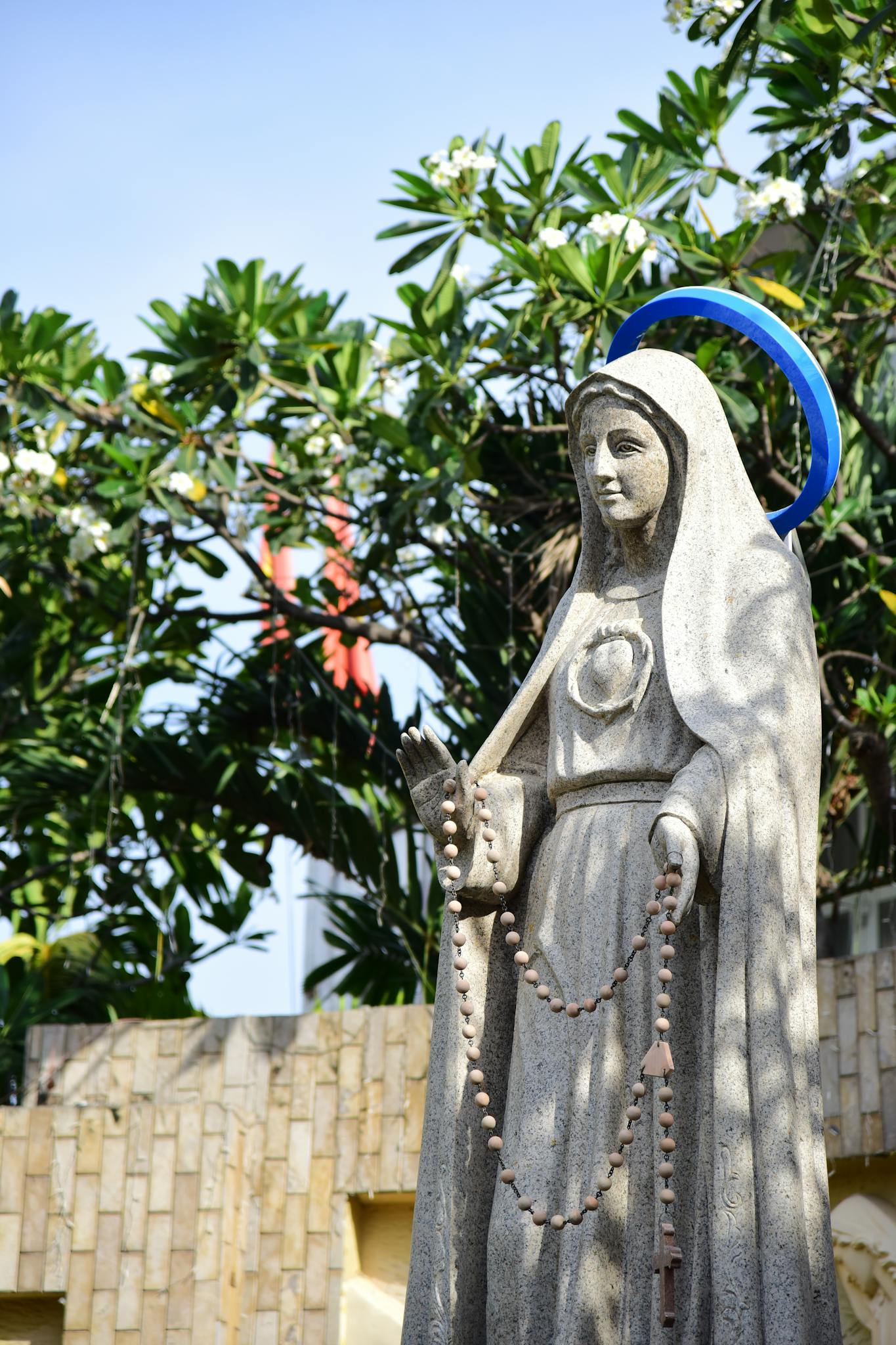
Who Was Saint Rusticule d’Arles?
Saints
A seventh-century abbess of Arles who governed her community for decades through political upheaval, remembered for steady leadership rather than dramatic incident.
Saint Rusticule of Arles led the great monastery of Saint-Jean at Arles, in southern Gaul, as abbess for much of the seventh century, dying in 632 at about eighty-one years old. She guided her nuns through a turbulent period of Frankish politics, including at least one attempt to depose her on false charges, and is remembered chiefly for the long, faithful governance of a religious house that had already become one of the most important women’s monasteries in Merovingian France.

Quick Facts
- Born: France, 6th century
- Died: 632, Arles, France (age approx. 81)
- Venerated as: Abbess of Arles
Who Was Saint Rusticule d’Arles?
Rusticule of Arles governed the celebrated convent of Saint-Jean in Arles, a house founded a century earlier by Saint Caesaria under the rule of her brother Saint Caesarius of Arles. The surviving record identifies Rusticule simply and firmly as its abbess, presiding over the community until her death in 632 at roughly eighty-one years of age. That long tenure alone marks her as a figure of real stability in an era when religious houses, like the kingdoms around them, were often unsettled.
Historical Setting
Sixth- and seventh-century Provence sat within the Merovingian Frankish world, a landscape of shifting royal alliances, contested successions, and a Church still consolidating the monastic rule that Caesarius of Arles had given to women’s communities a century before. Convents of the size and reputation of Saint-Jean were not insulated from that politics; abbesses of such houses could become targets of court intrigue precisely because their communities held land, influence, and royal favor.
Why the Church Remembers Saint Rusticule d’Arles
Rusticule is remembered above all for endurance in office: decades of governing a large religious community according to a demanding rule, holding it together through the pressures of Frankish court politics. Later tradition recounts that she was falsely accused before the king and cleared of the charge, an episode that, true in its details or not, reflects the kind of exposure abbesses of major houses faced. What the Church has preserved is the steadiness of her leadership rather than any single dramatic act.
Canonization and Feast Day
No formal canonisation process is recorded for Saint Rusticule of Arles. Her veneration rests on ancient and continuous local cult at Arles, received into the Church’s liturgical memory in the manner typical of early medieval abbesses long before modern canonisation procedures existed.
What Catholics Can Learn Today
Rusticule’s long, largely unspectacular governance of one community is its own kind of witness. Not every vocation is marked by martyrdom or miracle; many are marked by decades of patient, faithful responsibility for the people entrusted to one’s care. Her example speaks to anyone in ordinary, sustained leadership — parents, pastors, teachers — who serve the same community year after year without dramatic recognition.
A Prayer to Saint Rusticule d’Arles
Saint Rusticule of Arles, you led your sisters with patience through decades of change and trial. Obtain for those who bear long responsibility for others the endurance to serve faithfully, without seeking praise, until the end of their days. Amen.
Sources
- Butler’s Lives of the Saints
- Roman Martyrology
- New Advent Catholic Encyclopedia