
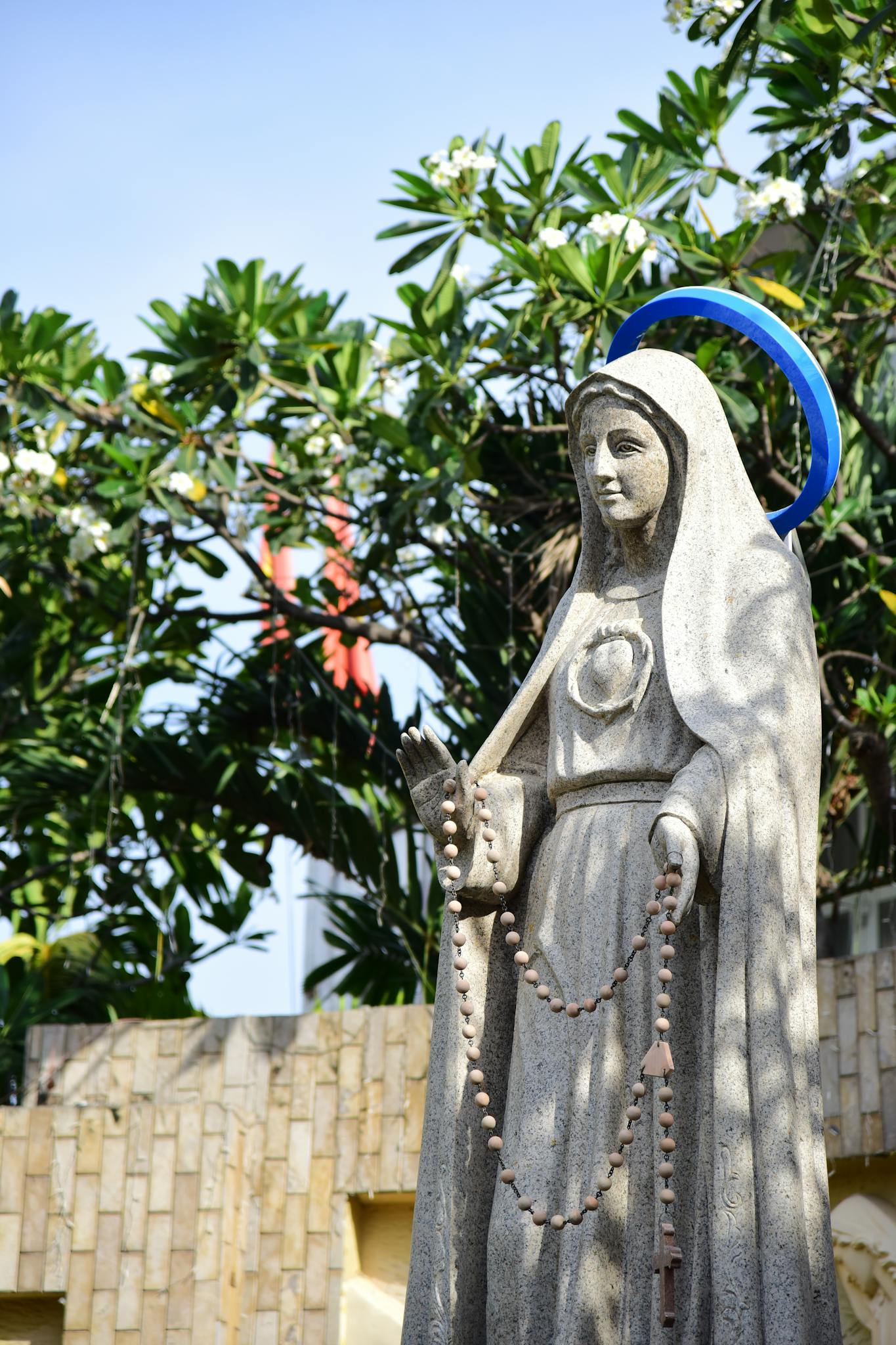
Who Was Saint Romola?
Saints
A sixth-century hermitess of Italy remembered chiefly as a disciple of Saint Irundine, with little else preserved of her story.
Saint Romola was a hermitess who lived in Italy during the sixth century, a period of great upheaval as the peninsula passed through Ostrogothic and then Byzantine rule amid near-constant warfare. She is remembered as a disciple of Saint Irundine, suggesting she belonged to a small circle of women pursuing consecrated solitary life under the guidance of another holy woman. No further detail about her origins, her specific region, or the circumstances of her death has survived in the controlled historical record.
Quick Facts
- Died: VI century, Italy
- Role: Hermitess
- Venerated as: Disciple of Saint Irundine
Who Was Saint Romola?
Saint Romola is recorded as a hermitess active in Italy sometime during the sixth century. The one relationship the register preserves is her connection to Saint Irundine, described as her spiritual guide or teacher, which places Romola within a small community or lineage of consecrated women practicing solitary religious life. Nothing further about her family, her specific town, or the precise years of her life has come down through the surviving sources.
Historical Setting
Sixth-century Italy was marked by the Gothic Wars between the Byzantine Empire and Ostrogothic kingdom, a conflict that devastated cities and countryside alike and drove many who sought a stable religious life toward remote or rural solitude. Women’s eremitical and proto-monastic communities, often gathered informally around a respected elder like Irundine, were one way the faith persisted through this turbulent period, even when few written records of individual members survived the disorder of the age.
Why the Church Remembers Saint Romola
Romola is honored as one of these early consecrated women, remembered specifically for her fidelity as a disciple within a tradition of female asceticism that predates the more formal convents of later centuries. Her memory, though sparse, preserves evidence that structured spiritual formation among women religious existed even in this chaotic period of Italian history.
Canonization and Feast Day
No formal canonization process is recorded for Saint Romola, entirely typical for a figure from the sixth century. Her veneration rests on ancient, immemorial local cult, received into the Church’s liturgical memory long before any centralized process of canonization existed.
What Catholics Can Learn Today
Romola’s identity as a disciple, defined in the record by her relationship to a teacher rather than by any achievement of her own, is a reminder that spiritual growth often depends on humble discipleship. Her example encourages believers to value formation under wiser guides rather than seeking to stand out on their own.
A Prayer to Saint Romola
Saint Romola, faithful disciple and hermitess, you learned the ways of holiness from one wiser than yourself and kept to them in quiet solitude. Help us to welcome guidance humbly and to persevere faithfully in whatever path God gives us. Amen.
Sources
- Roman Martyrology
- General historical background on sixth-century Italian monasticism