
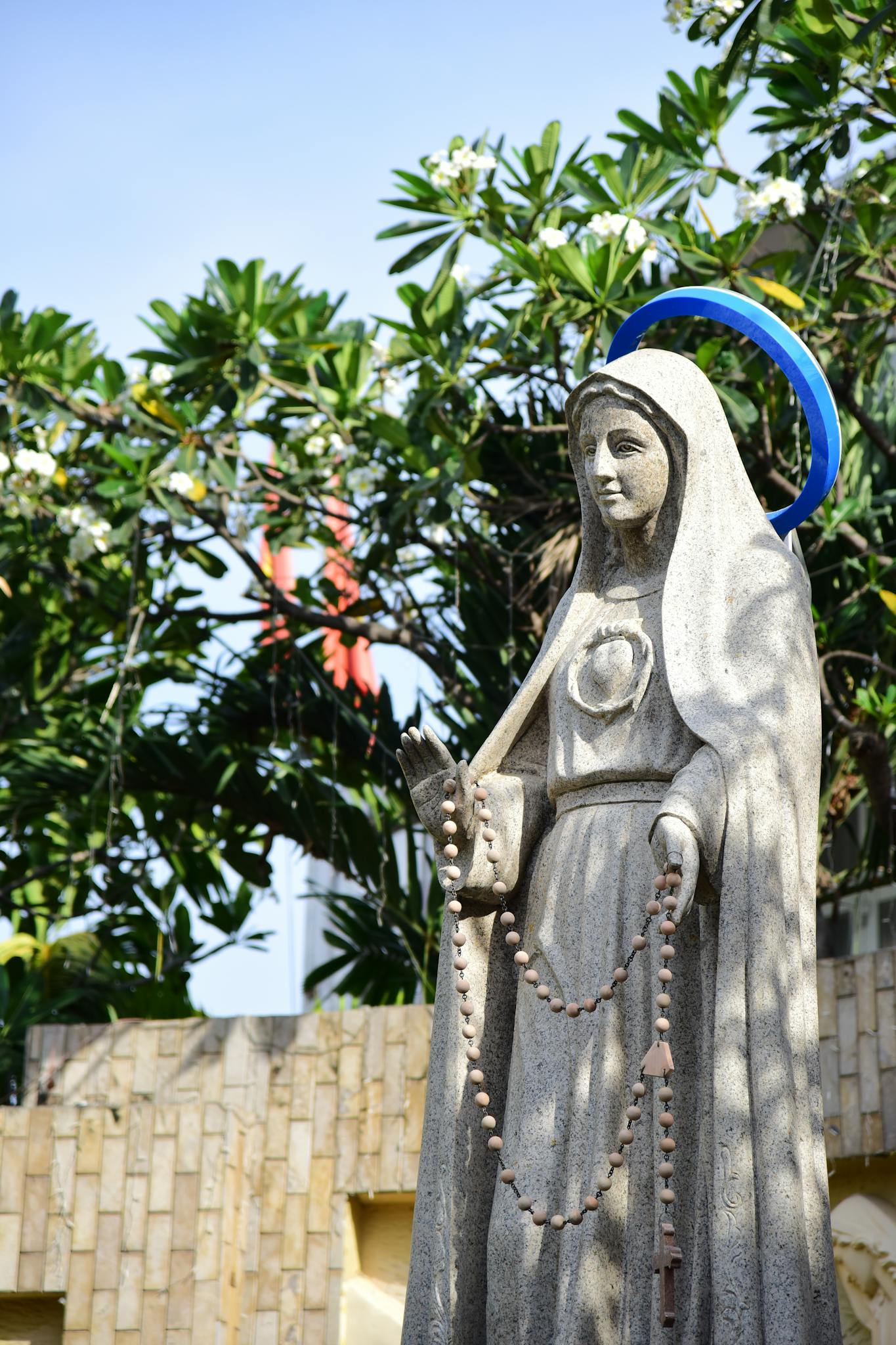
Saint Philibert de Noirmoutier
Saints
A seventh-century Frankish nobleman turned abbot who founded the great monasteries of Jumièges in Normandy and Noirmoutier off the Atlantic coast.
Saint Philibert de Noirmoutier was a Frankish nobleman of the seventh century who, after a period at the royal Merovingian court, embraced monastic life and became one of the great monastic founders of his era. Around 654 he established the Abbey of Jumièges on the Seine in Normandy, which grew rapidly under his direction into a major center of prayer, learning, and agricultural development, drawing monks trained in the reformed Columbanian monastic tradition. Later in life, following political difficulties connected to his support for a deposed bishop, he was forced from Jumièges and eventually founded a new monastery on the island of Noirmoutier off the Atlantic coast, in the region then known as Herio, where he introduced significant agricultural improvements, including the reclamation of marshland through dikes, alongside the monastic life he established there. He died at Noirmoutier around 684, remembered as a builder of communities and lands alike.
Quick Facts
- Born: c. 616–617, near Eauze, Gascony, France
- Died: August 20, 684, at Noirmoutier, France (age approx. 67)
- Feast Day: August 20
- Recognition: predates the formal canonization process; venerated since the early medieval period through ancient local and monastic cultus
- Patron of: farmers and the abbeys of Jumièges and Noirmoutier
Who Was Saint Philibert de Noirmoutier?
Philibert was born around 616 or 617 near Eauze in Gascony, the son of a bishop, and spent part of his youth at the Merovingian royal court before turning decisively toward monastic life. He entered the monastery of Rebais and later, around 654, founded the Abbey of Jumièges on the banks of the Seine in Normandy, drawing on the disciplined observance associated with the Irish missionary Columbanus, whose reformed monasticism was reshaping religious life across Francia. Under Philibert’s direction Jumièges grew quickly into a large and influential community, combining prayer and learning with substantial agricultural development of the surrounding land. His outspoken support for Bishop Leodegar of Autun in a dispute with the powerful mayor of the palace, Ebroin, brought him into serious political trouble, and he was driven from Jumièges and imprisoned for a time. On his release he did not return to his former abbey but instead founded a new monastery on the remote island of Noirmoutier off the Atlantic coast, in a district then called Herio, where he oversaw the reclamation of marshy coastal land through dikes and channels, creating productive farmland alongside the monastic community. He died at Noirmoutier around 684.
Historical Setting
Philibert’s life belongs to the Merovingian era of early medieval Francia, a period in which powerful noble families and royal courts were closely intertwined with the Church, and the founding of monasteries served simultaneously as an act of piety and a means of extending both spiritual influence and practical control over land and resources. Monasticism in seventh-century Gaul was being reshaped by the influence of the Irish missionary Columbanus and his stricter rule, which stressed asceticism and disciplined community life, and many of the era’s monastic founders, Philibert among them, drew on this reforming energy while also navigating the volatile politics of competing Frankish kingdoms and their rival aristocratic factions.
Why the Church Venerates Saint Philibert de Noirmoutier
Philibert is venerated as one of the notable monastic founders of early medieval Francia, remembered both for the spiritual life he established at Jumièges and Noirmoutier and for his practical, almost engineering-minded contributions to those communities, particularly the reclamation of coastal marshland for cultivation at Noirmoutier. His willingness to accept exile and hardship rather than abandon his principles in the political disputes of his day is also part of his enduring reputation for integrity.
Canonization and Feast Day
Like other saints of the early medieval period, Philibert de Noirmoutier predates the Church’s formal canonization process, which developed gradually over subsequent centuries and became centralized in Rome only around the tenth and eleventh centuries. His recognition as a saint rests instead on the ancient and continuous local cultus that grew up at Jumièges, Noirmoutier, and the other communities associated with his life, later reinforced by the wide veneration of his relics across northern and western France during the Middle Ages. His feast is kept on August 20, traditionally regarded as the date of his death around 684.
What Catholics Can Learn Today
Philibert’s readiness to begin again after losing his first monastery to political misfortune, founding a second flourishing community from far more difficult circumstances on a remote coastal island, offers a lesson in resilience for anyone who has seen a cherished project taken from them through no fault of their own. His example suggests that setbacks, even severe ones, need not be the end of a vocation but can become the occasion for a different, equally fruitful, chapter of service.
A Prayer to Saint Philibert de Noirmoutier
Saint Philibert de Noirmoutier, founder and builder, who turned exile and loss into new communities of prayer and labor, pray for us when our own plans are taken from us. Give us your resilience to begin again, your practical wisdom to make good use of difficult circumstances, and your steady trust that God can bring forth abundance even from the hardest ground. Amen.
Sources
- Catholic Encyclopedia (New Advent)
- The Roman Martyrology
- Butler’s Lives of the Saints
- Encyclopaedia Britannica