
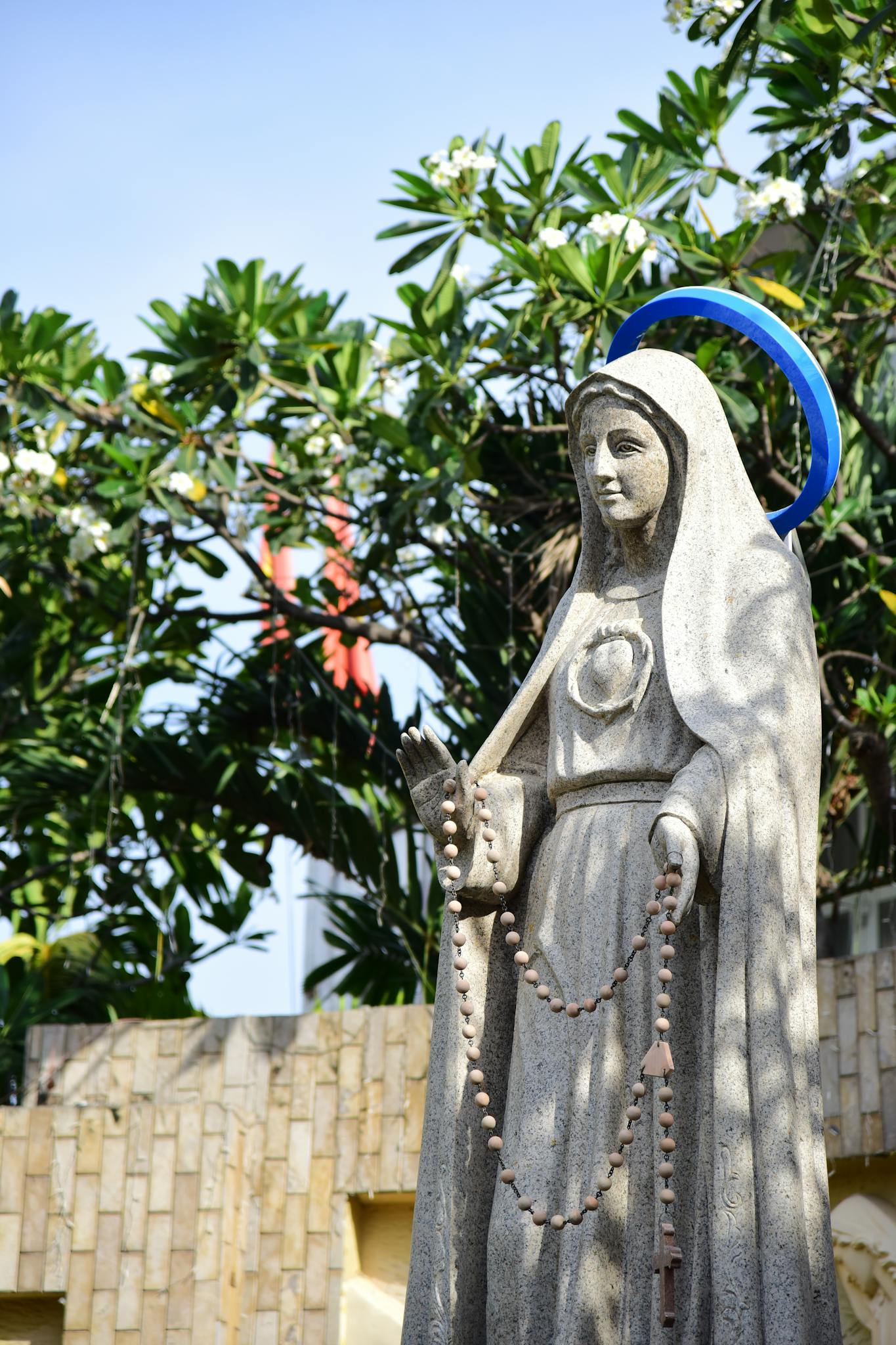
Who Was Saint Osgyth?
Saints
A Mercian princess turned Benedictine abbess, remembered in Essex folklore for founding a monastery on the site of her martyrdom.
Saint Osgyth was an English abbess of the late seventh century, traditionally identified as a daughter of the Mercian royal house descended from King Penda, who founded and led a community of Benedictine nuns, most likely at what became Chich, later renamed St Osyth, in Essex. Her death is dated only approximately to around the year 700. Medieval legend, layered heavily onto a thin historical core, credits her with a violent death at the hands of raiders, though this cannot be verified with certainty.
Quick Facts
- Died: c. 700 (date uncertain), England
- Venerated as: Abbess, daughter of King Penda of Mercia
Who Was Saint Osgyth?
Osgyth is remembered as an abbess of the Order of Saint Benedict active in England around the year 700, and later tradition places her within the powerful Mercian royal family as a daughter of King Penda. She is associated with the founding of a religious house in Essex, a settlement that would later take her own name, St Osyth. Much of the detail attached to her life comes from medieval hagiography written centuries after her death, and only the core facts of her royal connection, her abbacy, and her approximate death date can be treated as historically secure.
Historical Setting
Seventh-century England was a patchwork of newly Christianized Anglo-Saxon kingdoms, and royal women played an outsized role in founding and governing the double monasteries and convents that anchored the young English Church. Mercia under Penda and his successors was among the most powerful of these kingdoms, and its princesses, much like their counterparts in Northumbria and Kent, frequently took the veil and used royal patronage to establish religious houses. Osgyth’s career as a royal-born abbess fits squarely within this well-attested pattern of seventh-century English monastic founding.
Why the Church Remembers Saint Osgyth
The Church remembers Osgyth chiefly as a founding abbess whose community in Essex endured for centuries after her death and eventually gave its name, St Osyth, to the town that grew around it. Later medieval accounts added a martyrdom narrative to her story, though it is her governance of a religious community, rather than any single dramatic event, that forms the historically grounded basis of her cult. Her memory illustrates how thoroughly early English sanctity was bound up with royal patronage of monastic life.
Canonization and Feast Day
Anglo-Saxon abbesses of Osgyth’s era were recognized as saints through the ancient and immemorial cult that grew around their communities, not through any Roman procedure. Her veneration is centered on the Essex settlement that bore her name, received into the Church’s calendar through unbroken liturgical memory rather than any papal act.
What Catholics Can Learn Today
Osgyth’s story, however overlaid with later legend, points to a genuine historical pattern: royal privilege set aside for a life given wholly to prayer and community. Catholics today can take from her the example of using whatever position or advantage one is given, however great, in service of something greater than oneself.
A Prayer to Saint Osgyth
Saint Osgyth, abbess who set aside royal privilege for a life of prayer, intercede for those called to give up comfort for the sake of Christ. Help us use whatever gifts we have been given for the good of others rather than ourselves. Amen.
Sources
- Roman Martyrology
- Butler’s Lives of the Saints
- Britannica, entry on Saint Osyth