
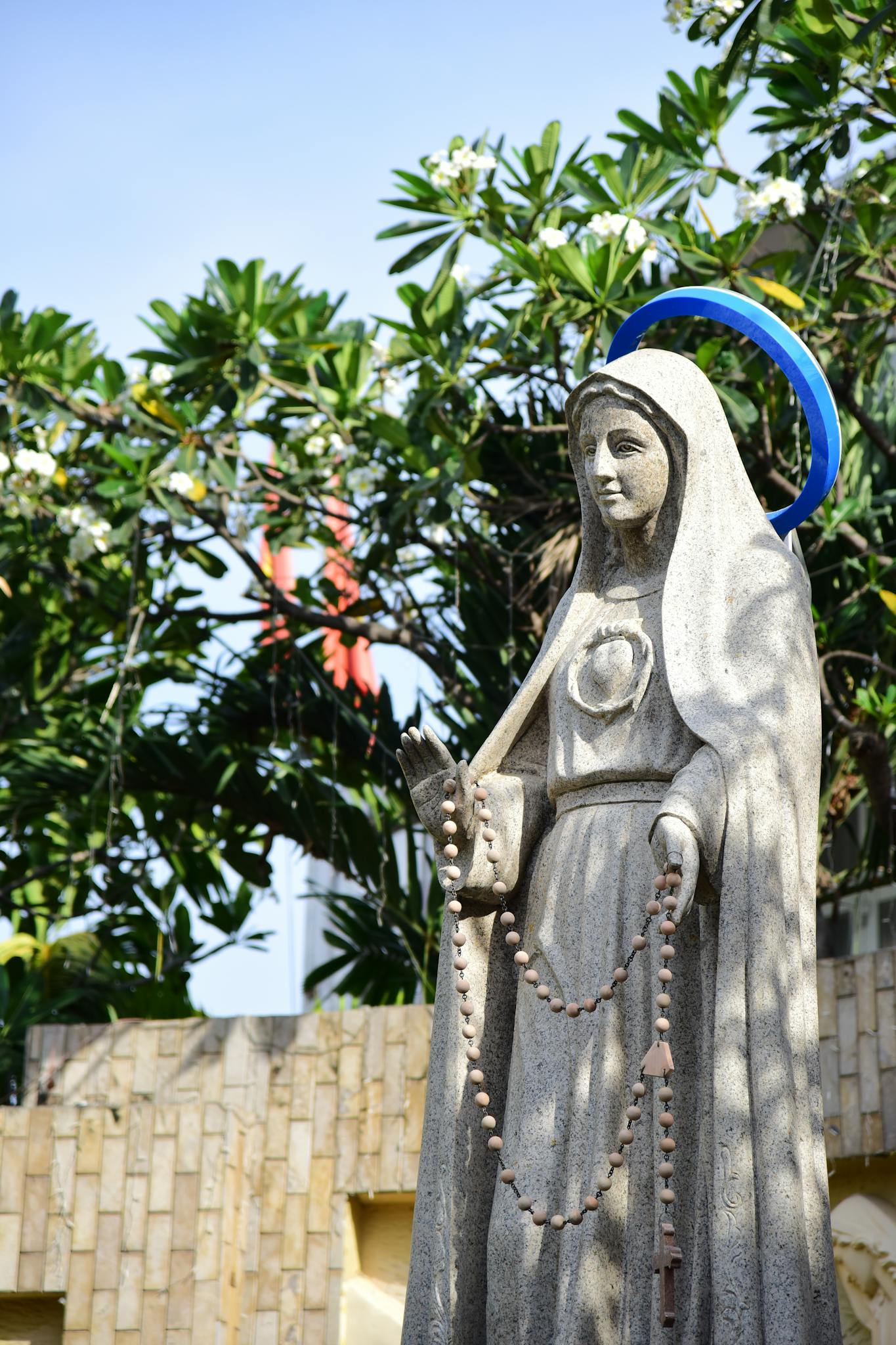
Who Was Saint Mitre?
Saints
A Greek-born slave in fifth-century Provence, remembered for humility and charity despite his lowly station, and honored as patron of Aix-en-Provence.
Saint Mitre was a layman of Greek origin who lived as a slave and later as a devout Christian servant in Aix-en-Provence, in southern Gaul, remembered for exceptional humility and charity despite his lowly social status. He died around 466 at about thirty-three years old. His legend, elaborated over later centuries, emphasizes the holiness he achieved from a position affording him no worldly power or protection, and he is honored today as one of the patrons of Aix-en-Provence, with relics kept in its cathedral.

Quick Facts
- Died: 466, at Aix-en-Provence, France, aged about 33
- Venerated as: Lay Catholic witness, patron of Aix-en-Provence
Who Was Saint Mitre?
Mitre was a layman of Greek origin who lived as a slave and later as a devout Christian servant in Aix-en-Provence, in southern Gaul, remembered for his exceptional humility, patience, and charity toward others despite his lowly social status, and honored today as one of the patrons of the city.
Historical Setting
Late Roman Provence in the fifth century, amid the empire’s political disintegration in the West, was home to a mixed population of enslaved and free people, and the surviving legend of Mitre, elaborated in later centuries, emphasizes the holiness he achieved despite, or perhaps because of, a station in life that afforded him no worldly power or protection.
Why the Church Remembers Saint Mitre
The Church remembers Mitre for a life of humble service and quiet virtue that left such a deep impression on the people of Aix-en-Provence that his memory endured and grew into lasting civic veneration, honored still today in the city’s cathedral, which holds relics attributed to him.
Canonization and Feast Day
No formal canonization process is recorded for Mitre, as expected for a fifth-century lay witness; his veneration is ancient and continuous, deeply embedded in the religious life of Aix-en-Provence.
What Catholics Can Learn Today
Mitre’s holiness, achieved from the lowest social position available in his society, is a powerful reminder that sanctity depends on the disposition of the heart before God, not on rank, freedom, or worldly standing.
A Prayer to Saint Mitre
Saint Mitre, who found and lived deep holiness though the world gave you no status or freedom, intercede for those who serve others in humble or overlooked positions today. Help us see, as your city long has, that true greatness lies in charity, not standing. Amen.
Sources
- Roman Martyrology (cited generically for this regional French witness)
- Local hagiographic tradition of Aix-en-Provence, France