
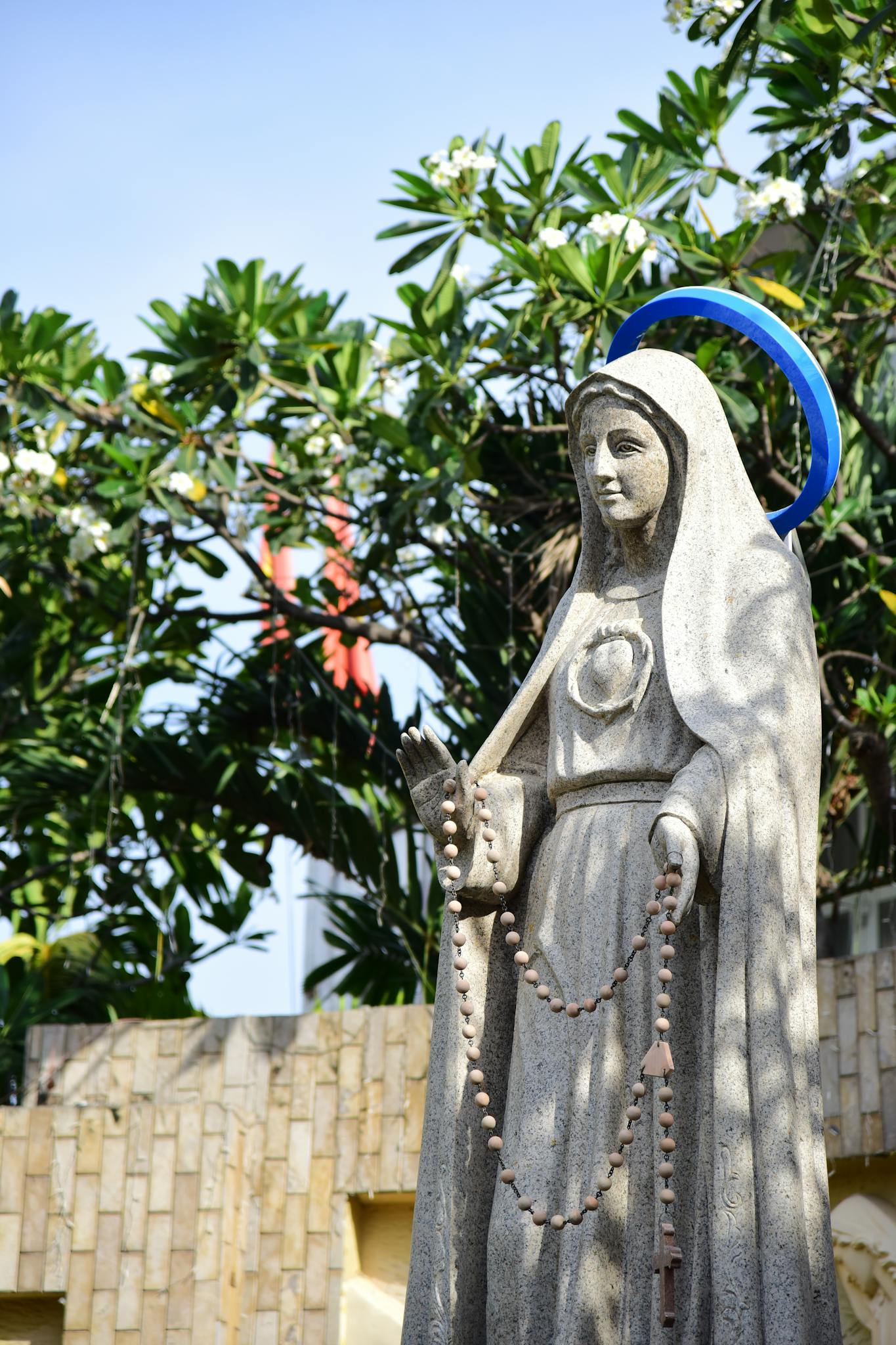
Blessed Martín Cid
Saints

A twelfth-century Spanish monk who left the world of arms to become a Cistercian and found the abbey of Valparaíso in the kingdom of León.
Martín Cid was a nobleman of twelfth-century Castile-León who renounced a career associated, by later tradition, with the warrior class of the Reconquista to embrace the austere Cistercian reform then sweeping across Europe from Burgundy. He entered monastic life during the great wave of Cistercian expansion into Spain that followed Bernard of Clairvaux’s influence on Iberian church reform, and around 1143 he founded the monastery of Santa María de Valparaíso near Zamora, becoming its first abbot. Under his governance the house followed the strict Cistercian observance of manual labor, silence, and communal prayer that distinguished the order from older Benedictine houses. He died on 7 October 1152. Though little narrative detail survives beyond these facts, his memory has been preserved for centuries within Cistercian and Zamoran tradition as a founder-abbot who helped root the new reform in Spanish soil.
Quick Facts
- Born: date and place unrecorded, Kingdom of León, Spain
- Died: 7 October 1152, likely at Valparaíso Abbey, near Zamora, Spain
- Feast Day: not fixed on the universal calendar; commemorated locally near 7 October
- Recognition: venerated since medieval times through longstanding local and Cistercian cultus; no formal universal canonization on record
- Patron of: no formally assigned patronage; honored as a model of Cistercian monastic founding in Castile-León
Who Was Blessed Martín Cid?
Martín Cid belongs to the generation of twelfth-century Spanish nobles and clerics who were swept up in the extraordinary growth of the Cistercian order after Bernard of Clairvaux revitalized Benedictine monasticism at the start of the century. What is reliably recorded of him is spare: he became a Cistercian monk, rose to be abbot, and around 1143 founded the monastery of Santa María de Valparaíso in the countryside near Zamora, in the kingdom of León. As founding abbot he would have overseen the construction of the monastic buildings, the recruitment and formation of a community of monks, and the establishment of the disciplined round of liturgical prayer, silence, and manual labor that defined Cistercian life in deliberate contrast to the more elaborate observance of older Benedictine houses such as Cluny. He governed Valparaíso until his death on 7 October 1152. Later Spanish and Cistercian tradition remembers him as a builder of the reform in Iberian soil, though, as with many monastic founders of this period, few personal details or anecdotes have survived independent of the bare institutional record.
Historical Setting
Martín Cid lived through one of the most consequential periods in Spanish Christian history, when the kingdoms of León and Castile were pushing the frontier of the Reconquista southward while also importing the reformed monasticism taking hold across Western Europe. The Cistercian order, barely a generation old when Valparaíso was founded, offered Spanish kings and nobles a disciplined, agriculturally productive form of monastic life well suited to resettling and cultivating contested or newly secured territory. Monasteries like Valparaíso functioned simultaneously as houses of prayer and as engines of regional development, anchoring Christian settlement, agriculture, and learning in a landscape still being consolidated under Leonese and Castilian rule.
Why the Church Venerates Blessed Martín Cid
Martín Cid is honored not for a single dramatic act but for the patient, foundational work of establishing a house of prayer that would outlast him by centuries. Founding abbots occupy a distinct place in monastic memory: they set the tone, the discipline, and the spiritual character that a community carries forward long after its founder’s death, and Valparaíso’s continued existence as a center of Cistercian life in the Zamora region was seen by later generations as fruit of his governance. His veneration reflects the Church’s broader esteem for those who gave up positions of worldly standing to embrace ascetic community life and, in doing so, helped transplant a major reform movement into a new region.
Canonization and Feast Day
Martín Cid died long before the modern canonization process, with its formal stages of beatification and canonization decreed by a pope on a specific date, had been codified by the Holy See. Like many medieval monastic founders, his cultus appears to rest on longstanding local and Cistercian veneration rather than on a documented formal process, and readers should treat any claim of a specific canonization ceremony for him with caution. His memory is kept chiefly within Cistercian tradition and in the vicinity of Zamora, generally associated with his date of death, 7 October, though this is not a fixed feast on the universal Roman calendar.
What Catholics Can Learn Today
Martín Cid’s story, spare as it is, offers a quiet lesson about vocations that bear fruit mostly in hindsight. He is not remembered for eloquence or drama but for the unglamorous, sustained labor of establishing a community that would pray, work, and endure long after he was gone. In an age preoccupied with visible, immediate achievement, his life invites Catholics to consider that some of the most enduring contributions to the life of the Church are made by people whose names survive chiefly attached to the institutions they quietly built and handed on to others.
A Prayer to Blessed Martín Cid
Blessed Martín Cid, who set aside the honors of the world to labor in silence and prayer, and who gave the Church a house where God alone was sought, obtain for us the grace to build well what we may never see finished. Teach us patience in small and hidden labors, faithfulness in daily discipline, and trust that God completes what we can only begin. Amen.
Sources
- Encyclopaedia Britannica
- the Order of Cistercians’ historical records on Spanish foundations
- Diocesan and regional historical accounts of the Zamora area monasteries