
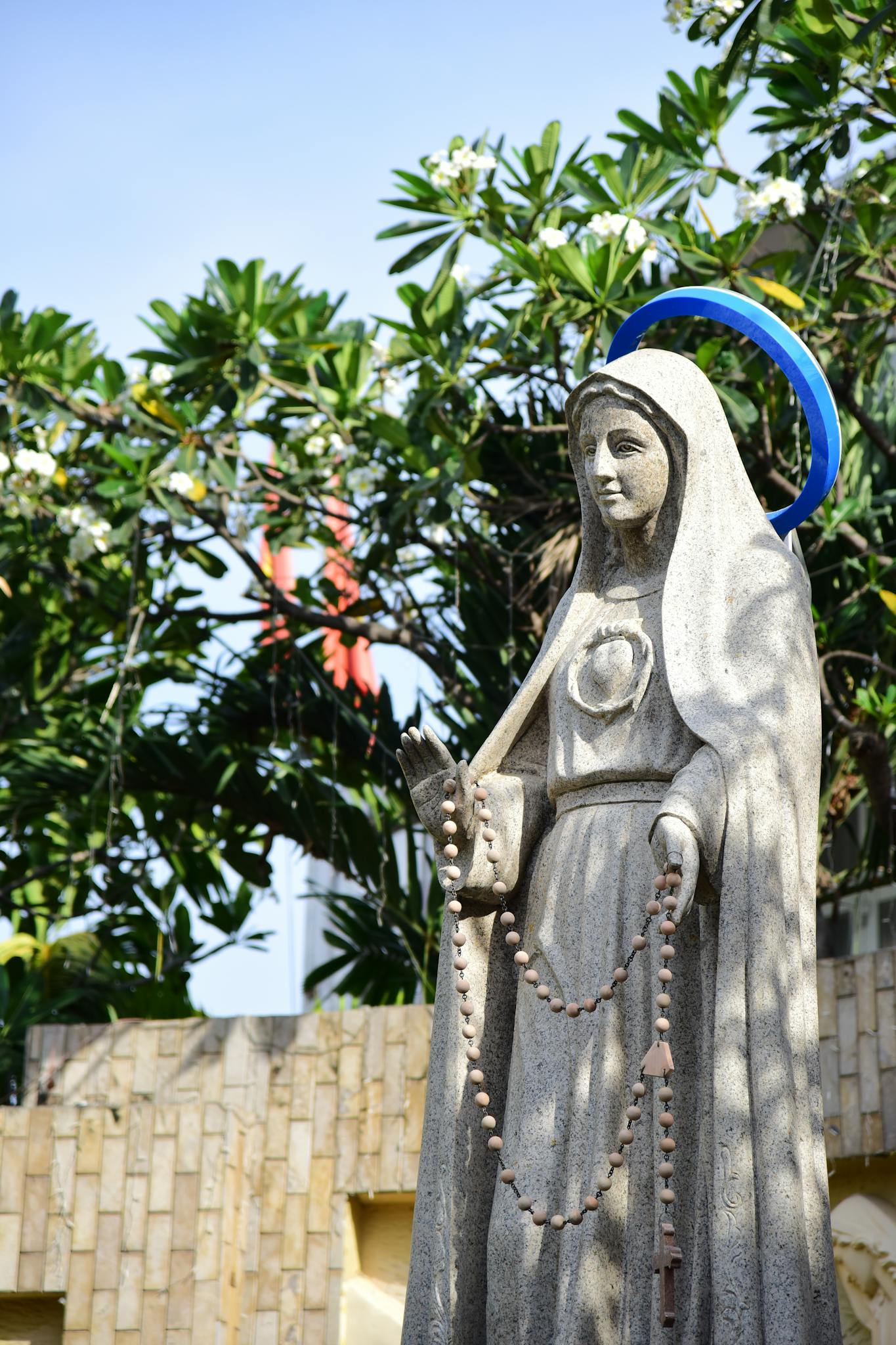
Saint María Micaela del Santísimo Sacramento
Saints

A Spanish noblewoman who abandoned court life to rescue and rehabilitate women in desperate circumstances, dying while nursing cholera victims in Valencia.
María Micaela del Santísimo Sacramento, born Micaela Desmaisières on January 1, 1809, in Madrid, came from a family with ties to the Spanish aristocracy and the French nobility. Moved by encounters with women trapped in prostitution and extreme poverty, she dedicated her life and considerable personal resources to their rescue and rehabilitation, founding the Congregation of the Adoratrices, Handmaids of the Blessed Sacrament and of Charity, formally established on April 21, 1845. The congregation combined intense eucharistic devotion, perpetual adoration of the Blessed Sacrament, with a demanding, practical apostolate of sheltering, educating, and reintegrating women whom society had largely abandoned. She led the growing institute for two decades, establishing houses across Spain, before traveling to Valencia in 1865 to assist during a severe cholera epidemic. She contracted the disease while personally nursing the sick and died there on August 24, 1865, at the age of fifty-six.
Quick Facts
- Born: January 1, 1809, in Madrid, Spain (as Micaela Desmaisières)
- Died: August 24, 1865, in Valencia, Spain, at age 56, after contracting cholera while nursing the sick
- Founder of the Adoratrices, Handmaids of the Blessed Sacrament and of Charity (April 21, 1845)
- Feast Day: August 24
- Canonized: 1934, by Pope Pius XI (exact ceremony date not confirmed in available sources)
- Patron of: the Adoratrices congregation and women seeking rehabilitation and dignity
Who Was Saint María Micaela del Santísimo Sacramento?
María Micaela del Santísimo Sacramento, born Micaela Desmaisières on January 1, 1809, in Madrid, came from a family with ties to the Spanish aristocracy and the French nobility. Moved by encounters with women trapped in prostitution and extreme poverty, she dedicated her life and considerable personal resources to their rescue and rehabilitation, founding the Congregation of the Adoratrices, Handmaids of the Blessed Sacrament and of Charity, formally established on April 21, 1845. The congregation combined intense eucharistic devotion, perpetual adoration of the Blessed Sacrament, with a demanding, practical apostolate of sheltering, educating, and reintegrating women whom society had largely abandoned. She led the growing institute for two decades, establishing houses across Spain, before traveling to Valencia in 1865 to assist during a severe cholera epidemic. She contracted the disease while personally nursing the sick and died there on August 24, 1865, at the age of fifty-six.
Historical Setting
Desmaisières lived through decades of political instability in nineteenth-century Spain, marked by civil wars, shifting constitutions, and repeated tension between liberal and traditionalist forces, conditions that left many women, particularly the poor and unmarried, with few legitimate paths to economic survival. Prostitution in this period was widespread and largely unaddressed by either the state or existing charitable structures, which tended to focus on more socially acceptable forms of poverty. Cholera epidemics, meanwhile, swept through Spain repeatedly during the century, including the outbreak that struck Valencia in 1865, overwhelming medical resources and claiming thousands of lives, often among the very populations, the poor, the marginalized, that religious congregations like hers were already committed to serving.
Why the Church Venerates Saint María Micaela del Santísimo Sacramento
The Church venerates María Micaela del Santísimo Sacramento for confronting, directly and without euphemism, one of the most socially stigmatized forms of suffering of her era, choosing to serve women whom respectable society preferred to ignore. Her decision to pair this ministry with intense eucharistic adoration reflected her conviction that reverence for Christ’s real presence should translate directly into reverence for the dignity of the most despised members of society. Her death while nursing cholera victims, a service beyond her congregation’s usual mission but consistent with its spirit of total self-gift, is remembered as the culminating act of a life already defined by sacrificial charity.
Canonization and Feast Day
María Micaela del Santísimo Sacramento was beatified by Pope Pius XI in 1925 and canonized by the same pope in 1934; sources available for this article do not agree on the exact calendar date of the canonization ceremony, so readers seeking that specific detail should confirm it against the Vatican’s official Acta Apostolicae Sedis. Her feast day is celebrated on August 24, the anniversary of her death, and is observed with particular devotion by the Adoratrices congregation she founded.
What Catholics Can Learn Today
Desmaisières’s willingness to leave behind aristocratic privilege to serve women that her own social class often refused to acknowledge challenges Catholics today to examine whom their own charity excludes, whether from stigma, discomfort, or simple inattention. Her final act, contracting a fatal illness while nursing epidemic victims outside her usual ministry, is a reminder that authentic charity does not stay within tidy job descriptions; it responds to whatever suffering is immediately at hand. Her life calls believers to let eucharistic devotion overflow into concrete service to those society is most inclined to overlook.
A Prayer to Saint María Micaela del Santísimo Sacramento
Saint María Micaela del Santísimo Sacramento, who left behind comfort and status to rescue women the world had discarded, teach us to see dignity where others see only shame. You knelt before the Blessed Sacrament and rose to serve the poorest and most despised; help us to let our worship bear fruit in mercy. You gave your life nursing the sick of Valencia; intercede for all who care for the suffering in times of epidemic and crisis. Obtain for us your fearless, sacrificial love. Amen.
Sources
- Vatican.va
- Encyclopaedia Britannica
- the historical archive of the Adoratrices, Esclavas del Santísimo Sacramento y de la Caridad
- the Roman Martyrology