
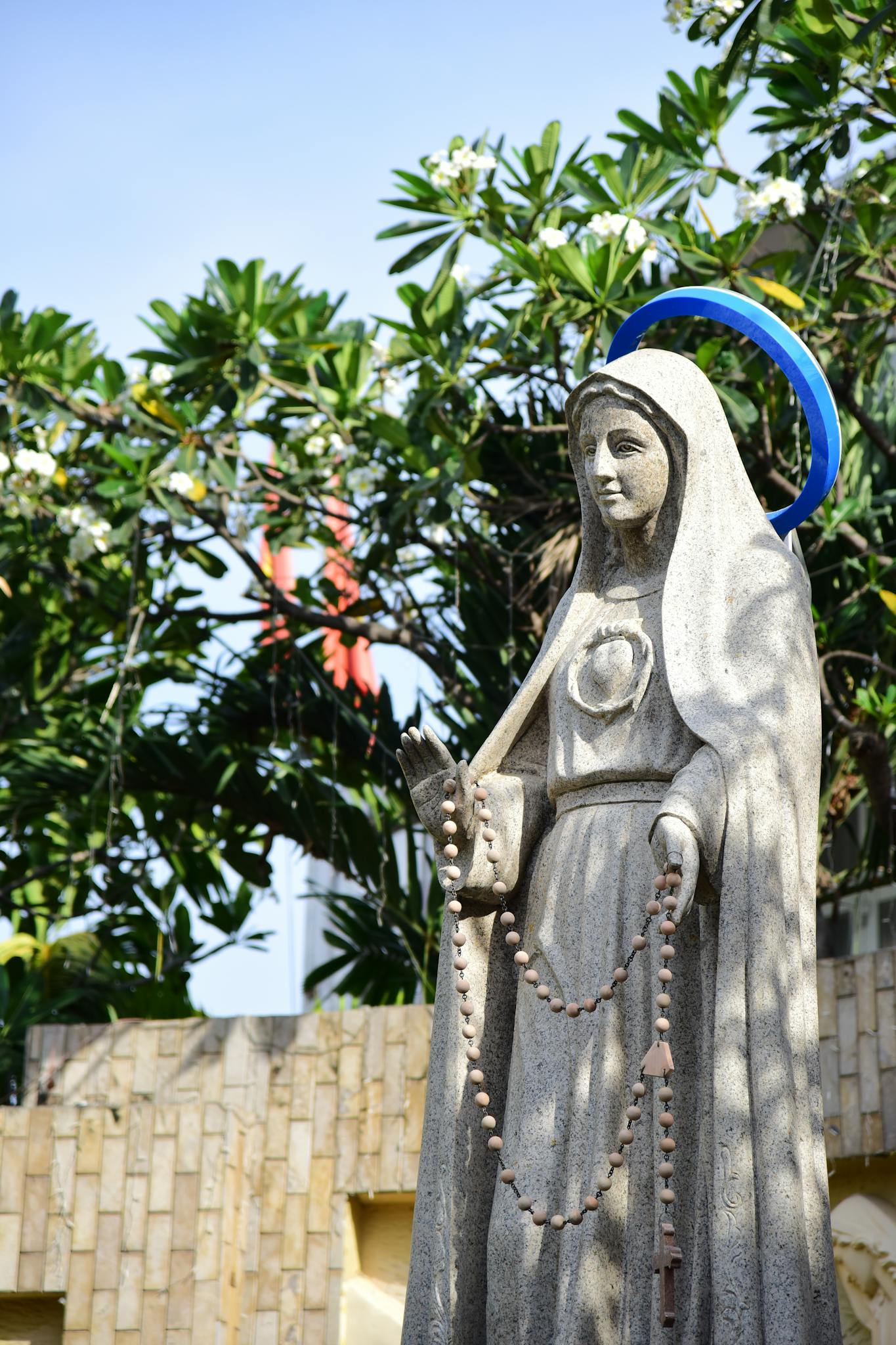
Who Was Saint Marana?
Saints
A fifth-century Syrian hermit who lived enclosed with her companion Cyra, remembered through Theodoret of Cyrrhus’s account of Syrian ascetics.
Saint Marana was a Christian hermit of fifth-century Syria who lived a life of extreme ascetic enclosure alongside her companion, Saint Cyra, near the city of Beroea. She died around the year 450. The two women are known chiefly through the writings of Bishop Theodoret of Cyrrhus, who described the severe, voluntarily enclosed asceticism practiced by Syrian hermits of his region and era. Marana represents the tradition of desert-style solitary life that flourished among both men and women in the Christian East during this period.
Quick Facts
- Country: Syria
- Died: around 450
- Role: Hermit, companion of Saint Cyra
- Venerated as: Ascetic and consecrated witness
Who Was Saint Marana?
Marana was one of a number of Syrian women in the fifth century who embraced a life of severe ascetic withdrawal, living enclosed together with her companion Cyra rather than in a formal monastic community as later understood. Their manner of life, involving prolonged silence, extreme fasting, and voluntary confinement to a small open-air enclosure, was recorded by Theodoret, the bishop of nearby Cyrrhus, who visited and wrote admiringly of ascetics in his region. Marana’s death is placed around the middle of the fifth century, though no more exact date survives.
Historical Setting
Fifth-century Syria was a heartland of the flourishing eastern ascetic movement, producing hermits, stylites, and enclosed solitaries whose extreme practices drew visitors and admirers from across the Christian world, most famously Simeon Stylites atop his pillar not far from where Marana and Cyra lived. Bishop Theodoret’s Religious History, composed to record the lives of these ascetics for posterity, remains the principal reason women like Marana are remembered at all, since such solitaries otherwise left no writings or institutional records of their own.
Why the Church Remembers Saint Marana
She is remembered as a representative of the rigorous women’s asceticism that flourished in the Syrian countryside during the Church’s patristic age, choosing bodily austerity and near-total withdrawal from ordinary life as a path of devotion to Christ. Her example, paired always with that of Cyra, has been preserved specifically because a contemporary bishop thought their manner of life worth recording for later generations.
Canonization and Feast Day
Ancient hermits like Marana were venerated long before any formal canonization process existed in the Church, and her cult rests entirely on the ancient testimony of Theodoret of Cyrrhus together with the immemorial veneration this testimony generated in the Eastern churches.
What Catholics Can Learn Today
Marana’s radical withdrawal from the world can seem remote from ordinary Catholic life today, yet her example points to a truth still relevant: that some Christians are called to bear witness to God’s primacy through extraordinary self-denial, and that the wider Church has always found value in remembering and honoring such vocations even when it cannot imitate them directly.
A Prayer to Saint Marana
Saint Marana, hermit of ancient Syria who gave your life wholly to silence and prayer, intercede for those called to contemplative and ascetic life today, and help all believers find in quiet withdrawal from the world a deeper attentiveness to God. Amen.
Sources
- Theodoret of Cyrrhus, A History of the Monks of Syria (Historia Religiosa)
- Roman Martyrology, entry for Saints Marana and Cyra
- New Advent Catholic Encyclopedia, entry on Syrian asceticism