
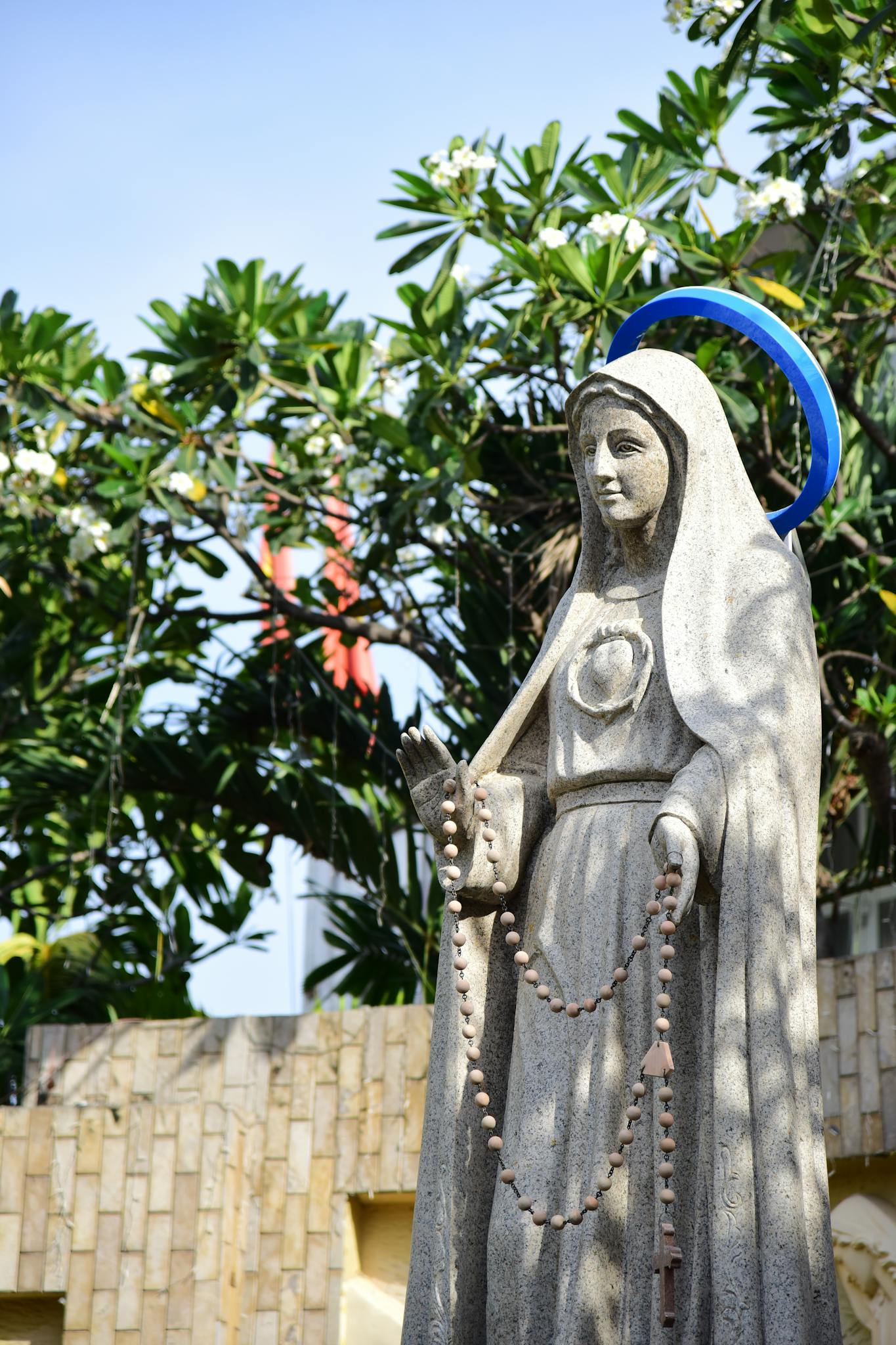
Who Was Saint Lucilla?
Saints
A young Roman laywoman and martyr of the third century, remembered as the daughter of Saint Nemesius and honored in the ancient Roman cult of the martyrs.
Saint Lucilla was a Roman laywoman put to death for her faith around the year 260, identified in the tradition as the daughter of Saint Nemesius. She belongs to the substantial company of Roman martyrs from the mid-third-century persecutions, a period when whole families sometimes shared the fate of the faith they professed together, and her memory has been kept within the city’s ancient martyrial tradition ever since.
Quick Facts
- Died: c. 260, Rome, Italy
- Venerated as: Laywoman and martyr
- Notable connection: Daughter of Saint Nemesius
Who Was Saint Lucilla?
Very little narrative detail survives about Saint Lucilla beyond her identification as a laywoman of Rome and the daughter of Saint Nemesius, and the record of her death by martyrdom around the year 260. The pairing of father and daughter in the record suggests a family swept up together in one of the persecutions that struck the Roman Christian community at mid-century, though the specific circumstances of her arrest and death are not preserved in detail.
Historical Setting
The middle of the third century brought some of the most severe persecutions the Roman Church had yet faced, particularly under the emperors Decius and Valerian, whose edicts required public sacrifice to the state gods and treated refusal as a capital offense. Christian families in Rome during these years lived with the real possibility that fidelity to the faith could cost them everything, and the martyrologies of the period preserve many names, like Lucilla’s, that survive chiefly as records of that cost rather than as full biographies.
Why the Church Remembers Saint Lucilla
The Church remembers Saint Lucilla as a witness who, together with her father, chose death over apostasy during a period of active persecution in Rome. Her memory, however thin the surviving detail, stands for the countless lay Christians, many of them young and many of them women, whose fidelity under pressure built the Roman Church’s earliest reputation for constancy.
Canonization and Feast Day
As with the great majority of the early Roman martyrs, no formal canonization process was ever opened for Saint Lucilla, since the practice simply did not exist in the third century. Her cult instead descends from the ancient veneration Rome accorded its own martyrs, preserved through the city’s liturgical calendar and the collective memory the Church calls the communion of saints.
What Catholics Can Learn Today
Saint Lucilla’s story, sparse as it is, speaks to the cost that fidelity sometimes exacts within families, and to the courage of laypeople, not clergy, who held firm under pressure that could have been avoided with a single public gesture. Catholics today can draw from her the reminder that ordinary believers, not only famous figures, have always carried the weight of Christian witness.
A Prayer to Saint Lucilla
Saint Lucilla, who stood firm in faith alongside your own father, pray for families facing pressure to abandon what they believe, and give me the courage to hold to my faith even when it costs me something real. Amen.
Sources
- Roman Martyrology
- Butler’s Lives of the Saints
- New Advent Catholic Encyclopedia