
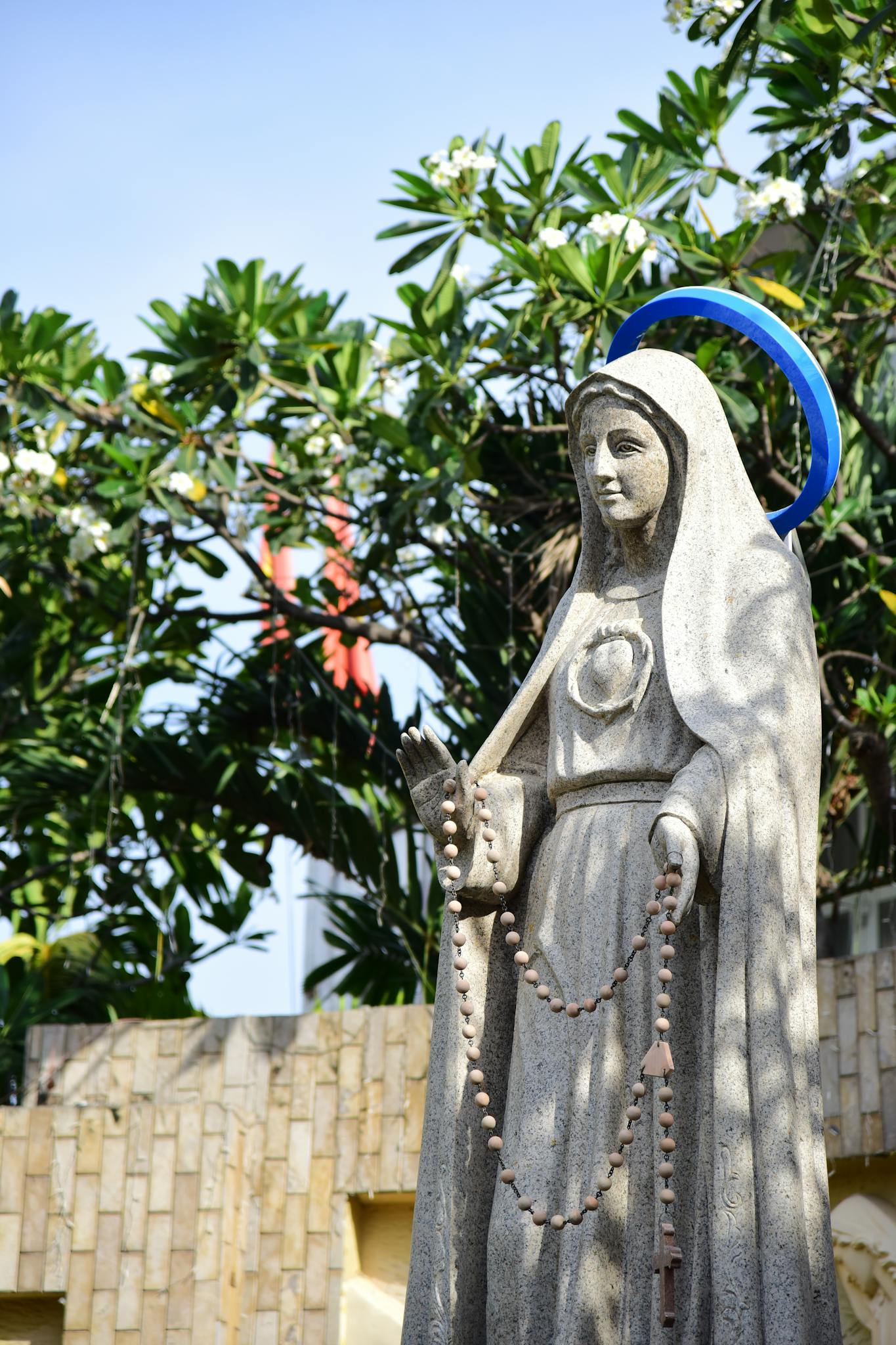
Saint Lucia Filippini
Saints

Orphaned young and mentored by a reforming cardinal, Lucia Filippini became one of Italy’s pioneering foundresses of Catholic education for poor girls and women.
Saint Lucia Filippini (1672-1732) was an Italian foundress who dedicated her life to educating poor girls at a time when formal schooling for women was rare. Orphaned as a child, she came under the guidance of Cardinal Marcantonio Barbarigo, Bishop of Montefiascone, who recognized her intelligence and spiritual maturity and helped her establish schools of Christian doctrine for girls in his diocese. Together they founded what became the Religious Teachers Filippini (Maestre Pie Filippini), a congregation devoted to catechesis, literacy, and practical skills for poor and working-class girls. Her reputation for holiness and effective teaching reached Rome, where Pope Clement XI invited her to open schools in the city itself. She governed her growing congregation with notable humility and personal austerity until her death in 1732 at Montefiascone. She was canonized in 1930 by Pope Pius XI.
Quick Facts
- Born: January 13, 1672, Corneto (present-day Tarquinia), Italy
- Died: March 25, 1732, Montefiascone, Italy, at age 60
- Feast Day: March 25 (also observed on other dates by some local calendars and by her congregation)
- Beatified: June 13, 1926, by Pope Pius XI
- Canonized: June 22, 1930, by Pope Pius XI
- Patron of: Catholic school teachers; the Religious Teachers Filippini
Who Was Saint Lucia Filippini?
Lucia Filippini was born in 1672 in Corneto, a town in the Papal States, and lost both parents while still young. This early loss placed her under the care and formation of Cardinal Marcantonio Barbarigo, the reforming Bishop of Montefiascone, who was working to strengthen religious education throughout his diocese in the spirit of the Council of Trent’s call for better catechesis. Recognizing Lucia’s unusual gifts for teaching and spiritual leadership even as a young woman, Barbarigo entrusted her with responsibility for organizing schools intended to give poor girls both a basic education and solid formation in the Catholic faith. From this collaboration grew the Maestre Pie Filippini, the Religious Teachers Filippini, a community of consecrated women dedicated to teaching that spread from Montefiascone to other towns in the Papal States. Her work drew the attention of Pope Clement XI, who invited her to bring her schools to Rome, where they took root and continued to expand. Lucia governed her growing institute with a combination of practical organizational skill and deep personal humility, living simply and remaining close to the classrooms and communities she served until her death in 1732.
Historical Setting
Lucia Filippini’s life unfolded in the Papal States of the late seventeenth and early eighteenth centuries, a period in which the Catholic Reformation’s emphasis on catechetical instruction was still being translated into practical institutions on the ground, especially for the rural and urban poor. Formal education, where it existed at all for girls of modest means, was often minimal or absent, leaving religious formation to depend heavily on family transmission or occasional preaching. Reform-minded bishops like Cardinal Barbarigo saw structured, dedicated schools — staffed by consecrated women rather than occasional volunteers — as essential to closing this gap, part of a broader wave of new teaching congregations for women that emerged across Italy and France in this era to meet needs the older monastic orders had not been structured to address.
Why the Church Venerates Saint Lucia Filippini
The Church venerates Lucia Filippini as a pioneer of structured Catholic education for girls, someone who transformed an informal charism for teaching into a durable religious institute that has continued her mission for three centuries. She is honored particularly for combining rigorous catechetical instruction with practical skills training, recognizing that poor girls needed both spiritual formation and the tools for a dignified livelihood. Her personal humility — she consistently deferred credit to Cardinal Barbarigo and to God’s providence rather than claiming the achievement as her own — and her willingness to expand her work to Rome at the pope’s own invitation are held up as models of collaborative, obedient, and effective apostolic leadership.
Canonization and Feast Day
Lucia Filippini was beatified on June 13, 1926, and canonized on June 22, 1930, both under Pope Pius XI, formal recognition of a life whose sanctity had already been widely acknowledged through the continued flourishing of the teaching congregation she helped found. Her feast is generally kept on March 25, the anniversary of her death, though the Religious Teachers Filippini and some regional calendars observe her memory on other dates as well.
What Catholics Can Learn Today
Lucia Filippini’s life speaks directly to the value the Church places on education as a genuine spiritual work, not merely a practical necessity. Her willingness to be formed and guided by a mentor, rather than insisting on going her own way, and her patient, decades-long commitment to unglamorous daily teaching rather than a single dramatic act of heroism, offer a model of sanctity built through consistency and service. For Catholics today involved in teaching, catechesis, or mentoring young people, her example affirms that this steady, often unseen labor is itself a profound form of Christian witness.
A Prayer to Saint Lucia Filippini
Saint Lucia Filippini, faithful teacher of the poor and foundress of schools of faith and dignity, pray for us. Help all who teach the young to do so with patience, humility, and love, trusting that the seeds planted in a classroom can bear fruit for a lifetime. Give us your confidence in God’s providence when our own resources seem small, and inspire in us a lasting love for passing on the faith to those who come after us. Amen.
Sources
- Vatican.va
- EWTN
- the Catholic Encyclopedia (New Advent)
- the Religious Teachers Filippini (Maestre Pie Filippini) congregational history