Who Was Saint Leo I?
Saints
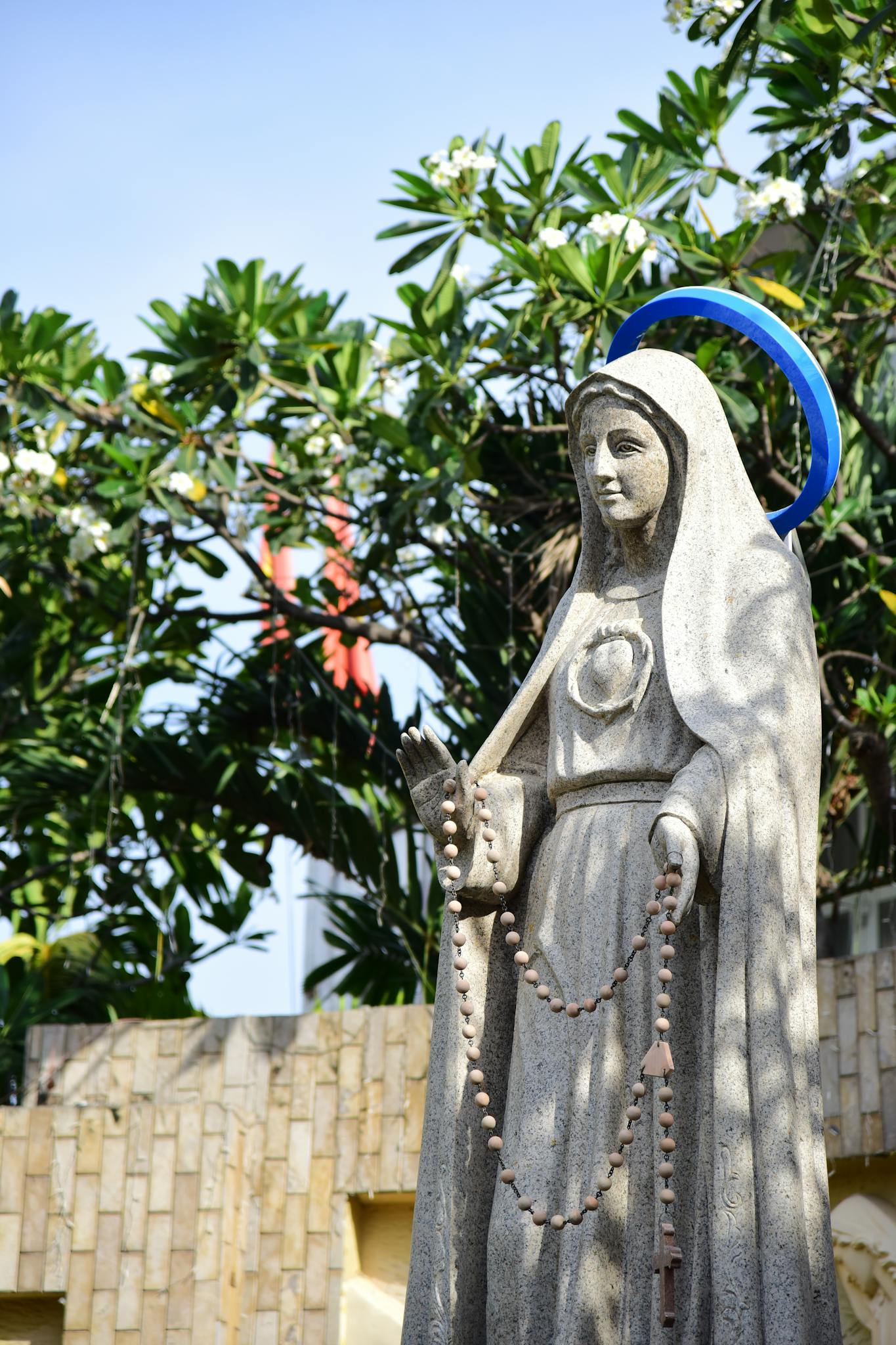
Pope Leo the Great, whose defense of Christian orthodoxy at the Council of Chalcedon and diplomacy with Attila the Hun shaped the fifth-century Church.
Saint Leo I, known to history as Leo the Great, served as Pope from 440 to 461, one of the most consequential pontificates of the early Church. He decisively shaped Christian teaching on the two natures of Christ through his Tome to Flavian, accepted as authoritative at the Council of Chalcedon in 451, and famously met Attila the Hun in 452, persuading him to turn back from an invasion of Italy. He died in Rome in 461 at about sixty years old.
Quick Facts
- Born: Italy, c. 400
- Died: September 10, 461, Rome, Italy (age about 60)
- Feast Day: November 10
- Pontificate: September 29, 440 – September 10, 461
- Venerated as: Pope; Doctor of the Church; one of only two popes called “the Great”
Who Was Saint Leo I?
Leo I became Pope in 440 and quickly established himself as one of the most theologically and diplomatically capable pontiffs of the early Church. His most enduring theological contribution was the Tome to Flavian, a letter clarifying the Church’s teaching that Christ possesses two complete natures, fully divine and fully human, united in one person, a formulation that became the doctrinal cornerstone of the Council of Chalcedon in 451, one of the most important councils in Christian history.
Historical Setting
The mid-fifth century was a period of both theological controversy over the nature of Christ, still unsettled after the earlier Council of Ephesus, and mounting political crisis as the Western Roman Empire faced repeated barbarian invasions. Leo’s pontificate had to navigate both fronts simultaneously, defending doctrinal unity across a divided Eastern and Western Church while also acting, in the absence of effective imperial protection, as a practical defender of Rome itself.
Why the Church Remembers Saint Leo I
The Church remembers Leo above all for two achievements: securing Chalcedonian orthodoxy on the nature of Christ against competing heresies, a teaching that remains foundational to Christian doctrine today, and his celebrated meeting with Attila the Hun outside Rome in 452, in which his personal intervention is credited with persuading Attila to withdraw from Italy without sacking the city, an event that cemented his reputation as a defender of Rome in both faith and fact.
Canonization and Feast Day
No formal canonization process applies to Leo, whose recognition as a saint predates such processes; his veneration is ancient and universal, and he was later declared a Doctor of the Church in recognition of the enduring theological importance of his writings, particularly the Tome to Flavian.
What Catholics Can Learn Today
Leo’s combination of doctrinal precision and practical courage in a moment of crisis is a model for Church leadership in any age that must hold fast to essential truth while also responding wisely and courageously to the dangers of its time.
A Prayer to Saint Leo I
Saint Leo the Great, defender of the true faith and protector of your people, give the Church today the same clarity in teaching and courage in crisis that marked your pontificate. Help us to hold firmly to what is true, and to act with wisdom and steadiness when danger threatens those in our care. Amen.
Sources
- Pope Leo I, Tome to Flavian (449)
- Acts of the Council of Chalcedon (451)
- Roman Martyrology
- Butler’s Lives of the Saints
- New Advent Catholic Encyclopedia