
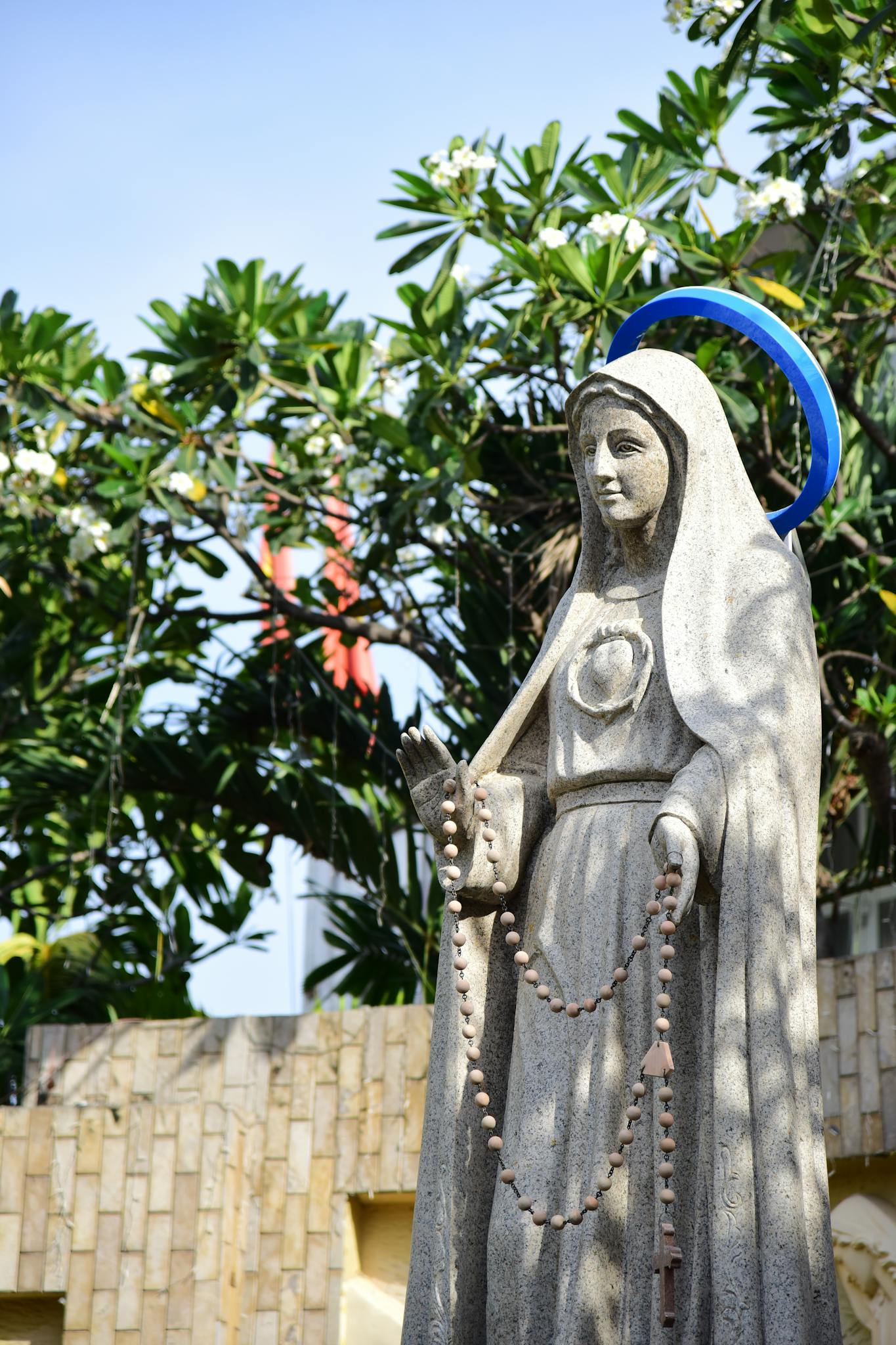
Who Was Saint Kinga?
Saints
A Hungarian princess who became Queen of Poland, then a Poor Clare nun, and is remembered today as a patroness of Poland and Lithuania.
Saint Kinga (Kunegunda) was a Hungarian princess who married Bolesław V of Poland and shared with him a lifelong vow of chastity within their marriage. After his death she gave away her wealth, founded a Poor Clares convent at Stary Sącz in southern Poland, and entered it herself as a nun, eventually serving as abbess. She died there in 1292. Pope John Paul II, himself a Pole, canonized her in 1999, and she is honored as a patroness of Poland and Lithuania and, in popular devotion, of the region’s salt miners.
Quick Facts
- Born: Hungary (royal family), 13th century
- Died: July 24, 1292, Stary Sącz, Poland
- Feast Day: July 24
- Beatified: 1690; Canonized: 1999
- Venerated as: Patroness of Poland and Lithuania
Who Was Saint Kinga?
Kinga was born into the Hungarian royal house and given in marriage to Bolesław V, who would become Duke of Poland. The couple is remembered in Polish tradition for living out a mutual vow of consecrated chastity within their marriage, a striking arrangement for a reigning royal pair, and for Kinga’s active involvement in the charitable and religious life of the duchy. When Bolesław died in 1279, Kinga distributed her personal wealth to the poor and to religious foundations rather than retaining the privileges of a dowager duchess.
Historical Setting
Thirteenth-century Poland was a patchwork of duchies frequently threatened by Mongol incursions from the east, and royal marriages such as Kinga’s were tools of dynastic alliance between the Hungarian and Polish crowns. The Poor Clares, following the reformed Franciscan spirituality of Saint Clare of Assisi, were spreading through Central Europe in this period, offering royal and noble women a recognized path out of court life and into consecrated poverty, which is precisely the path Kinga took at Stary Sącz.
Why the Church Remembers Saint Kinga
The Church remembers Kinga for the completeness of her turn from a life of royal privilege to one of religious poverty and governance of a convent she herself founded. She is also woven into Polish popular memory through the enduring legend connecting her to the salt deposits of Wieliczka, a tradition that made her a natural patroness for miners even though the legend itself lies outside strict history. Her canonization in 1999 by a Polish pope gave fresh visibility to a cult that had already been received locally for centuries.
Canonization and Feast Day
Kinga was beatified in 1690, recognizing a veneration already long established in southern Poland, and was formally canonized on June 16, 1999, by Pope John Paul II. Her feast is kept on July 24, the anniversary of her death at Stary Sącz.
What Catholics Can Learn Today
Kinga’s life shows that renunciation of status is not a single dramatic act but a sustained discipline, since she spent decades directing wealth and influence toward the poor before finally entering the convent she had built for others. For Catholics navigating their own attachments to comfort or position, her example asks not for a single gesture but for a lifelong willingness to hold possessions loosely.
A Prayer to Saint Kinga
Saint Kinga, you traded a crown for a convent cell and spent your wealth on those who had none. Teach us to hold what we have loosely, to see privilege as something to be spent on others rather than kept for ourselves, and to trust that a hidden life given to God is never a wasted one. Amen.
Sources
- Butler’s Lives of the Saints
- Roman Martyrology
- Vatican.va canonization record of Saint Kinga (1999)
- New Advent Catholic Encyclopedia