
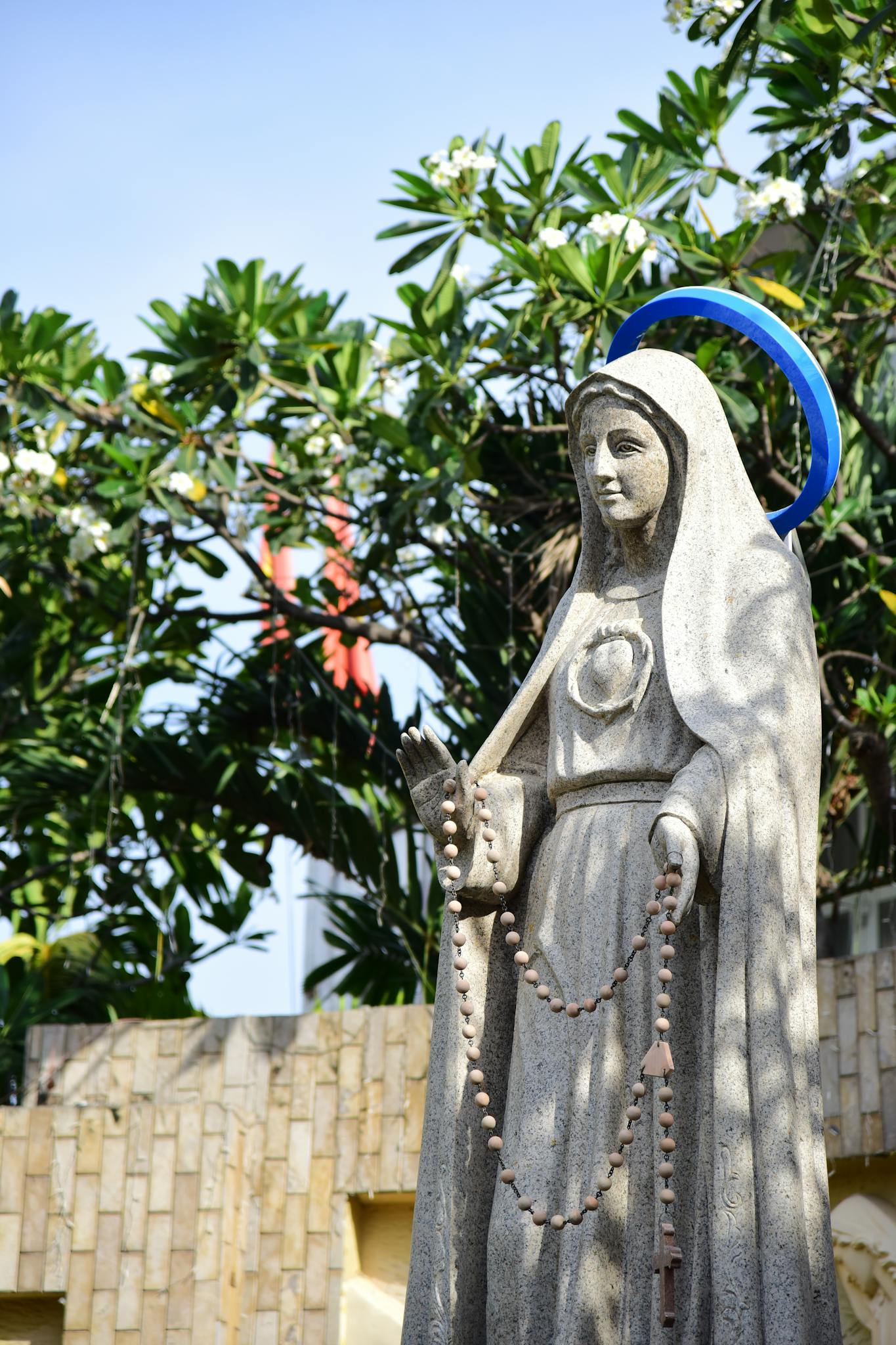
Saint Jeanne-Emilie de Villeneuve
Saints

A nineteenth-century Frenchwoman of noble birth who gave up a comfortable life in Toulouse to found a congregation of teaching and nursing sisters in Castres.
Saint Jeanne-Emilie de Villeneuve (1811–1854) was a French religious foundress born to an aristocratic family in Toulouse. As a young laywoman she devoted herself to visiting the poor and sick of Castres, gradually gathering companions who shared her desire to combine active charity with religious life. In 1836 she founded the Congregation of the Sisters of the Immaculate Conception of Castres, a community dedicated to teaching poor children, nursing the sick, and other works of mercy in a region marked by rural poverty. She served as the young congregation’s superior, shaping its rule and spirituality around simplicity, humility, and direct service to those on the margins, even as illness increasingly weakened her. She died in Castres in 1854 at the age of forty-three, and the congregation she founded went on to spread well beyond France, including missionary work overseas.
Quick Facts
- Born: March 9, 1811, in Toulouse, France
- Died: October 2, 1854, in Castres, France, at 43
- Feast Day: October 2, the anniversary of her death
- Canonized: May 17, 2015, by Pope Francis (beatified July 5, 2009, by Pope Benedict XVI)
- Founder of: the Congregation of the Sisters of the Immaculate Conception of Castres (1836)
Who Was Saint Jeanne-Emilie de Villeneuve?
Jeanne-Emilie de Villeneuve was born into a noble family in Toulouse in 1811, at a time when the French Church was still rebuilding after the upheavals of the Revolution. From an early age she showed an unusual sensitivity to the suffering of the poor around her, and as a young woman in Castres she began visiting the sick and the destitute rather than settling into the social life expected of her class. Around these visits a small circle of like-minded women formed, and in 1836 Jeanne-Emilie formally established them as the Congregation of the Sisters of the Immaculate Conception of Castres, taking in the town’s poor children for education and nursing the sick in their homes. As superior, she wrote the community’s constitutions and insisted on a spirituality of humility and hidden service rather than public recognition, modeling for her sisters a life poured out in ordinary, unglamorous works of mercy. Her health was frail for much of her religious life, and she died in Castres in 1854 at only forty-three, having seen her small congregation take firm root. In the decades after her death the community she founded expanded across France and eventually to mission territories overseas, carrying forward the combination of teaching and nursing that had defined her own daily work.
Historical Setting
Jeanne-Emilie’s life unfolded in nineteenth-century France, a country still working out the long aftermath of the Revolution’s assault on religious life and the Napoleonic reordering of Church and state. Across this period, laywomen and widows throughout provincial France founded a remarkable number of new active religious congregations dedicated to teaching, nursing, and social welfare, stepping into needs that neither the diminished older orders nor the state adequately met. Castres and the surrounding Tarn region, largely agricultural and marked by real rural poverty, offered exactly the kind of unmet need that drew Jeanne-Emilie’s attention, and her congregation belongs to this broader nineteenth-century wave of French women’s active religious life.
Why the Church Venerates Saint Jeanne-Emilie de Villeneuve
The Church honors Jeanne-Emilie de Villeneuve chiefly for choosing a life of concrete, unglamorous service over the comfort her birth would have guaranteed her, and for institutionalizing that choice so it could outlast her own short life. Her insistence that the sisters combine teaching and nursing reflected a practical, holistic vision of charity aimed at the whole person, body and soul, rather than a narrower devotional or intellectual apostolate. Her recognition as a saint also affirms the many quiet nineteenth-century foundresses whose congregations, often begun with a handful of companions and no resources beyond conviction, became lasting instruments of the Church’s care for the poor.
Canonization and Feast Day
Jeanne-Emilie de Villeneuve was beatified by Pope Benedict XVI on July 5, 2009, with Cardinal Angelo Amato presiding at the ceremony on the pope’s behalf, and canonized by Pope Francis on May 17, 2015, after the Church recognized a miracle attributed to her intercession, completing the standard modern process for sainthood. Her feast is kept on October 2, the anniversary of her death, by the Congregation of the Sisters of the Immaculate Conception of Castres and by dioceses connected to her cause.
What Catholics Can Learn Today
Jeanne-Emilie’s life is a reminder that sanctity often looks like sustained, unremarkable faithfulness rather than dramatic gesture: visiting the same poor households, teaching the same children, year after year, until a lifetime of small acts becomes an institution that outlives its founder. Her example also speaks to anyone weighing a comfortable, expected path in life against a quieter call to serve people society tends to overlook, suggesting that such a call, however modest it looks from outside, can bear fruit far beyond what its beginnings promised.
A Prayer to Saint Jeanne-Emilie de Villeneuve
Saint Jeanne-Emilie de Villeneuve, you set aside comfort to serve the poor and sick of Castres with patient, hidden love. Teach us to see the needs of those around us and to answer them simply, without seeking praise. Strengthen all who labor quietly in service of others, that they may persevere as you did despite frailty and little recognition. Pray for the sisters who carry on your work today, and help us trust that small acts of mercy, offered faithfully, can bear lasting fruit. Amen.
Sources
- Vatican.va (canonization documentation, 2015)
- the Congregation of the Sisters of the Immaculate Conception of Castres, congregational history
- Encyclopaedia Britannica
- EWTN