
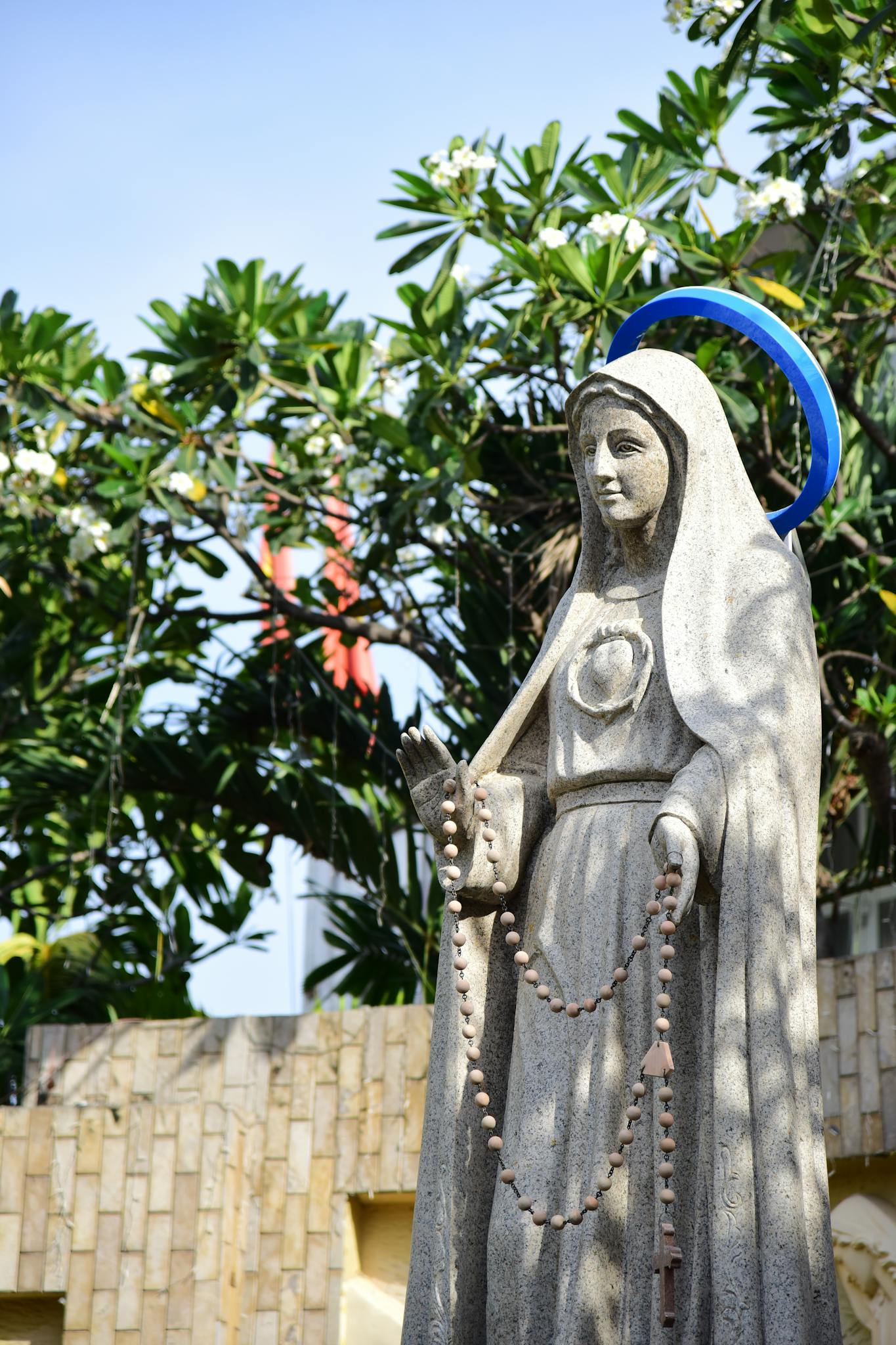
Saint Jeanne-Élisabeth Bichier des Âges
Saints

The Berry noblewoman who partnered with Saint André-Hubert Fournet to found the Daughters of the Cross, combining teaching and home nursing for the rural poor of Poitou.
Saint Jeanne-Élisabeth Bichier des Âges (1773–1838) was a French noblewoman from the Berry region who, after the disruptions of the French Revolution, sought a way to serve the poor of her rural district more directly than existing charitable structures allowed. She found a collaborator in Father André-Hubert Fournet, a parish priest who would himself later be canonized, and together they founded the Daughters of the Cross, also known as the Sisters of Saint Andrew, at La Puye in 1807. The new congregation combined two ministries rarely joined in a single community at the time: teaching poor children in village schools and nursing the sick in their own homes, bringing both education and medical care to rural families who had access to neither. Under her direction the congregation expanded steadily across France and eventually into overseas missions. She died at La Puye in 1838 and was canonized in 1947, following the earlier canonization of her co-founder.
Quick Facts
- Born: July 5, 1773, at the Château des Âges, near Le Blanc, in the Berry region of France
- Died: August 26, 1838, at La Puye, France, at about 65
- Feast Day: August 26
- Canonized: July 6, 1947, by Pope Pius XII
- Patron of: no widely attested formal patronage; venerated as co-foundress of the Daughters of the Cross
Who Was Saint Jeanne-Élisabeth Bichier des Âges?
Jeanne-Élisabeth Bichier des Âges was born in 1773 to a noble family in the Berry region of central France, a childhood soon disrupted by the upheaval of the French Revolution, which touched her family’s fortunes and, like so many of her generation, left her searching for a settled religious vocation once the worst persecution of the Church had passed. She found direction through Father André-Hubert Fournet, the parish priest of Maillé, whose own ministry to the rural poor of Poitou impressed her deeply, and under his spiritual guidance she committed herself to a life of active service rather than entering an existing cloistered order. Together, in 1807, they founded a new congregation at La Puye, the Daughters of the Cross, later also called the Sisters of Saint Andrew, structured around a deliberately dual mission: sisters were to teach in small village schools and also to nurse the sick in their own homes, bringing both catechesis and basic medical care to rural families who had ready access to neither. Jeanne-Élisabeth served as the congregation’s superior for decades, overseeing its steady growth from a single house into a network of communities across France and eventually into missions abroad, while continuing to work closely with Fournet, who remained the congregation’s spiritual father until his death in 1834. She herself died at La Puye four years later, in 1838.
Historical Setting
Jeanne-Élisabeth’s founding work took place in the France of the early nineteenth century, during the fragile rebuilding of Catholic religious and charitable life that followed the Revolution’s suppression of the old orders and the Napoleonic Concordat’s partial restoration of Church institutions. Rural regions like Poitou had been left with few resources for either basic education or medical care for the poor, a gap that the new, more flexible active congregations forming across France in this period, unlike the older enclosed orders, were specifically designed to fill by combining teaching, nursing, and other direct social service within a single community’s mission.
Why the Church Venerates Saint Jeanne-Élisabeth Bichier des Âges
The Church venerates Jeanne-Élisabeth Bichier des Âges for the practical wisdom of joining education and home nursing within a single congregation, meeting the rural poor’s most pressing needs with a single, coordinated response rather than separate institutions, and for her long, fruitful partnership with a priest co-founder that modeled a productive collaboration between clergy and laywomen in building new forms of religious life. Her steady, decades-long governance of a growing congregation through the practical difficulties of expansion is remembered as a quieter, but no less real, form of sanctity than more dramatic conversion stories.
Canonization and Feast Day
Jeanne-Élisabeth Bichier des Âges was beatified by Pope Pius XI in 1934 and canonized on July 6, 1947, by Pope Pius XII, in the years following the 1933 canonization of her co-founder, André-Hubert Fournet, a sequence that recognized both founders of the Daughters of the Cross within a relatively short span. Her feast is observed on August 26, the anniversary of her death at La Puye in 1838, and is kept with particular devotion by the Daughters of the Cross, whose communities continue the combined educational and nursing mission she helped establish.
What Catholics Can Learn Today
Jeanne-Élisabeth’s model of pairing education with direct nursing care challenges any tendency to compartmentalize charity into narrow specialties, suggesting instead that the poor’s needs are rarely so neatly divided. Her long working partnership with Father Fournet also offers a practical example of how clergy and laypeople, or women religious, can sustain a shared mission over decades through mutual trust rather than either party working alone.
A Prayer to Saint Jeanne-Élisabeth Bichier des Âges
Saint Jeanne-Élisabeth Bichier des Âges, foundress who brought both lessons and healing to the villages of Poitou, you saw that the poor need more than one kind of care. Teach us to serve the whole person, body and mind together, and to build lasting partnerships in the service of others as you did with Father Fournet. Intercede for teachers and for those who nurse the sick at home, that their patient, unseen labor may bear lasting fruit. Amen.
Sources
- Vatican.va
- the Daughters of the Cross (Sisters of Saint Andrew), official congregational history
- the Catholic Encyclopedia (New Advent)
- Butler’s Lives of the Saints