
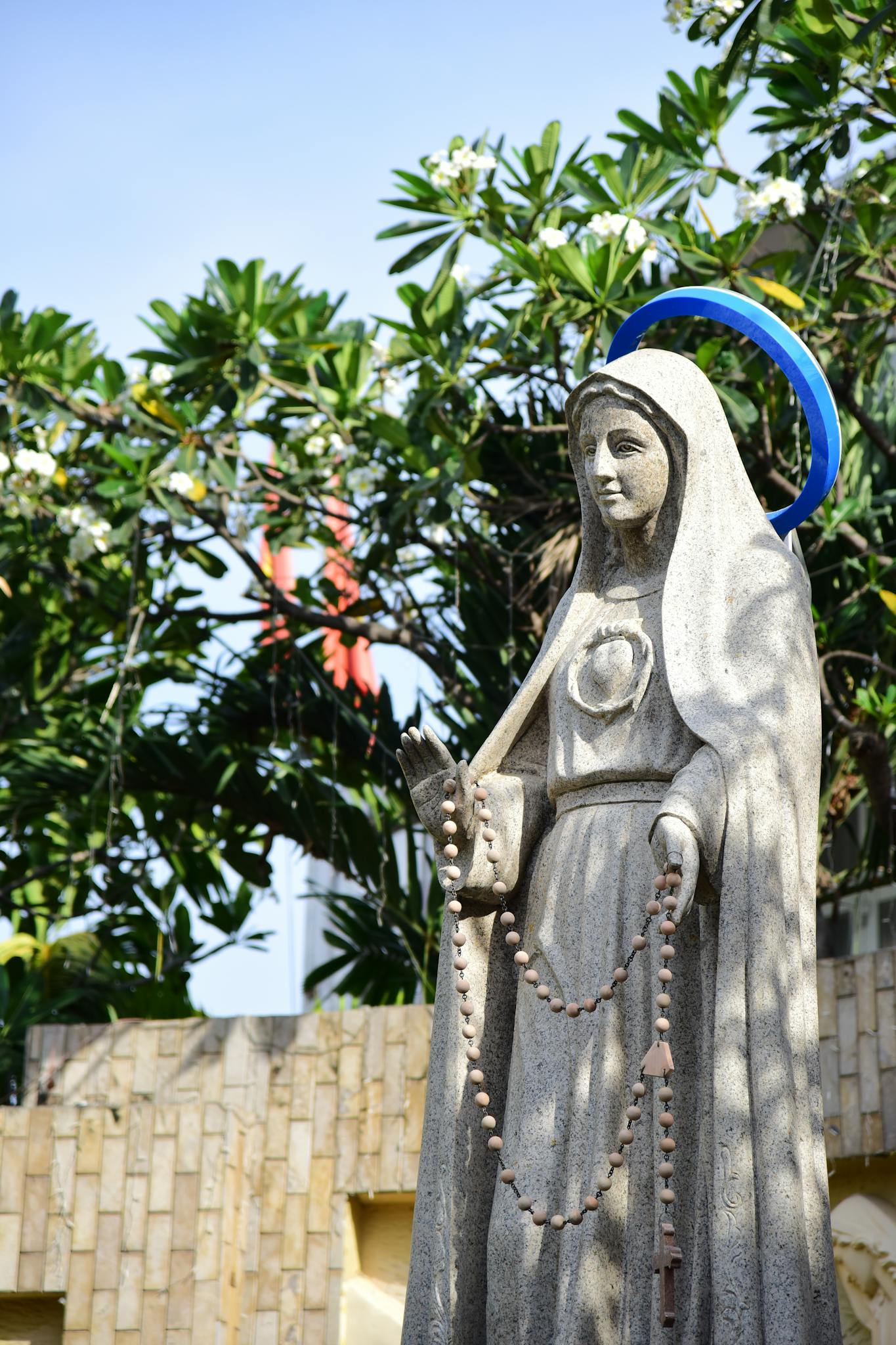
Who Was Saint Isice de Vienne?
Saints
A sixth-century archbishop of Vienne in Gaul, remembered for his pastoral governance of that ancient Rhone valley see in the mid-500s.
Saint Isice de Vienne served as metropolitan archbishop of Vienne, an ancient episcopal see on the Rhone in southeastern Gaul, holding office from approximately 549 to 555, though the precise date of his death is not securely established in the surviving record. Little beyond his episcopal tenure and the general period of his governance has been preserved, and his veneration, unusually for a Tier-2 figure of such thin documentation, was formally recognized in a canonisation act in 1903, reflecting Vienne’s long and careful preservation of the memory of its early bishops.

Quick Facts
- Era: archbishop of Vienne, c. 549 – c. 555
- Place: Vienne, France
- Canonized: 1903
- Venerated as: Archbishop of Vienne
Who Was Saint Isice de Vienne?
Isice governed the metropolitan see of Vienne, one of the oldest and most prestigious episcopal cities of Roman and post-Roman Gaul, for roughly six years in the mid-sixth century, a period documented in outline through the succession lists and local records maintained by the diocese even where a fuller narrative biography does not survive. Vienne, with roots reaching back to the earliest days of Christianity in Gaul, took particular care across the centuries to preserve the memory of its bishops, which likely accounts for the survival of even this modest record.
Historical Setting
Sixth-century Gaul lay under Merovingian Frankish rule, a period of considerable political fragmentation and frequent conflict among rival Frankish kings, in which the Church’s episcopal structure often provided a rare thread of institutional continuity from the late Roman world into the emerging medieval kingdoms. Bishops like Isice were responsible not only for spiritual governance but frequently for civic leadership as well, in cities where royal authority could be distant or contested.
Why the Church Remembers Saint Isice de Vienne
The Church remembers Isice through Vienne’s own careful, centuries-long stewardship of its episcopal history, a stewardship substantial enough that his cult received formal recognition in 1903, even though the underlying historical record for his individual life and governance remains sparse by modern standards.
Canonization and Feast Day
Saint Isice de Vienne’s veneration was formally recognized through a canonisation act recorded in 1903, one of the relatively few Tier-2 figures in this corpus whose cult received such explicit modern confirmation despite the thinness of the earlier historical record.
What Catholics Can Learn Today
Isice’s story, preserved mainly through the institutional memory of his diocese, shows how local churches have often served as the quiet custodians of sanctity across many centuries, sustaining the honor due to their bishops long after any fuller narrative of their lives had faded.
A Prayer to Saint Isice de Vienne
Saint Isice de Vienne, faithful shepherd of an ancient see, watch over bishops today as they govern their own churches amid the uncertainties of their times, as you once governed Vienne. Amen.
Sources
- Gallia Christiana
- Roman Martyrology