
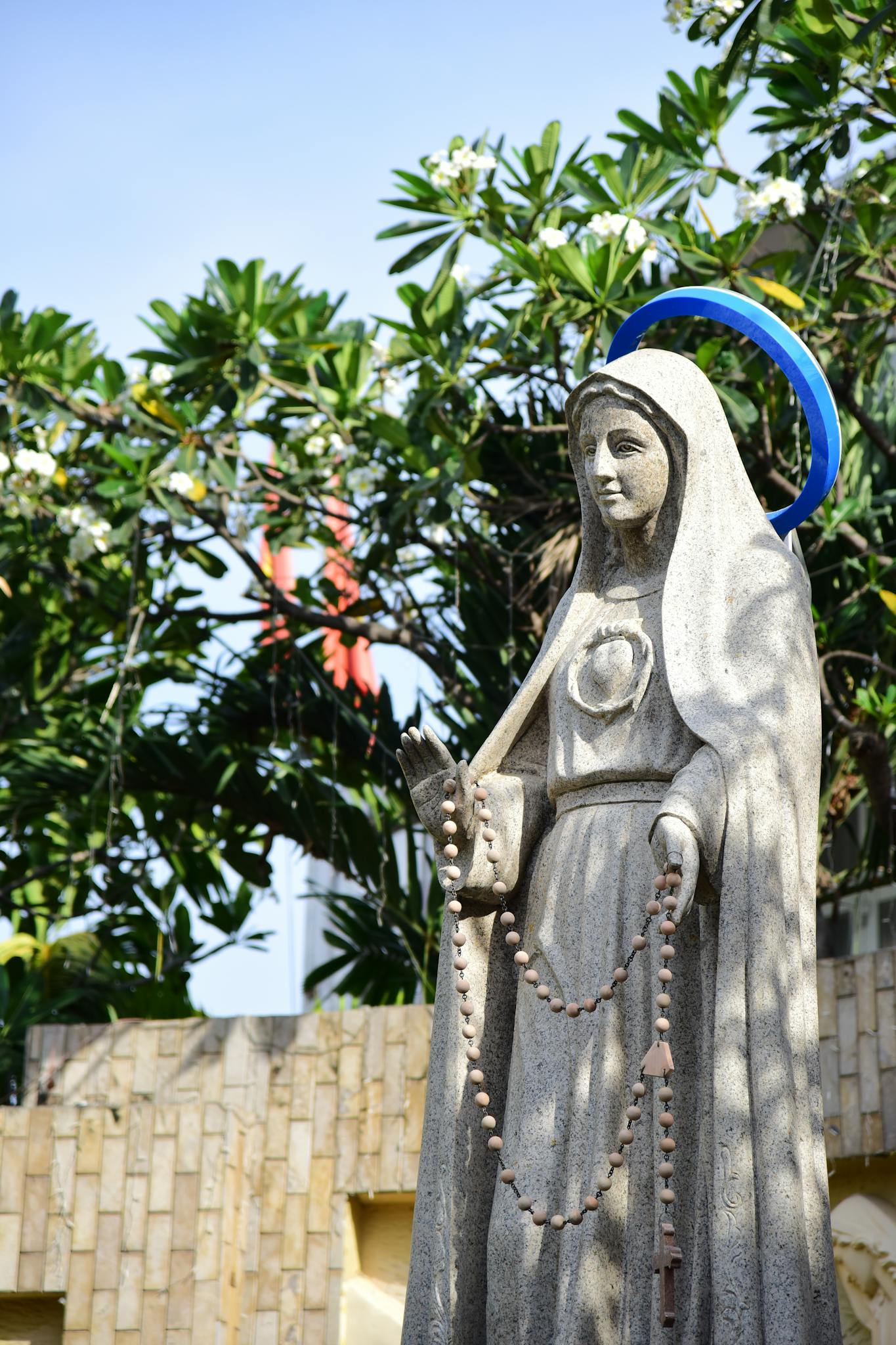
Saint Hydulphe de Moyenmoutier
Saints

A little-documented seventh-century chorbishop of Trier who, according to later monastic tradition, left ecclesiastical office to found the abbey of Moyenmoutier in the Vosges.
Saint Hydulphe, also spelled Hidulphe or Hidulf, is a shadowy figure of the early medieval Frankish Church, remembered chiefly through later monastic tradition as a chorbishop, or auxiliary bishop, connected to the church of Saint-Maximin at Trier before he withdrew from ecclesiastical office to embrace monastic life. According to the record preserved by the abbey he is credited with founding, he established the monastery of Moyenmoutier in the forested Vosges region of present-day France, an area that in the seventh century was becoming a center of new monastic foundations shaped by the Irish-influenced Columbanian reform movement spreading through Gaul. His death is traditionally placed around the year 707, though the exact date, like much of the rest of his biography, rests on sources written well after his lifetime and should be treated with appropriate caution rather than as documented fact.
Quick Facts
- Born: date and place unknown; later tradition places his origins in the Frankish Rhineland
- Died: traditionally dated to 707, at Moyenmoutier, in the Vosges (present-day France) — the exact year is uncertain
- Feast Day: kept locally, traditionally on July 11, though sources vary
- Canonized: no formal canonization process applies to a saint of this early period; venerated through longstanding local and monastic cultus
- Patron of: no widely attested patronage
Who Was Saint Hydulphe de Moyenmoutier?
Very little about Hydulphe can be established with confidence, since the surviving accounts of his life were composed generations after his death by monks of the community that revered him as its founder, a common pattern for early medieval monastic saints. According to that later tradition, he served as a chorbishop, an assistant or auxiliary bishop without a fixed see, associated with the church of Saint-Maximin near Trier, and belonged to a religious current influenced by the monastic reforms the Irish monk Columbanus had introduced to Gaul a generation earlier. At some point, tradition holds, he set aside ecclesiastical office to pursue a stricter monastic life, withdrawing to the forested Vosges mountains and founding the community that became the abbey of Moyenmoutier (‘middle monastery’), which took its place among a cluster of monasteries founded in that district during the seventh century, alongside houses linked to other regional saints such as Deodatus. Because the documentary record is thin and largely hagiographic in character, historians treat the specific details of his career, including his exact dates, with caution, while still recognizing Moyenmoutier’s foundation and his association with it as historically plausible.
Historical Setting
Hydulphe’s traditional lifetime falls within the seventh century, a formative period for Frankish monasticism in which Irish and Frankish monastic currents, especially the reforms associated with Columbanus and his followers, spread through Gaul and inspired Frankish nobles and clergy to found new religious communities across forested and frontier regions such as the Vosges. Monasteries founded in this period, often on land granted by local aristocracy, served as centers of prayer, agricultural development, and evangelization for surrounding rural populations, and their founders were frequently remembered and venerated locally long before any formal Church process for canonization existed.
Why the Church Venerates Saint Hydulphe de Moyenmoutier
Hydulphe is venerated primarily as the traditional founder of Moyenmoutier, a monastery that endured for centuries as a center of Benedictine life in the Vosges, and as an example of a pattern common in this era: a cleric or courtier renouncing ecclesiastical rank for a stricter monastic vocation. Local devotion preserved his memory chiefly through the life and continuity of the community he was believed to have founded, rather than through any wider cultus, which is typical of many early medieval monastic patrons whose sanctity was recognized informally by the communities that owed their existence to them.
Canonization and Feast Day
Because Hydulphe’s life predates by many centuries the development of a formal canonization process in the Catholic Church, no such process was ever undertaken on his behalf; his recognition as a saint rests entirely on ancient and continuous local veneration, the kind of cultus the Church later termed ‘immemorial custom’ when it eventually regularized sainthood in the High Middle Ages. His feast has traditionally been kept on July 11 in local and monastic calendars connected to Moyenmoutier and the region of Saint-Dié, though readers should note that dates and details for saints of this period vary between historical sources.
What Catholics Can Learn Today
Even where the historical record is thin, Hydulphe’s tradition points to a recognizable and still-relevant spiritual movement: the willingness to give up status and office for a deeper, more demanding life of prayer. His memory, preserved mainly through the endurance of the community he founded, is also a reminder that much sanctity in Church history survives not through dramatic documentation but through the quiet continuity of institutions built in service of others.
A Prayer to Saint Hydulphe de Moyenmoutier
Saint Hydulphe, hidden founder of Moyenmoutier, you set aside rank and office to seek God more fully in the silence of the forest. Though little of your story has come down to us, your witness to conversion and humility endures in the community you began. Intercede for all who feel called to leave comfort and status behind for a deeper life of prayer, and help us trust that God remembers what history forgets. Amen.
Sources
- the Catholic Encyclopedia (New Advent)
- Butler’s Lives of the Saints
- the Bollandists’ Acta Sanctorum
- historical records of the Diocese of Saint-Dié