
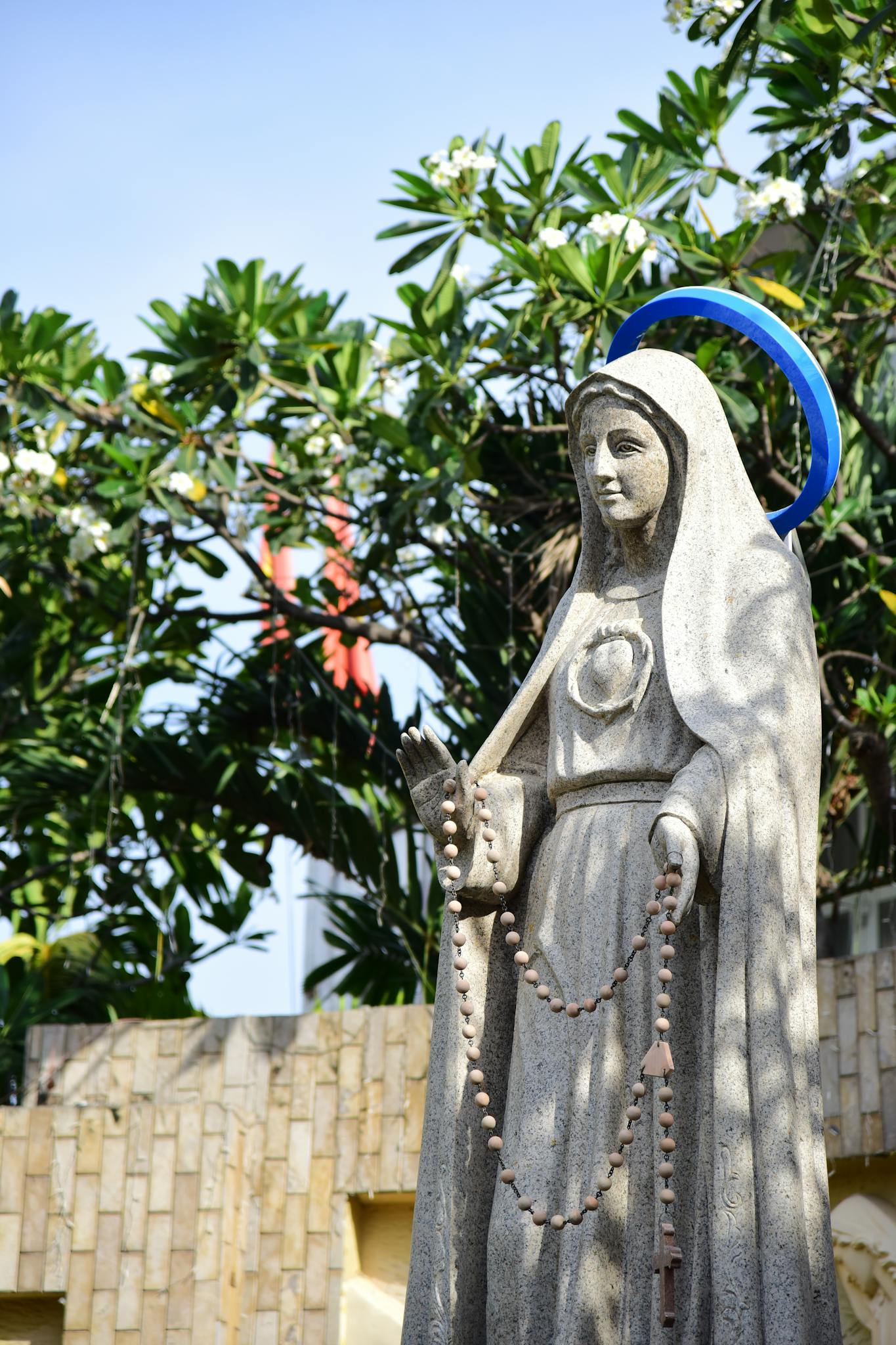
Saint Giustino Maria Russolillo
Saints

A Neapolitan priest known as the ‘apostle of vocations,’ who founded the Society of Divine Vocations to help young people discern and answer God’s call in life.
Saint Giustino Maria Russolillo (1891–1955) was an Italian diocesan priest from Pianura, near Naples, who became convinced that the Church’s greatest hidden need was a systematic, deliberate effort to help young people recognize and respond to a vocation from God — whether to priesthood, religious life, marriage, or single consecrated life. In 1920 he founded the Society of Divine Vocations, known as the Vocationists, followed soon after by a women’s branch, the Vocationist Sisters, with the specific mission of identifying and forming vocations among the young, especially the poor. He served for decades as a parish priest and spiritual director in Naples while building his young religious family, teaching a distinctive spirituality centered on discovering and living out one’s personal vocation as the surest path to holiness. He died in Pianura in 1955, was beatified by Pope Benedict XVI in 2011, and was canonized by Pope Francis on May 15, 2022, alongside nine other saints including Charles de Foucauld and Titus Brandsma.
Quick Facts
- Born: January 18, 1891, Pianura, Naples, Italy
- Died: August 2, 1955, Pianura, Italy
- Feast Day: August 2 (observed within the Vocationist family)
- Canonized: May 15, 2022, by Pope Francis (beatified May 7, 2011, by Pope Benedict XVI)
- Patron of: vocations and those discerning a religious or priestly calling (informal, tied to his charism)
Who Was Saint Giustino Maria Russolillo?
Giustino Maria Russolillo was born on 18 January 1891 in Pianura, a town near Naples, and was ordained a diocesan priest, serving for most of his life in and around Naples as a parish priest, seminary spiritual director, and confessor. From early in his ministry he became convinced that the Church’s greatest hidden pastoral gap was the lack of any deliberate, organized effort to help young people recognize and respond to a personal vocation from God, whether to priesthood, religious life, marriage, or consecrated life in the world. In 1920 he founded the Society of Divine Vocations, whose members became known as the Vocationists, and soon afterward established a corresponding congregation of Vocationist Sisters, both dedicated specifically to identifying, forming, and accompanying young vocations, especially among the poor of southern Italy who had little access to seminaries or formation houses. He developed a distinctive spirituality built around the idea that discovering and living one’s true vocation was itself the most direct path to personal holiness, and he combined this teaching with an intense, largely self-denying personal life of prayer and availability to those he directed. He continued guiding his growing religious family through the difficult years of the Second World War and its aftermath, remaining active in ministry until his death in his native Pianura on 2 August 1955.
Historical Setting
Russolillo’s ministry took place in early twentieth-century southern Italy, a region marked by widespread poverty, large families, and an acute shortage of structured pastoral care for the young, even as the local Church retained deep popular devotion. In the decades following Italian unification and through the difficult years of the two World Wars, many dioceses in the Naples area struggled to identify and cultivate priestly and religious vocations from among the poor, who often lacked access to seminaries or formation houses. Russolillo’s insight — that vocation discernment needed dedicated institutions and deliberate pedagogy, not merely occasional preaching — reflected a broader twentieth-century Catholic concern with vocations promotion that would later be echoed at the Second Vatican Council.
Why the Church Venerates Saint Giustino Maria Russolillo
Russolillo is honored within the Church chiefly for his singular focus on vocations as a distinct and urgent pastoral priority, and for building lasting institutions — the Vocationist Fathers and Sisters — dedicated specifically to that work rather than treating it as incidental to parish ministry. His own life of intense, almost round-the-clock prayer and availability to the young he served is remembered as a model of priestly zeal. Following his canonization by Pope Francis in 2022, the Church now venerates him universally as a formally recognized saint, and his religious family continues to hold him up as a model of holiness and pastoral zeal.
Canonization and Feast Day
Giustino Maria Russolillo was beatified by Pope Benedict XVI on 7 May 2011, following the recognition of a first miracle attributed to his intercession. After a second miracle was recognized, Pope Francis canonized him on 15 May 2022 in St. Peter’s Square, together with nine other saints, including Charles de Foucauld and Titus Brandsma. His liturgical memorial is kept by the Vocationist family on 2 August, the anniversary of his death in 1955.
What Catholics Can Learn Today
Saint Giustino Maria Russolillo’s life is a challenge to take vocation seriously — not as a vague feeling but as a real, personal call from God that deserves patient discernment and formation, whatever state of life it leads to. For young people today navigating major life decisions amid competing pressures, his conviction that every person has a specific vocation worth discovering offers a countercultural but hopeful framework. His example also encourages the Church to invest deliberately in helping the young discern their calling, rather than assuming vocations will simply appear on their own.
A Prayer to Saint Giustino Maria Russolillo
Saint Giustino Maria Russolillo, tireless apostle of vocations, you spent your life helping others discover God’s call for them. Intercede for all who are searching for their path in life, that they may hear clearly what God asks of them. Give young people today the courage to say yes to their vocation, whatever form it takes, and give the Church wisdom and generosity in forming those she calls. Amen.
Sources
- Vatican.va (beatification records)
- the Society of Divine Vocations (Vocationists), congregational history
- EWTN
- Catholic News Agency