
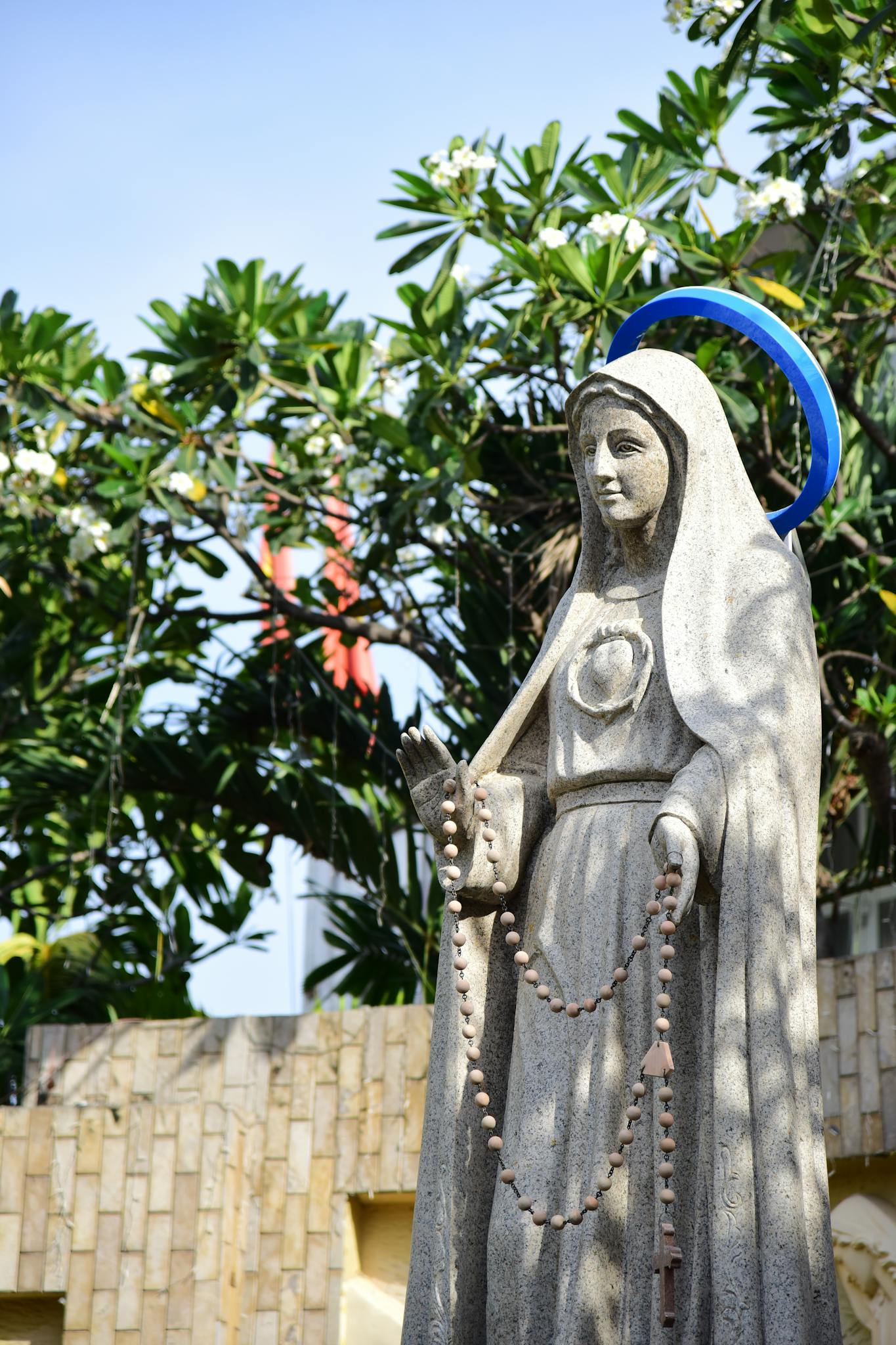
Saint John of Matera
Saints

A twelfth-century Italian hermit and outspoken preacher who, after repeated persecution and imprisonment, founded Pulsano Abbey on Monte Gargano and the Pulsanese monastic congregation.
Saint John of Matera (c. 1070–1139), also known by his birthplace as Giovanni da Matera, was an Italian hermit, itinerant preacher, and monastic founder active in southern Italy during the twelfth century. Born in the city of Matera in Basilicata, he embraced a life of prayer and penance from a young age, becoming known for outspoken preaching against corruption and injustice that repeatedly brought him into conflict with local authorities, including periods of imprisonment. After years of wandering and hardship, he settled on Monte Gargano in Apulia, where around 1129 he founded the monastery of Pulsano, known as Pulsano Abbey, gathering disciples under a demanding rule that combined solitary eremitic discipline with community life. This foundation grew into the Pulsanese Congregation, a distinct branch of Benedictine-observance monasticism that in time established several daughter houses. John died at Pulsano on June 20, 1139, and was formally canonized by Pope Alexander III in 1177.
Quick Facts
- Born: c. 1070s, Matera, Basilicata, Italy
- Died: June 20, 1139, Pulsano Abbey, Monte Gargano, Apulia, Italy, at about 68 years old
- Feast Day: June 20
- Canonized: 1177, by Pope Alexander III
- Patron of: the Pulsanese Congregation and, locally, of Matera and the Monte Gargano region
Who Was Saint Giovanni Scalcione da Matera?
John of Matera, born in the closing decades of the eleventh century in the city of Matera in southern Italy, was drawn from a young age to a life of severe asceticism and public preaching, qualities that would define a career marked as much by conflict as by contemplation. According to the medieval accounts of his life, composed by monks of his own congregation not long after his death, he left his home region to live as a wandering hermit and preacher across parts of southern Italy, denouncing moral and social abuses wherever he encountered them with a bluntness that repeatedly provoked the hostility of local rulers and clergy; he is recorded to have been imprisoned more than once as a consequence of this outspokenness, including a confinement at Ginosa on the strength of false accusations from which he was said to have been miraculously freed, and a later imprisonment at Bari around 1127 from which he was released through the intervention of Grimoald, Prince of Bari, after John’s orthodoxy was formally verified. Rather than being deterred, John persisted in his itinerant, penitential way of life for years before finally settling, around 1129, on the slopes of Monte Gargano in Apulia, a rugged promontory on the Adriatic coast long associated with pilgrimage and eremitic devotion because of its ancient shrine to the Archangel Michael. There he founded the monastery that came to be known as Pulsano Abbey, gathering around him disciples who embraced a demanding combination of strict solitary discipline and structured community life, a pattern that would define the distinctive character of the Pulsanese Congregation his foundation gave rise to. Under his guidance and that of his immediate successors, the congregation expanded to establish additional houses following the same austere observance, becoming a recognized branch within the broader family of Benedictine monasticism in medieval southern Italy. John governed his community at Pulsano until his death there on June 20, 1139.
Historical Setting
John’s life unfolded in twelfth-century southern Italy, a region of considerable political instability as Norman conquerors consolidated their rule over territories previously divided among Byzantine, Lombard, and Muslim powers, creating a landscape in which itinerant hermits and reforming preachers like John could find both opportunity and serious danger in confronting local abuses of power. This period also saw a broader wave of eremitic and reforming monastic movements across Western Europe, exemplified by figures such as Bruno of Cologne, founder of the Carthusians, and Robert of Molesme, associated with the origins of the Cistercians, all seeking a return to a more austere and demanding form of monastic discipline than they judged prevailed in many existing houses; John’s foundation at Pulsano, with its combination of solitary rigor and communal structure, belongs squarely within this same broader current of twelfth-century monastic reform. Monte Gargano itself, already renowned since late antiquity as the site of the apparition of the Archangel Michael, provided a setting with deep existing associations of pilgrimage and ascetic withdrawal well suited to John’s foundation.
Why the Church Venerates Saint Giovanni Scalcione da Matera
John is venerated for his uncompromising commitment to a demanding, penitential form of Christian witness, sustained across years of hardship, wandering, and repeated imprisonment for speaking out against injustice, without ever abandoning either his preaching or his ascetic discipline. The endurance of the monastic congregation he founded at Pulsano, which carried forward his particular synthesis of solitary and communal observance for generations after his death, stands as the most concrete evidence of the lasting spiritual vitality of his vision. He is also honored, in the manner typical of many medieval monastic founders, chiefly through the memory and continued life of the community he left behind, which preserved his story and his relics as the foundation of its own religious identity.
Canonization and Feast Day
John of Matera was formally canonized by Pope Alexander III in 1177, less than four decades after his death, a recognition supported by sustained veneration at Pulsano Abbey and in his native Matera and by a Life composed within his own monastic tradition not long after he died. His feast is kept on June 20, the anniversary of his death.
What Catholics Can Learn Today
John’s persistence in speaking against injustice despite repeated imprisonment offers a demanding but clarifying example of what it can cost to hold fast to conscience in the face of powerful opposition, and a reminder that setbacks and confinement need not be the end of a person’s vocation but can instead be endured as part of it. His eventual settling into stable community life at Pulsano after years of wandering also suggests that a restless search for the right form of service to God, even when it takes many false starts and hardships, can still arrive at a lasting and fruitful home.
A Prayer to Saint Giovanni Scalcione da Matera
Saint John of Matera, who bore imprisonment and hardship rather than silence your voice against injustice, give courage to all who suffer for speaking the truth. You who wandered long before finding your resting place on the heights of Monte Gargano, be near to those still searching for where God is calling them to settle and serve. Through your intercession, strengthen the resolve of preachers, reformers, and all who work quietly for justice in difficult places, and grant that every hardship endured for the sake of the Gospel may bear fruit, as yours did, in a community that outlasts the suffering that founded it. Amen.
Sources
- the Catholic Encyclopedia (New Advent)
- the Roman Martyrology
- the historical record of the Pulsanese Congregation and Pulsano Abbey
- Acta Sanctorum