
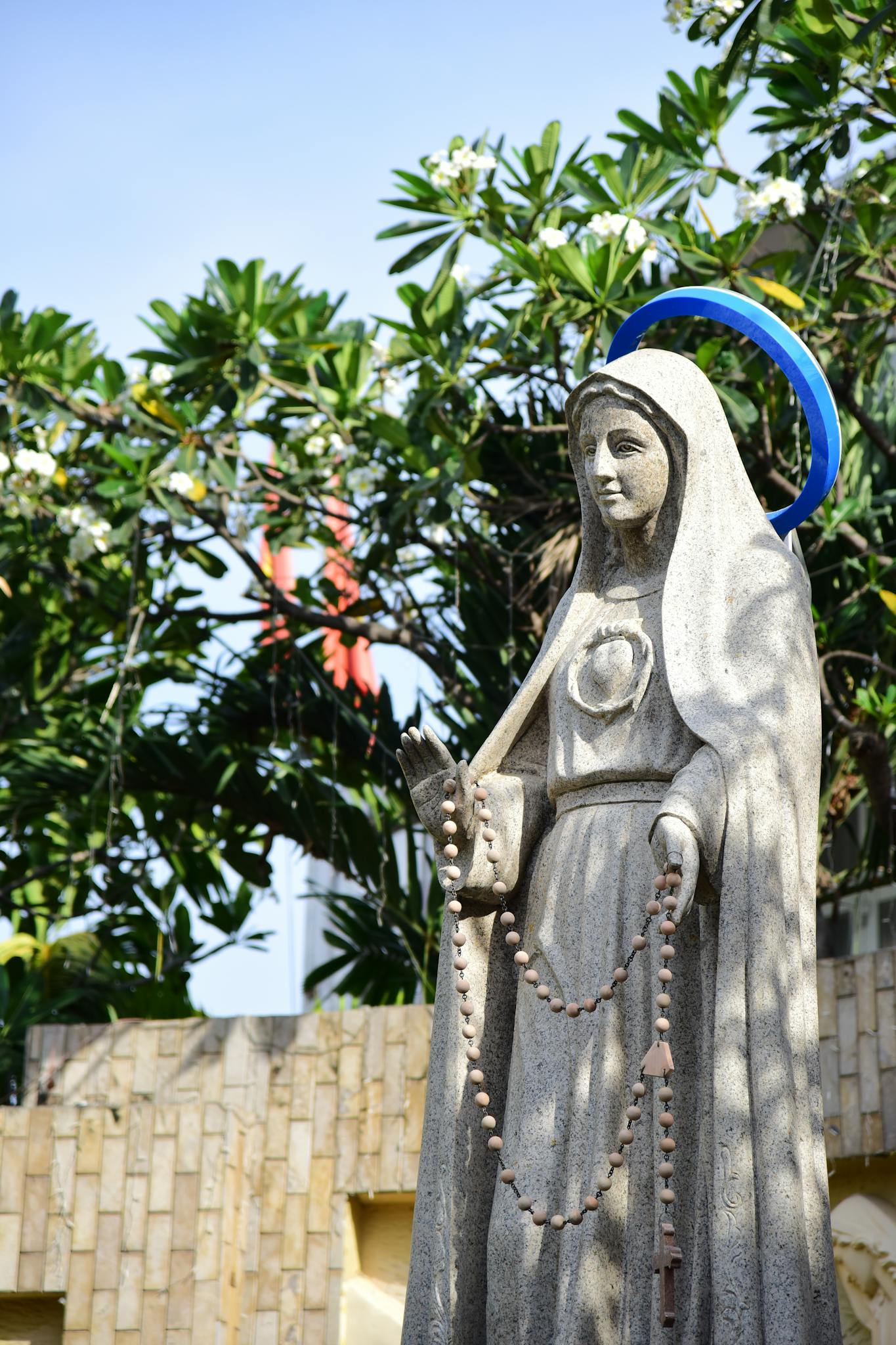
Saint Giovanni Leonardi
Saints

A former pharmacist turned priest of Lucca who founded the Clerics Regular of the Mother of God, promoted frequent Communion, and helped inspire what became the Vatican’s missionary office.
Saint Giovanni Leonardi (1541–1609) was an Italian priest and founder, trained originally as a pharmacist’s apprentice, who redirected his life toward the priesthood and a program of reform centered on the Eucharist and the missionary formation of clergy. Ordained in Lucca in 1572, he founded in 1574 a small community of priests, later approved as the Clerics Regular of the Mother of God of Lucca, dedicated to renewing the moral and spiritual life of the clergy and laity through catechesis, frequent Communion, and disciplined common life. His reforming zeal provoked strong local opposition, leading to a period of exile from Lucca, but he found support in Rome, including friendships with Saint Philip Neri and Cardinal Cesare Baronius, and his ideas about coordinated Catholic missionary work contributed to the eventual founding of the Vatican’s Congregation for the Propagation of the Faith in 1622. He died in Rome on October 9, 1609, and was canonized in 1938.
Quick Facts
- Born: c. 1541, Diecimo, near Lucca, Italy
- Died: October 9, 1609, Rome, Italy, at about 67 years old
- Feast Day: October 9
- Canonized: April 17, 1938, by Pope Pius XI
- Patron of: pharmacists
Who Was Saint Giovanni Leonardi?
Giovanni Leonardi was born around 1541 in the small town of Diecimo near Lucca, in Tuscany, and as a young man was apprenticed to a pharmacist, work that gave him practical scientific training but did not satisfy a growing sense of religious vocation. He pursued theological studies and was ordained a priest in Lucca in 1572, quickly becoming known for zealous catechetical work among children and adults alike, at a time when the broader Catholic Church was working to implement the reforms of the Council of Trent, recently concluded in 1563. In 1574 he gathered a small group of like-minded priests into a community committed to strict discipline, frequent celebration and reception of the Eucharist, and rigorous formation of clergy, a group eventually recognized by the Holy See as the Clerics Regular of the Mother of God of Lucca. His insistence on reform, including opposition to abuses among the local clergy and laity, provoked serious hostility in Lucca, and he was forced into exile from his native city for several years, a hardship that nonetheless brought him into closer contact with reform-minded circles in Rome. There he formed a notable friendship with Saint Philip Neri, founder of the Oratorians, and with the church historian Cardinal Cesare Baronius, and he became increasingly convinced of the need for a coordinated Roman office to organize and support Catholic missionary activity worldwide. Although Leonardi did not live to see it, this vision contributed directly to the eventual establishment of the Sacred Congregation for the Propagation of the Faith, commonly called Propaganda Fide, founded in 1622 to oversee the Church’s missionary efforts. He died in Rome on October 9, 1609, having spent his final years continuing to guide his small congregation and to promote his ideas for missionary reform.
Historical Setting
Leonardi’s priestly ministry took shape in the decades immediately following the Council of Trent, a period of intense Catholic reform aimed at correcting clerical abuses, improving the education and discipline of priests, and reinvigorating lay devotion, particularly around the sacraments, all central concerns of his own reforming community. This was also the age of Catholicism’s expanding global missionary reach, as religious orders and secular clergy sought to bring the faith to the Americas, Asia, and other regions newly encountered by European exploration and trade, a development that made Leonardi’s vision of a coordinated missionary office in Rome especially timely, even though its formal realization came more than a decade after his death. His own difficult experience of local resistance to reform in Lucca reflects the broader tension of this period between entrenched local ecclesiastical interests and the push, often originating from Rome, for stricter clerical discipline and renewed sacramental practice.
Why the Church Venerates Saint Giovanni Leonardi
Leonardi is venerated for his persistence in pursuing clerical and sacramental reform even in the face of sustained local opposition and personal exile, a costly fidelity to principle that the Church has come to see as a hallmark of genuine reforming sanctity. His early and sustained promotion of frequent Communion, well ahead of its later widespread encouragement in Catholic devotional life, is remembered as a significant contribution to eucharistic spirituality. He is also honored as a forerunner of organized Catholic missionary structure, whose vision, developed in conversation with figures like Philip Neri and Cesare Baronius, helped lay conceptual groundwork for the missionary office that Rome would formally establish soon after his death.
Canonization and Feast Day
Giovanni Leonardi was beatified by Pope Pius IX on November 10, 1861, and canonized by Pope Pius XI on April 17, 1938, following the Church’s established process of examining his life, writings, and miracles attributed to his intercession. His feast is observed on October 9, the anniversary of his death.
What Catholics Can Learn Today
Leonardi’s willingness to endure exile from his own city rather than abandon his call for reform offers a sober example for anyone who faces resistance or hostility while trying to do what conscience demands, particularly within institutions resistant to change. His broader vision, that the Church’s mission required not only individual zeal but coordinated, lasting structures of support, also encourages modern believers to think practically about how good intentions can be organized into institutions capable of sustaining important work well beyond a single person’s lifetime.
A Prayer to Saint Giovanni Leonardi
Saint Giovanni Leonardi, who bore exile from your own city rather than abandon the reform you believed the Church required, strengthen all who suffer opposition for the sake of what is right. You who loved the Eucharist so deeply that you urged others to receive it often, kindle in me a greater hunger for the presence of Christ in the sacrament. You who dreamed of a Church organized to carry the Gospel to the ends of the earth, inspire missionaries and all who plan and build for the Church’s future with the same farsighted zeal. Grant me the patience to labor for reforms I may never see completed, trusting, as you trusted, that God brings the increase in his own time. Amen.
Sources
- the Catholic Encyclopedia (New Advent)
- Vatican.va, biography of Saint Giovanni Leonardi
- Butler’s Lives of the Saints
- the historical record of the Order of Clerics Regular of the Mother of God