
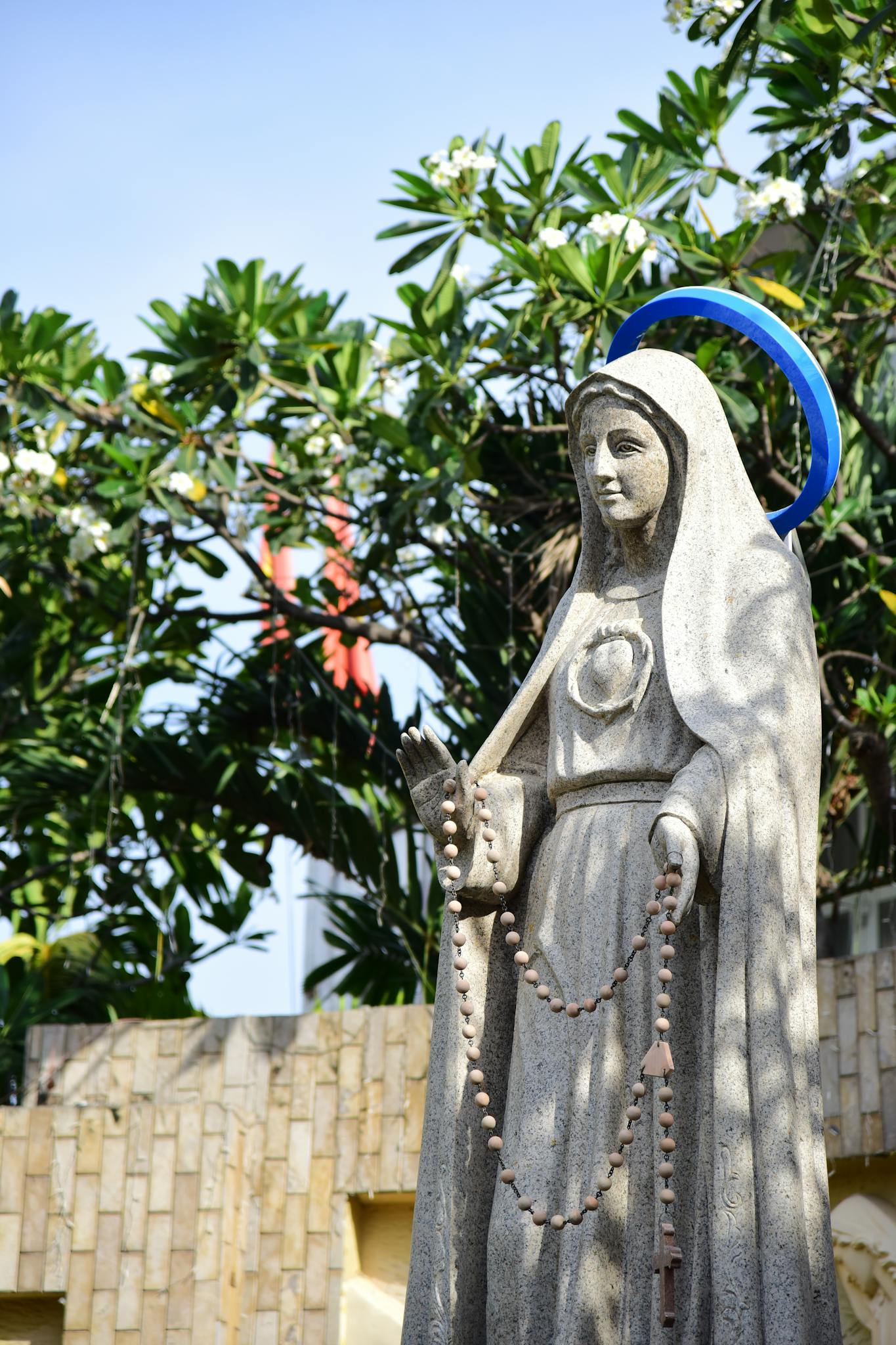
Saint Bonajuncta Manetti
Saints

One of the Seven Holy Founders of the Servite Order, a Florentine merchant known in religion as Giovanni who became the community’s second superior and guided it through its earliest years of growth.
Saint Bonajuncta Manetti (d. 1257), called Giovanni in religious life, was one of the seven Florentine laymen who in 1233 renounced worldly life to found the community that became the Order of Friar Servants of Mary, or Servites. After the community’s founder and first superior, Bonfiglio Monaldi, stepped back from active leadership, Bonajuncta was chosen to succeed him as the group’s second superior, a position of particular responsibility as the young community moved from its original eremitic retreat on Monte Senario toward a more organized and outward-facing religious life. Servite tradition remembers him as a steady guide through this formative transition, and later accounts hold that he was granted a vision of the Virgin Mary shortly before his death in 1257, understood within the order as a confirmation of its Marian mission. He and his six companions were canonized together in 1888 as the Seven Holy Founders.
Quick Facts
- Born: date unknown, traditionally Florence, Italy
- Died: 1257, Italy
- Feast Day: February 17 (shared feast of the Seven Holy Founders of the Servite Order)
- Canonized: January 15, 1888, by Pope Leo XIII, together with the other six founders
- Venerated as: one of the Seven Holy Founders and second superior of the Order of Friar Servants of Mary
Who Was Saint Giovanni (1257)?
The saint recorded in some sources simply as Giovanni, who died in 1257, is identified by Servite tradition as Bonajuncta Manetti, one of the seven Florentine laymen whose collective conversion around the year 1233 gave rise to the Order of Friar Servants of Mary. Like his six companions, Bonajuncta belonged to the prosperous merchant class of Florence and was, before his conversion, a member of a lay confraternity devoted to the Virgin Mary; moved by a shared sense of religious calling, he joined the others in giving up business, family life, and social position to withdraw first within the city and then to the wooded retreat of Monte Senario, where the group lived in extreme poverty and prayer. What distinguishes Bonajuncta somewhat from several of his companions is a specific, if still traditional rather than strictly documentary, role within the community’s early governance: when Bonfiglio Monaldi, recognized as the group’s first superior, relinquished active leadership later in life, Bonajuncta, known in religion as Giovanni, was chosen to succeed him as the community’s second superior. This placed him at the head of the young order during a formative period, as it moved beyond its original eremitic simplicity toward a more structured religious life capable of receiving new members and eventually formal papal recognition. Servite tradition holds that, as he neared the end of his own life, Bonajuncta was granted a vision of the Blessed Virgin Mary that was understood within the community as a confirming sign of its distinctive devotion to her sorrows. He died in 1257, having led the order through a critical stage of its early development.
Historical Setting
Bonajuncta’s life belongs to the same thirteenth-century Florentine context that produced the entire Servite founding story: a wealthy, rapidly growing mercantile city whose lay confraternities and religious enthusiasm helped fuel several of the great new religious movements of the age, alongside the roughly contemporary Franciscan and Dominican orders. His particular role as the community’s second leader situates him at a pivotal moment when the Servites had to move from the informal, purely eremitic character of their earliest years on Monte Senario toward the more organized structure required to sustain and expand a religious order recognized by the wider Church, a transition every new medieval religious community faced and one in which effective, stable leadership of the kind attributed to Bonajuncta was essential. As with the rest of the founders’ story, later Servite accounts should be read as combining a plausible historical core with devotional elaboration supplied by generations of subsequent tradition.
Why the Church Venerates Saint Giovanni (1257)
Bonajuncta is venerated, together with his six companions, as one of the Seven Holy Founders whose collective renunciation gave rise to a religious order still flourishing today, and he holds a somewhat more distinct place within that shared story as the community’s second superior, credited with guiding it through the delicate transition from a small band of hermits to an organized order. The Church honors him for the quiet, sustained governance this transition required, a form of service less dramatic than founding a community outright but no less essential to its survival, and for the tradition of Marian devotion, reinforced in his case by the reported vision preceding his death, that has remained the defining spiritual mark of the Servite family ever since.
Canonization and Feast Day
Bonajuncta, like the other six founders, was never subject to an individual canonization process; he was canonized collectively with his companions by Pope Leo XIII on January 15, 1888, following centuries of established veneration within the Servite Order. Their shared feast is observed on February 17.
What Catholics Can Learn Today
Bonajuncta’s role as the steady second leader of a fledgling religious community, entrusted with carrying forward a vision he had not himself originated, is a reminder that faithful continuation of another’s good work is its own form of holiness, distinct from but no less valuable than the original act of founding. His example speaks particularly to anyone called to sustain and organize an initiative begun by someone else, encouraging patient, unglamorous fidelity to a shared mission over time.
A Prayer to Saint Giovanni (1257)
Saint Bonajuncta Manetti, called Giovanni among your brother founders, who carried forward the young community entrusted to your care, help me to serve faithfully the good work that others before me began. You who guided your brothers from the silence of Monte Senario into a lasting order of prayer, give me patience for the slow, steady labor of building on a foundation I did not lay myself. You who were granted a vision of Our Lady as your life drew to its close, intercede for me that I may keep her sorrows and her hope close to my heart in every season of my life. Through your intercession, may all who lead communities of faith do so with your same quiet faithfulness. Amen.
Sources
- the Order of Friar Servants of Mary (Servite Order), official historical record of the Seven Holy Founders
- the Catholic Encyclopedia (New Advent)
- Butler’s Lives of the Saints
- the Roman Martyrology