
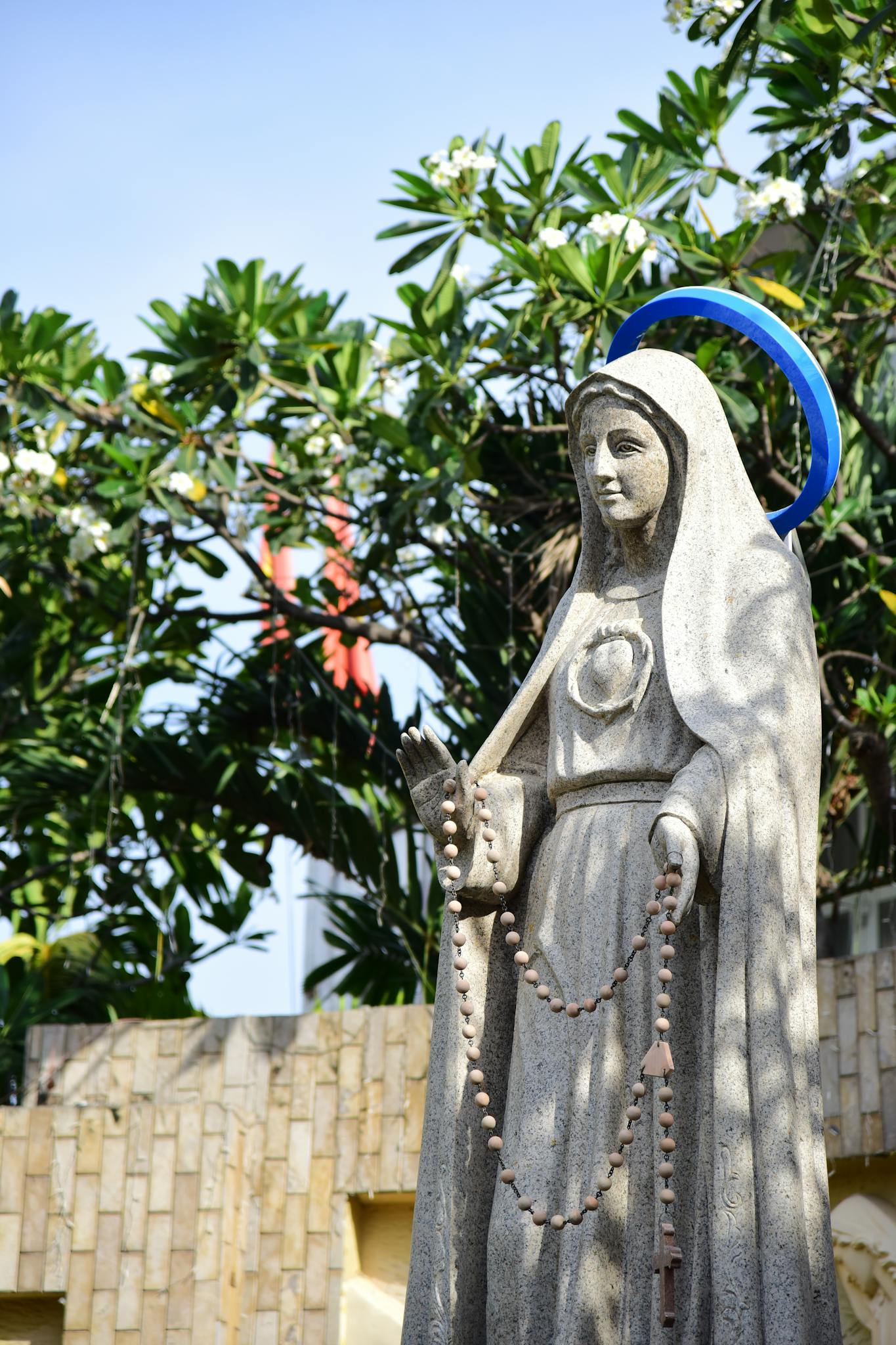
Who Was Saint Gervasio?
Saints
One of two brother-martyrs of Roman Milan whose relics, discovered by Saint Ambrose in 386, became one of the great events of the early Latin Church.
Saint Gervasio, more commonly known in English as Gervasius, was a layman martyred in Milan, Italy, in the third century, alongside his companion Protasius, traditionally regarded as his brother. Their martyrdom would have remained a purely local memory had their relics not been dramatically rediscovered in 386 by Saint Ambrose, bishop of Milan, an event Ambrose himself described in a letter that survives to this day.

Quick Facts
- Died: 3rd century, Milan, Italy
- Feast Day: June 19
- Venerated as: Layperson and martyr
- Patron of: Milan, haymakers
Who Was Saint Gervasio?
Almost nothing certain is known of Gervasius’s life before his martyrdom in Milan under one of the third-century persecutions. What made him historically significant was not his death alone but its rediscovery: in 386, guided by what he described as a vision, Ambrose located the forgotten remains of Gervasius and Protasius beneath a Milanese church, and their unexpected recovery, along with reported miraculous cures, became a major public event witnessed by Saint Augustine, who was in Milan at the time.
Historical Setting
Fourth-century Milan was, under Ambrose, one of the most important sees in the Western Church and a flashpoint in the struggle between Nicene Catholicism and Arian influence at the imperial court. The dramatic public discovery of the martyrs’ relics strengthened Ambrose’s standing and the Nicene cause at a politically delicate moment, making Gervasius one of the rare ancient martyrs whose cult is documented not by later legend but by a contemporary eyewitness bishop.
Why the Church Remembers Saint Gervasio
The Church remembers Gervasius for a martyrdom whose memory was providentially recovered by one of the great bishops of the patristic age, becoming, through Ambrose’s own account and Augustine’s later testimony in the Confessions, one of the best-attested relic discoveries of Christian antiquity.
Canonization and Feast Day
Ambrose’s own fourth-century letter describing the rediscovery of Gervasius’s relics is, in effect, the oldest possible confirmation of his cult; no later formal canonization process was ever needed for a martyr whose veneration a bishop of Ambrose’s stature had already publicly established in his own lifetime.
What Catholics Can Learn Today
That the memory of two humble Milanese martyrs could be lost and then providentially restored to public honor by one of the Church’s greatest bishops suggests that no act of fidelity is ever truly beyond God’s power to bring back into the light, however long it has been forgotten.
A Prayer to Saint Gervasio
Saint Gervasio, martyr whose hidden witness was brought back to light through Saint Ambrose, help us trust that no faithful act, however forgotten by others, is lost to God. Amen.
Sources
- Saint Ambrose, Letter 22 (on the discovery of the relics)
- Saint Augustine, Confessions IX
- Roman Martyrology
- Butler’s Lives of the Saints