
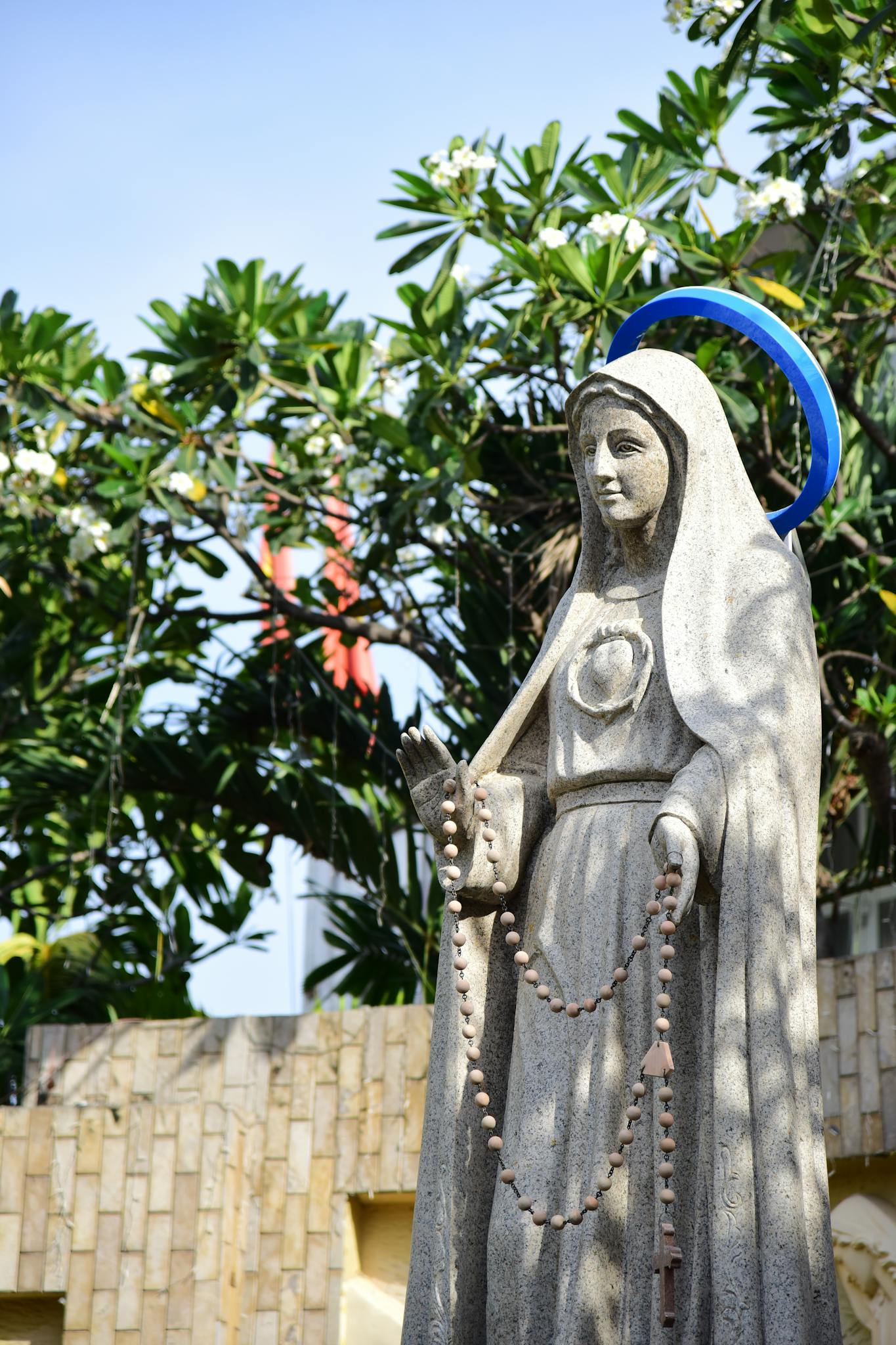
Saint Gerald of Aurillac
Saints

A powerful French count of the ninth century who governed his lands with justice, lived a near-monastic private life of prayer and fasting, and founded Aurillac Abbey.
Saint Gerald of Aurillac (c. 855–909) was a French nobleman, Count of Aurillac in the Auvergne region, who became one of the most celebrated medieval examples of lay sanctity exercised without ever entering religious life himself. Though he ruled extensive lands and led armed men, as was expected of a count of his era, he was remembered for extraordinary personal restraint: giving generously to the poor, refusing to shed blood even in battle when it could be avoided, observing long hours of prayer, and maintaining a private discipline of fasting and simplicity more typical of a monk than a warlord. Around 890 he founded a monastery at Aurillac, endowing it richly and placing it under the protection of the Holy See, and he died there or nearby on October 13, 909. His life was recorded soon afterward by the monastic reformer Saint Odo of Cluny, whose account made Gerald a lasting model of holiness for the nobility.
Quick Facts
- Born: c. 855, likely at the family castle near Aurillac, Auvergne, France
- Died: October 13, 909, Cézenac, France, at about 53 years old
- Feast Day: October 13
- Canonized: no formal canonization process; venerated locally from soon after his death, with his cultus later confirmed by long-standing tradition
- Patron of: Aurillac and the surrounding Auvergne region
Who Was Saint Géraud d’Aurillac?
Géraud, or Gerald, was born around the middle of the ninth century into a noble family of the Auvergne, in south-central France, and inherited the countship of Aurillac while still young, along with the military and political obligations that came with it in an age of Viking raids, feuding nobility, and a weakening Carolingian monarchy. According to the biography written within a generation of his death by Saint Odo, later abbot of Cluny, Gerald combined the outward life of a feudal lord with an inward discipline more commonly associated with monks: he prayed the divine office daily, fasted frequently, dressed simply beneath his noble garments, and devoted a large share of his revenues to alms for the poor and to pilgrims. He is remembered as reluctant to use armed force, reportedly instructing his men to fight with the flat of their swords rather than the edge whenever a conflict could be resolved without loss of life, and he made repeated pilgrimages to Rome. Around 890 he founded a Benedictine monastery at Aurillac dedicated to Saint Peter, endowing it generously and placing it directly under papal protection, a step that both secured its independence from local ecclesiastical politics and reflected his own personal piety. Later in life, according to tradition, failing eyesight limited his active governance, and he died at Cézenac on October 13, 909, while traveling; he was buried at the abbey he had founded, which became a center of his veneration.
Historical Setting
Gerald’s lifetime fell within a turbulent period of the early medieval West, as the Carolingian Empire fragmented into competing regional lordships and Viking incursions threatened much of France, leaving local counts like Gerald responsible for both defense and justice within their territories with little effective royal oversight. It was also an era in which the ideal of the Christian ruler — someone who wielded worldly power but subordinated it to religious duty and personal asceticism — held strong appeal, particularly as monastic reform movements associated with Cluny, founded in 910 just after Gerald’s death, sought to model a purer form of Christian life that could also inspire the laity. The final assessment of Gerald’s life should distinguish the securely attested facts — his countship, his founding of Aurillac Abbey, and his death in 909 — from the more idealized portrait offered by Odo of Cluny’s near-contemporary biography, which was written partly to hold Gerald up as a moral exemplar for the nobility of its own time.
Why the Church Venerates Saint Gerald of Aurillac
Gerald is venerated as one of the earliest and most influential examples of a layman, and specifically a man of political and military power, achieving recognized sanctity without becoming a monk or cleric. His life offered the Church a concrete answer to a pressing question of his age: whether it was possible to govern justly, wield the sword when necessary, and still live a genuinely holy life, and his biographer Odo of Cluny used his example precisely to argue that it was. He is honored, too, for his consistent care for the poor and his reluctance toward unnecessary violence, virtues considered remarkable in a class whose power rested largely on armed force, and for founding a monastery that endured as a center of prayer and learning long after his death.
Canonization and Feast Day
Gerald lived and died centuries before the Church developed its formal process for canonization, and his recognition as a saint arose instead from popular veneration at Aurillac, reinforced by Odo of Cluny’s widely circulated biography, which functioned as both spiritual literature and an informal case for his sanctity. His feast has traditionally been kept on October 13, the date given for his death.
What Catholics Can Learn Today
Gerald’s life speaks to anyone who holds authority, wealth, or responsibility over others, suggesting that these need not be obstacles to holiness but can become instruments of it when governed by humility, restraint, and genuine concern for the vulnerable. His example challenges the assumption that a demanding public role and a serious interior spiritual life are incompatible, and it invites modern readers in positions of influence to ask whether their own use of power reflects the same discipline and mercy he strove, however imperfectly, to practice.
A Prayer to Saint Gerald of Aurillac
Saint Gerald of Aurillac, who bore the weight of a count’s power without losing the humility of a servant of God, help me to carry whatever authority or responsibility I hold with justice and restraint. You who fasted and prayed in secret while ruling openly, teach me that a hidden discipline of the heart can shape even the most public of duties. Grant that I may deal gently with those weaker than myself, give generously from what I have been given, and seek peace before I seek victory. Pray for all who govern, command, or lead others, that they may govern as you did, in the fear of God and the love of neighbor. Amen.
Sources
- Saint Odo of Cluny, Vita Sancti Geraldi (Life of Saint Gerald of Aurillac)
- the Catholic Encyclopedia (New Advent)
- Encyclopaedia Britannica
- Butler’s Lives of the Saints