
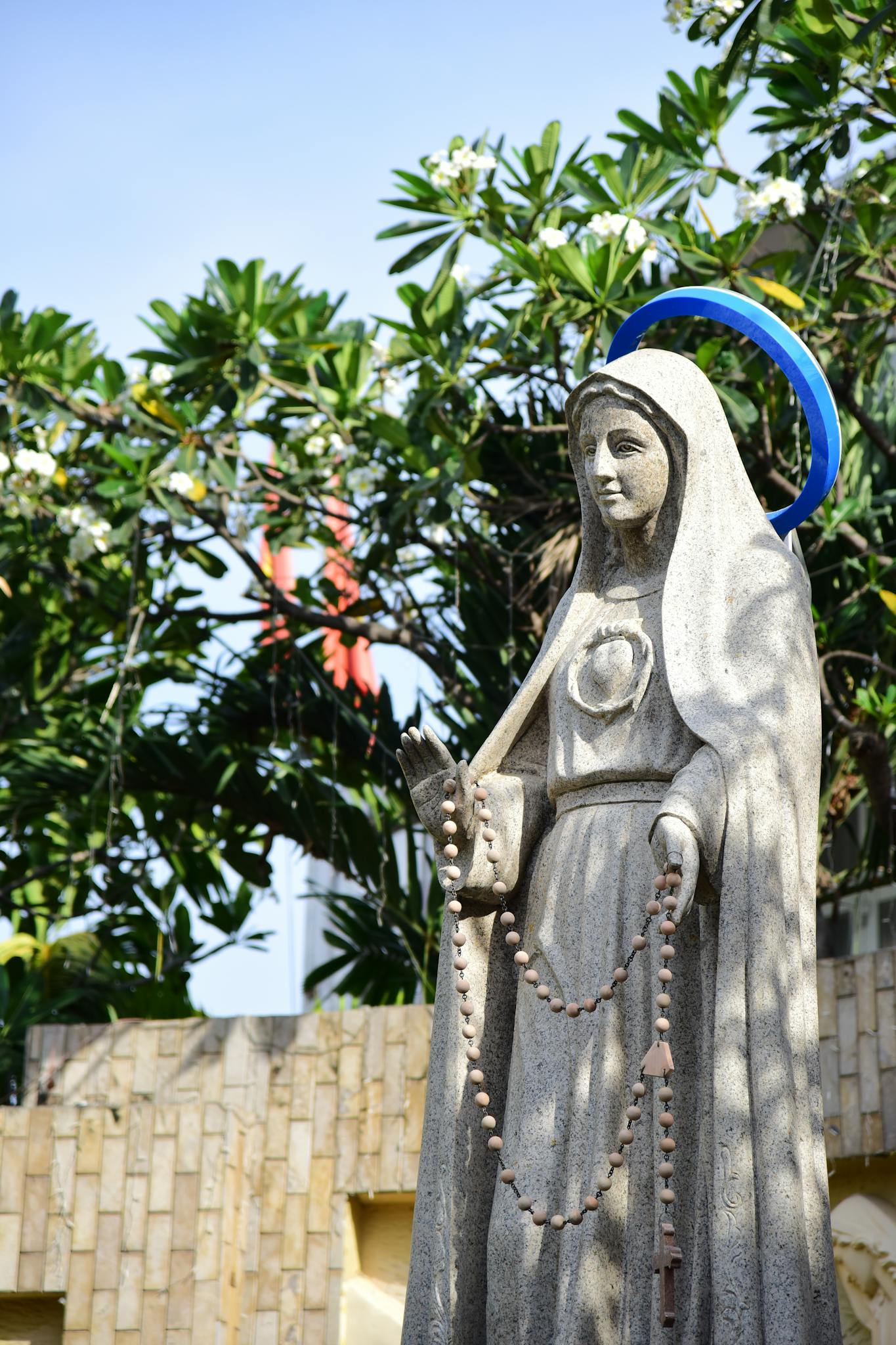
Who Was Saint Gerard of Csanád?
Saints
A Venetian monk who became first bishop of Csanád in Hungary under King Stephen I, martyred in 1046 during a pagan uprising after the king’s death.
Saint Gerard of Csanád was a Venetian-born bishop who served as first bishop of Csanád in Hungary from 1030 until his martyrdom on 24 September 1046 at Buda, at approximately sixty-six years of age. Invited to Hungary by King Stephen I to help establish the Church in the newly Christianized kingdom, he was killed during a violent pagan reaction that followed Stephen’s death, becoming one of medieval Hungary’s most revered martyr-saints.
Quick Facts
- Died: 24 September 1046, Buda, Hungary (age approximately 66)
- Role: Bishop of Csanád, Hungary (1030–1046)
- Origins: Italy (Venice)
- Canonized: 1083
Who Was Saint Gerard of Csanád?
Born in Venice and formed as a Benedictine monk, Gerard traveled to Hungary, reportedly on pilgrimage toward the Holy Land, and was persuaded by King Stephen I, Hungary’s first Christian king, to remain and help establish the Church in the still-young kingdom. Appointed the first bishop of the newly created see of Csanád in 1030, Gerard spent sixteen years building diocesan structures, educating clergy, and evangelizing a population only recently and still incompletely converted from its earlier pagan religion, until the political chaos following Stephen’s death in 1038 eventually erupted into a violent pagan backlash in which Gerard, along with several other bishops, was killed at Buda in 1046.
Historical Setting
King Stephen I’s reign had forged Hungary’s national conversion to Christianity, but that conversion remained fragile at the level of popular religion for decades afterward, and the succession crisis following his death opened space for a serious pagan reaction under the rebel leader Vata. Gerard and his fellow bishops, caught directly in this upheaval, were specifically targeted because of their central role in the very Christianization the rebellion sought to reverse — their deaths mark one of the last major violent pagan resistances to Christianity’s establishment in medieval Central Europe.
Why the Church Remembers Gerard of Csanád
The Church remembers Gerard as a foreign-born bishop who gave his adult life, and ultimately his life itself, to help root Christianity in a kingdom not his own — his writings, including a substantial theological commentary that survives, also mark him as one of medieval Hungary’s earliest and most significant Latin authors, alongside his practical work of diocesan governance and evangelization.
Canonization and Feast Day
Gerard of Csanád was canonized in 1083 by Pope Gregory VII, alongside King Stephen I himself and Stephen’s son Prince Emeric, in a joint canonization that formally recognized the founding generation of the Hungarian Church only a few decades after their deaths.
What Catholics Can Learn Today
Gerard left his homeland to help build the Church in a country still finding its Christian footing, and he stayed even as that footing grew visibly unstable around him. Catholics called to serve the Church far from home — missionaries, but also anyone who has relocated for the sake of ministry or vocation — can find in Gerard’s steady sixteen years of service, and his final faithfulness even to death, real encouragement for their own commitment.
A Prayer to Saint Gerard of Csanád
Saint Gerard of Csanád, who left home to build up the Church in a land not your own, and gave your life when that work grew dangerous, strengthen missionaries and all who serve far from familiar ground today. Amen.
Sources
- Vatican.va, canonization records (1083)
- New Advent Catholic Encyclopedia, ‘St. Gerard’ and ‘Hungary’
- Butler’s Lives of the Saints, revised edition