
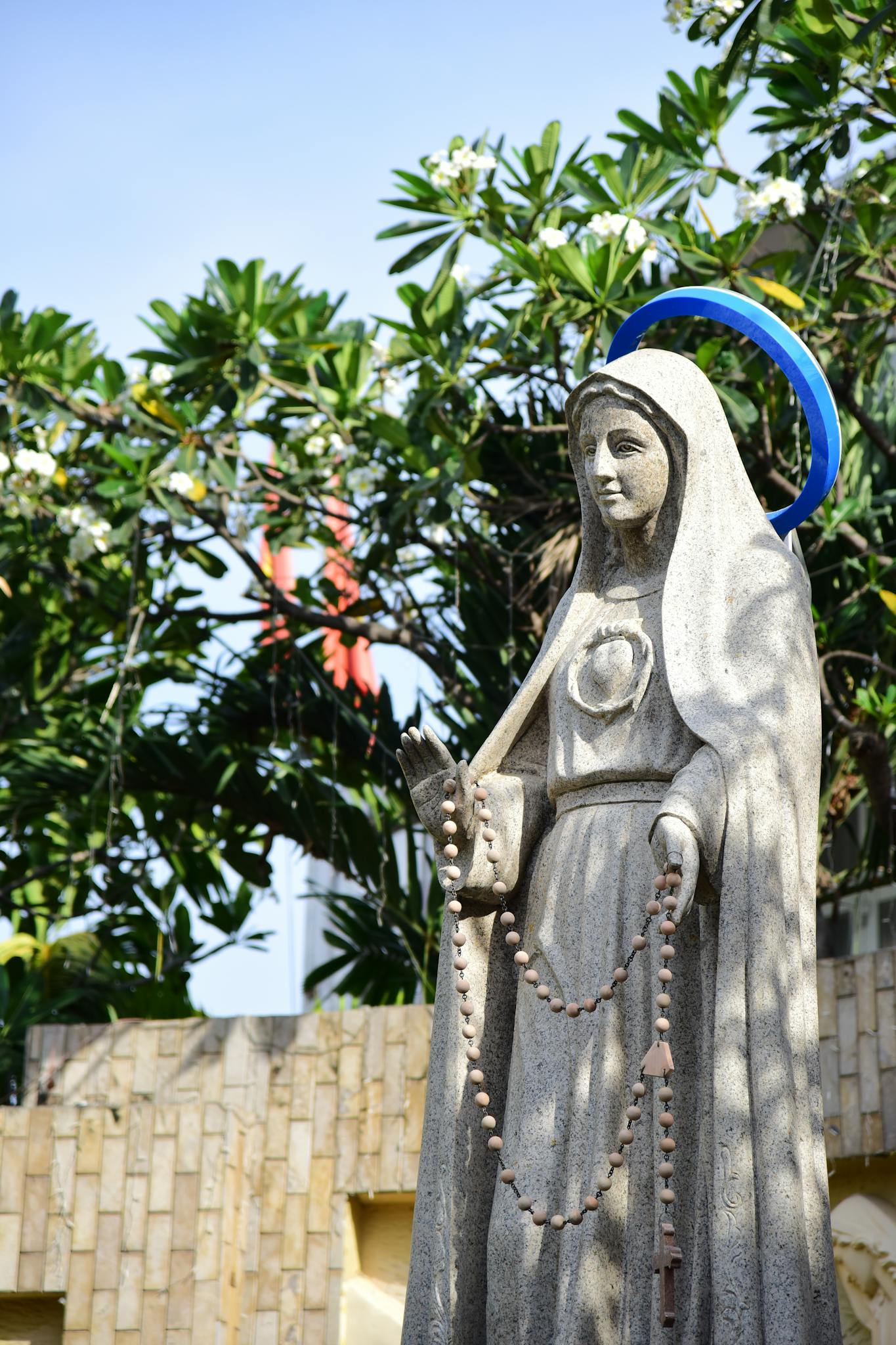
Saint Geltrude Comensoli
Saints
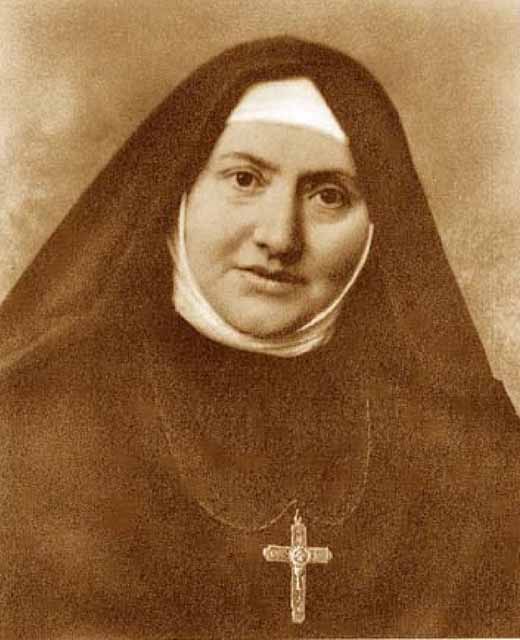
An Italian laywoman turned religious founder, Geltrude Comensoli established the Sisters of the Blessed Sacrament in Bergamo to center consecrated life on Eucharistic adoration.
Saint Geltrude Comensoli (1847–1903) was an Italian religious foundress from the region of Brescia who, from a young age, felt drawn to a vocation combining active religious life with sustained Eucharistic adoration, an aspiration that took institutional shape on December 15, 1882, when, together with Father Francesco Spinelli, she founded the Institute of the Sisters of the Blessed Sacrament in Bergamo, with the encouragement of the local bishops of Bergamo. The new congregation was distinguished by its combination of perpetual adoration of the Blessed Sacrament with active works of charity and education, a balance that reflected Geltrude’s own conviction that contemplative devotion to the Eucharist should overflow into concrete service of others. She governed the growing institute through years of financial hardship and institutional difficulty, including the bishop’s 1889 decision to remove Father Spinelli from the community’s direction, but she herself remained at its head, faithful to its founding spirit, until her death in Bergamo on February 18, 1903. She was canonized by Pope Benedict XVI on April 26, 2009.
Quick Facts
- Born: January 18, 1847, Bienno, in the province of Brescia, Italy
- Died: February 18, 1903, Bergamo, Italy, at about 56 years old
- Feast Day: February 18
- Canonized: April 26, 2009, by Pope Benedict XVI
- Patron of: the Institute of the Sisters of the Blessed Sacrament (Sacramentine Sisters)
Who Was Saint Geltrude Comensoli?
Geltrude Comensoli was born in 1847 in the town of Bienno, in the mountainous province of Brescia in northern Italy, into a modest family, and from her youth she felt a strong attraction to religious life centered specifically on devotion to the Eucharist, a desire that did not fit easily into the existing religious congregations of her time and place. She spent time working and living among laypeople, including a period of employment that exposed her to the working conditions of ordinary Italian laborers, an experience that would later shape her sense that consecrated life should combine deep contemplative prayer with real, practical engagement in charitable and educational work rather than withdrawal from the world’s needs. Her ambition to found a community dedicated to perpetual adoration of the Blessed Sacrament took shape after she met Father Francesco Spinelli, a priest already engaged in promoting Eucharistic adoration, and together, with the encouragement of the bishops of Bergamo, Pietro Luigi Speranza and his successor Gaetano Guindani, they founded the Institute of the Sisters of the Blessed Sacrament, popularly known as the Sacramentine Sisters, in Bergamo on December 15, 1882. The new institute’s members combined structured hours of Eucharistic adoration with active ministries, particularly education and care for the poor, believing that sustained contemplation of Christ present in the Eucharist should naturally overflow into charity toward others. The community’s early years were marked by real financial difficulty, and in 1889 the bishop of Bergamo, amid these hardships and disputes over governance, removed Father Spinelli from his role directing the sisters; he went on to found a separate Eucharistic congregation of his own in the Diocese of Cremona. Geltrude, by contrast, remained at the head of the Bergamo institute she had co-founded, guiding it through the difficult transition and continuing to shape its life and mission; the community received formal canonical recognition from the Bishop of Lodi in 1891. She spent her final years in Bergamo, faithful to the Eucharistic spirituality that had defined her whole religious life, until her death there on February 18, 1903.
Historical Setting
Geltrude’s life unfolded during a period of renewed Eucharistic devotion across the nineteenth-century Catholic Church, part of a broader movement encouraged by figures such as Saint Peter Julian Eymard, founder of the Congregation of the Blessed Sacrament, and reflected in the proliferation of new religious institutes dedicated specifically to adoration of the Eucharist during this era. Her work also took shape amid the social and economic transformations of industrializing northern Italy, where growing concern for the moral and material welfare of factory workers and the urban poor shaped the charitable and educational activities that many new congregations, including her own, took up alongside their primary contemplative or devotional purpose.
Why the Church Venerates Saint Geltrude Comensoli
Geltrude is venerated for her single-minded devotion to the Eucharist as the animating center of an entire way of consecrated life, founding a congregation structured specifically to ensure that Christ’s presence in the Blessed Sacrament would be continuously adored even as her sisters carried out active works of charity and teaching. She is honored, too, for the steadiness with which she carried the young institute through a period of real institutional turmoil, including the loss of its co-founder from its governance, without allowing the community’s mission or unity to unravel, a witness to quiet, persevering leadership in the face of hardship.
Canonization and Feast Day
Geltrude was beatified by Pope John Paul II on October 1, 1989, and canonized by Pope Benedict XVI on April 26, 2009, in a ceremony in Rome that also canonized Arcangelo Tadini, Bernardo Tolomei, Nuno de Santa Maria Álvares Pereira, and Caterina Volpicelli. Her feast is kept on February 18, the anniversary of her death in Bergamo, and is observed with particular devotion within the Sisters of the Blessed Sacrament, who continue her charism of Eucharistic adoration combined with active charity today.
What Catholics Can Learn Today
Geltrude’s conviction that time spent in silent adoration before the Eucharist should translate directly into practical charity toward the poor and uneducated offers a model of spirituality that refuses to separate contemplative prayer from concrete service, a needed integration in any age tempted to treat the two as competing rather than complementary goods. Her steady governance of the young institute through the loss of its co-founder and through real financial hardship, without letting the community fracture or lose its sense of purpose, is a quiet lesson in the kind of patient, unglamorous leadership that holds a good work together when its founding circumstances change.
A Prayer to Saint Geltrude Comensoli
Saint Geltrude Comensoli, lover of the Eucharist, who found in silent adoration the strength for active charity, teach me to let time before the Blessed Sacrament shape how I treat the people I meet each day. You who held your young community together through hardship and upheaval without losing heart, help me hold my own labors and disappointments with the same steady trust. You who saw Christ’s presence as reason enough for a whole life of devotion, deepen my own reverence for the Eucharist. Pray that adoration and service may never be separated in my heart, as they were not in yours. Amen.
Sources
- Vatican.va, biography of Saint Geltrude Comensoli
- the Institute of the Sisters of the Blessed Sacrament (Sacramentine Sisters), congregational history
- Encyclopaedia Britannica
- the Diocese of Bergamo, local hagiographic tradition