
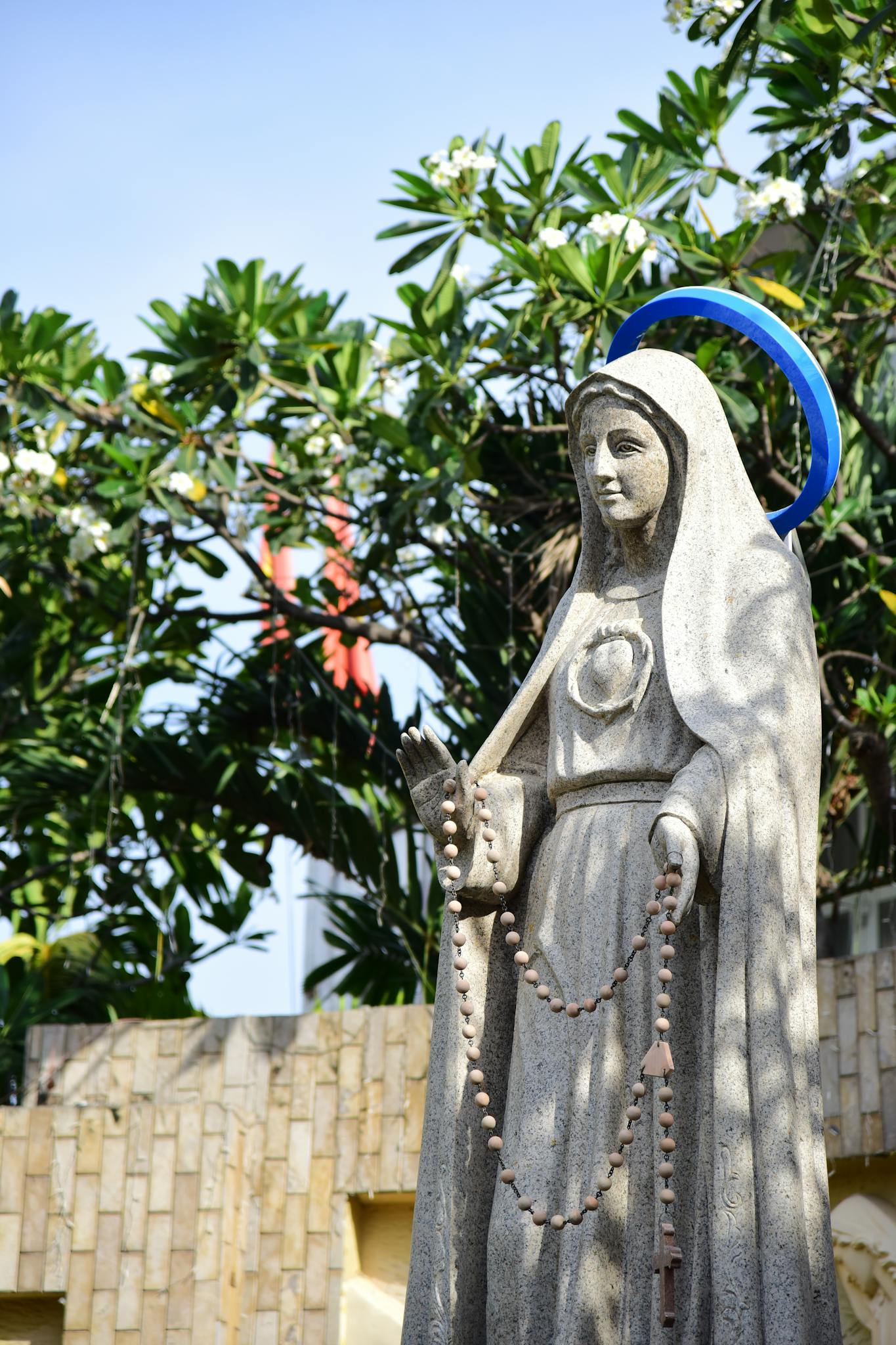
Who Was Saint Felicita di Capua?
Saints
A brief look at Saint Felicita di Capua, a layperson martyred around the year 250 at Capua, Italy, venerated in the Church’s ancient calendar of saints.
Saint Felicita di Capua was a layperson of Italy who was martyred for the Christian faith, around the year 250 at Capua, Italy, alongside Saint Agostino di Capua. The surviving historical record is brief, giving only this essential outline, but the Church has preserved the memory of Saint Felicita di Capua’s fidelity through its ancient liturgical tradition, honoring a life whose full story was never written down.
Quick Facts
- Died: c. 250 (Capua, Italy)
- Venerated as: Martyr
- Companion of: Saint Agostino di Capua
Who Was Saint Felicita di Capua?
Saint Felicita di Capua appears in the tradition as a layperson of Italy, with a death recorded around the year 250 at Capua, Italy, alongside Saint Agostino di Capua. The Church has preserved this much through liturgical memory even where a fuller biography was never written down or has since been lost.
Historical Setting
Understanding a time when Christianity was still an illegal and often persecuted faith within the Roman Empire helps set Saint Felicita di Capua’s life in context, even though the sources give us only a place, an approximate date, and a role. This honest gap is normal for the period rather than a sign that the record is unreliable.
Why the Church Remembers Saint Felicita di Capua
Saint Felicita di Capua’s claim on the Church’s memory rests on the single, sufficient fact of martyrdom, in the company of Saint Agostino di Capua. This is the honest core of the devotion: a layperson whose fidelity, however sparsely documented, was judged by the local Christian community worth remembering and handing on.
Canonization and Feast Day
There is no dated canonization act for Saint Felicita di Capua. As with the great majority of ancient saints, sainthood here was recognized by the Church through age-old local devotion rather than through the formal juridical process that developed only in the second millennium.
What Catholics Can Learn Today
The brevity of Saint Felicita di Capua’s record is itself a kind of lesson: sanctity does not require achievement or renown to be authentic. A single act of faithfulness, even one preserved only as a name and a place, was enough for the Church to remember.
A Prayer to Saint Felicita di Capua
Saint Felicita di Capua, whose witness the Church still keeps though so little else of your story survives, obtain for us the grace of quiet, steadfast courage. Amen.
Sources
- Roman Martyrology
- Butler’s Lives of the Saints
- New Advent Catholic Encyclopedia (general entries on the period)