
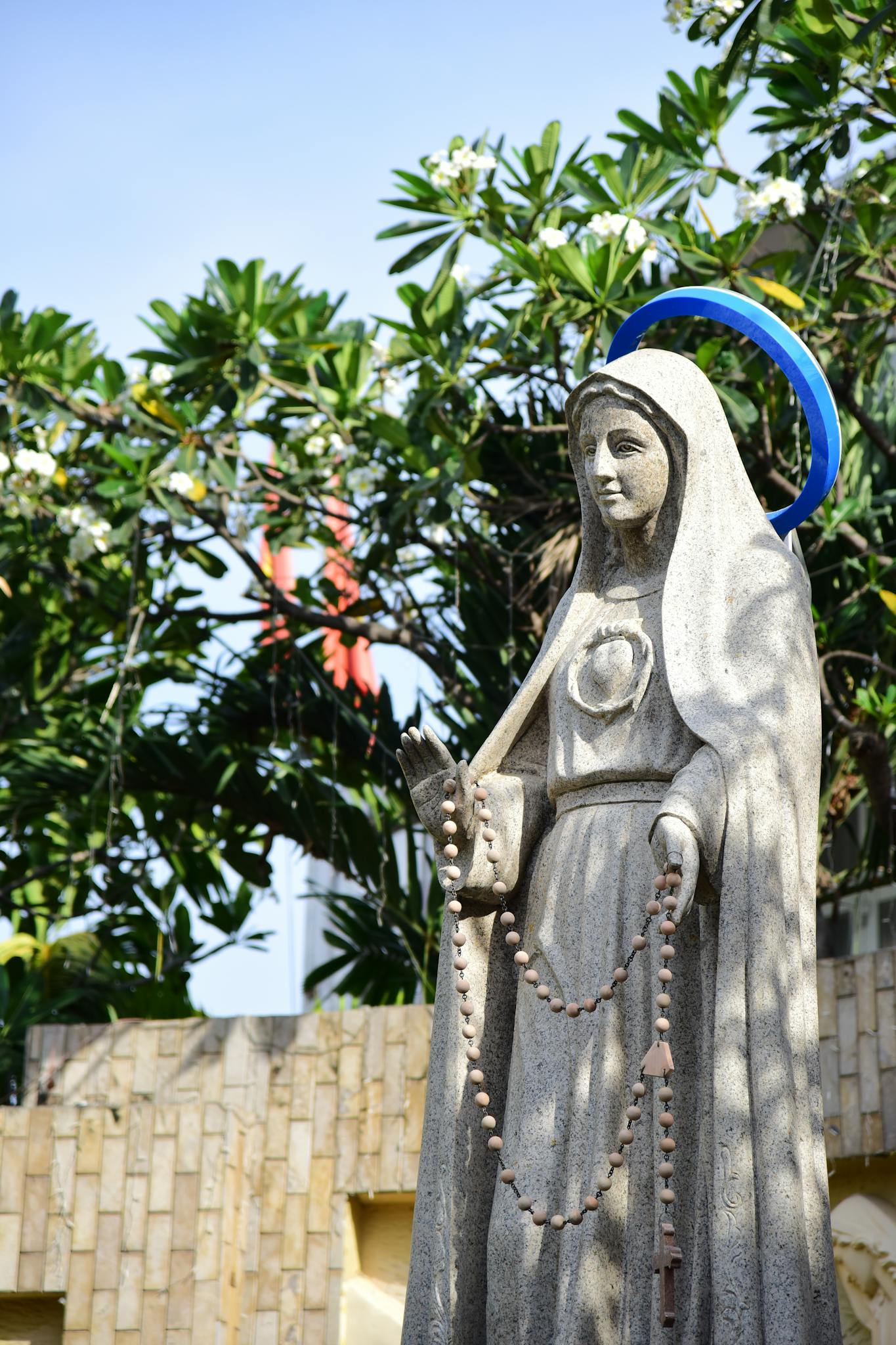
Who Was Saint Faustino (Rome, III century)?
Saints
In Italy, a lay martyr named Faustino (Rome, III century) died around the 3rd century, remembered ever since in a short, honest record.
The name Saint Faustino (Rome, III century) is tied, in the Church’s records, to a lay martyr in Italy, a death dated to the 3rd century, and a place, Rome, Italy. There is no canonization record on file; this is an ancient cult, carried forward by the liturgy across many generations rather than by any papal decree.
Quick Facts
- Died: III century? (uncertain), Rome, Italy
- Venerated: ancient local cult, received by the universal Church
- Region of veneration: Italy
Who Was Saint Faustino (Rome, III century)?
Little beyond the essential facts survives concerning Saint Faustino (Rome, III century): identified as a lay martyr, connected to Italy, and dated to the 3rd century at Rome, Italy. The record adds that this saint is recorded as brother of Saint Simplicio and Saint Viatrice. The Church’s memory here rests on that short, honest inventory rather than on any fuller narrative.
Historical Setting
In the period assigned to Saint Faustino (Rome, III century), roughly the 3rd century, Christianity held no legal status in the Roman world; adherence to it could be treated as a capital crime under existing statutes against unlicensed religion, at a magistrate’s discretion. Italy was one of many provinces where such prosecutions occurred sporadically rather than continuously, consistent with the sparse record surviving here.
Why the Church Remembers Saint Faustino (Rome, III century)
Nothing beyond a martyrdom, placed at the 3rd century in Rome, Italy, explains why the Church still honors Saint Faustino (Rome, III century). That is not a limitation of the record but its entire content: fidelity to Christ, chosen over survival, and judged by the local church to be enough.
Canonization and Feast Day
Saint Faustino (Rome, III century)’s cult was never subject to a formal canonization inquiry, as is true of most saints from this period; the process itself is a later development of Church law. What stands in its place is centuries of unbroken local veneration — the form sainthood took before Rome centralized the procedure — received and carried forward by the wider Church.
What Catholics Can Learn Today
The communion of saints does not require equal fame among its members. Saint Faustino (Rome, III century), known today by little more than a name and a place, stands in the same company as the Church’s most celebrated figures — a reminder that sanctity is measured by fidelity, not by the size of the surviving record.
A Prayer to Saint Faustino (Rome, III century)
Saint Faustino (Rome, III century), held in the Church’s memory though history preserved so little of your story, you gave everything rather than deny the Lord who first gave everything to you. Pray that we may learn, in ways proportioned to our own lives, that same costly loyalty. Amen.
Sources
- Roman Martyrology, entry for this date
- Acta Sanctorum (Bollandist collection), as summarized in standard hagiographic reference works
- New Advent Catholic Encyclopedia