
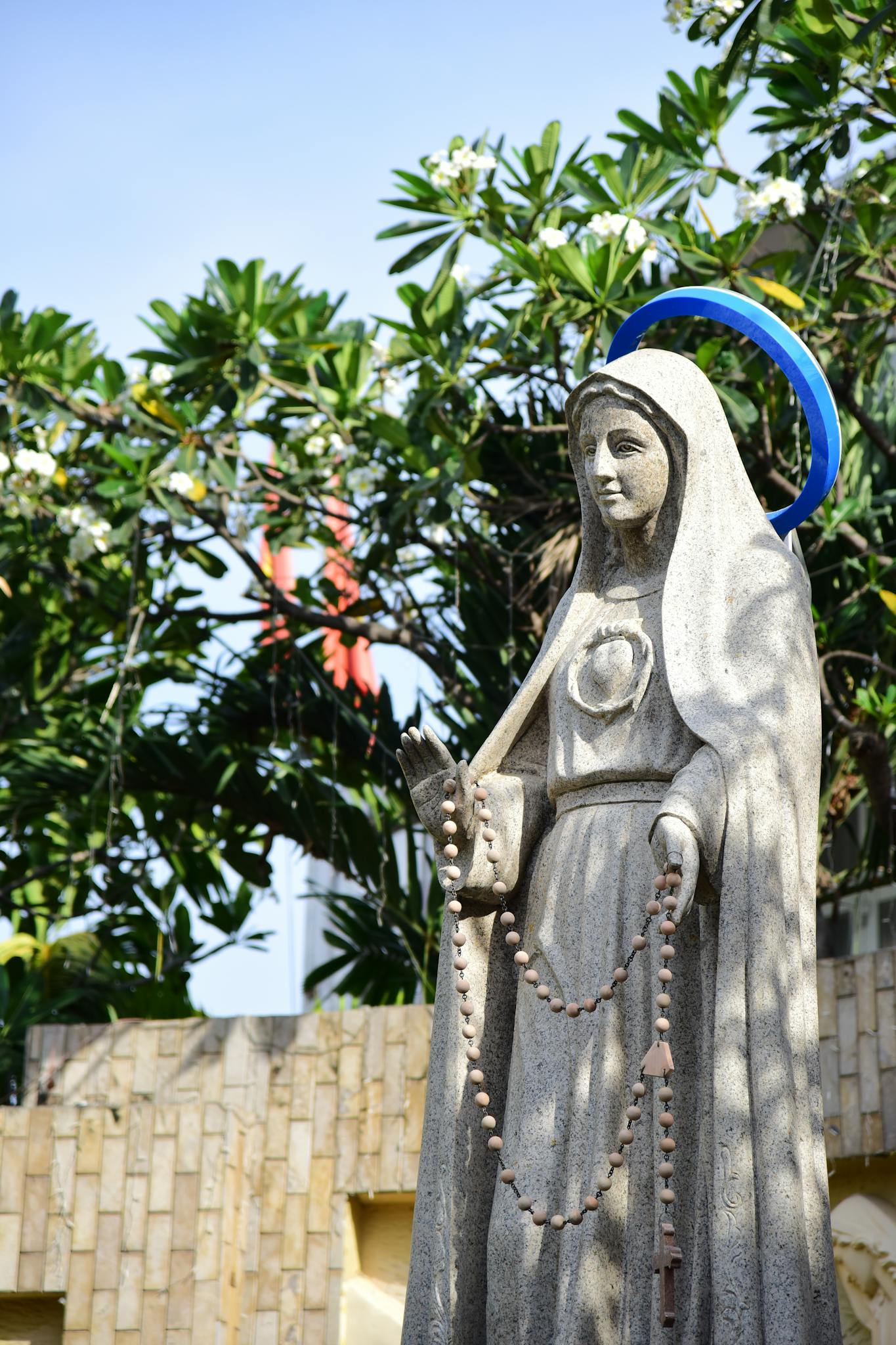
Who Was Saint Ewald the Black?
Saints
Saint Ewald the Black’s witness as a priest traces to around AD 692 in Germany, preserved in outline rather than detail.
History preserves only an outline of Saint Ewald the Black: priest, Germany, around AD 692, Old Saxony, Germany, and nothing certain beyond it. No formal canonization process exists in the record. The Church’s continued honor for this name rests on ancient custom, not on a modern juridical inquiry.

Quick Facts
- Died: 692? (traditional date), Old Saxony, Germany
- Venerated: ancient local cult, received by the universal Church
- Region of veneration: Germany
Who Was Saint Ewald the Black?
Saint Ewald the Black appears in the Church’s ancient records as a priest, tied to Germany and dated to around AD 692. The written trace is genuinely thin: a name, a place (Old Saxony, Germany), and the fact of the witness itself. The record adds that this saint is an English-born missionary priest, so called for his darker hair, who went with his companion of the same name to preach among the still-pagan Saxons. Nothing beyond this can be honestly claimed of the individual’s life.
Historical Setting
By around AD 692, the world Saint Ewald the Black inhabited had changed dramatically from the old Roman order: political power in Germany now rested with new Germanic or Frankish rulers, even as the Church continued its work of evangelization and consolidation. Records from this transitional century are notoriously thin, surviving chiefly through liturgical memory rather than administrative documentation.
Why the Church Remembers Saint Ewald the Black
Ordained ministry in Germany during the period assigned to Saint Ewald the Black, around AD 692, carried a visible, public identity that made clergy easy targets during outbreaks of persecution. This witness’s memory is kept precisely because that exposure, at Old Saxony, Germany, was accepted rather than evaded.
Canonization and Feast Day
The record shows no formal beatification or canonization for Saint Ewald the Black. This is not a gap to apologize for: sainthood of this kind was recognized through ancient and immemorial custom, a community’s own sustained memory expressed in the liturgy, long predating the juridical machinery that later governed such causes.
What Catholics Can Learn Today
What can be learned from a record this brief is, in part, about the limits of memory itself: not every act of faithfulness gets written down, and the Church’s calendar is honest enough to preserve the gaps rather than paper over them. Saint Ewald the Black’s witness endures not because it was documented in full, but because it was received and kept by others.
A Prayer to Saint Ewald the Black
Saint Ewald the Black, whose steadfastness outlasted every detail the world forgot to keep, you served the people entrusted to your care with a fidelity this world barely recorded but heaven did not forget. Pray for all who serve the Church quietly today, that they may be sustained in ministry that goes unseen and unpraised. Amen.
Sources
- Roman Martyrology, entry for this date
- Acta Sanctorum (Bollandist collection), as summarized in standard hagiographic reference works
- New Advent Catholic Encyclopedia