
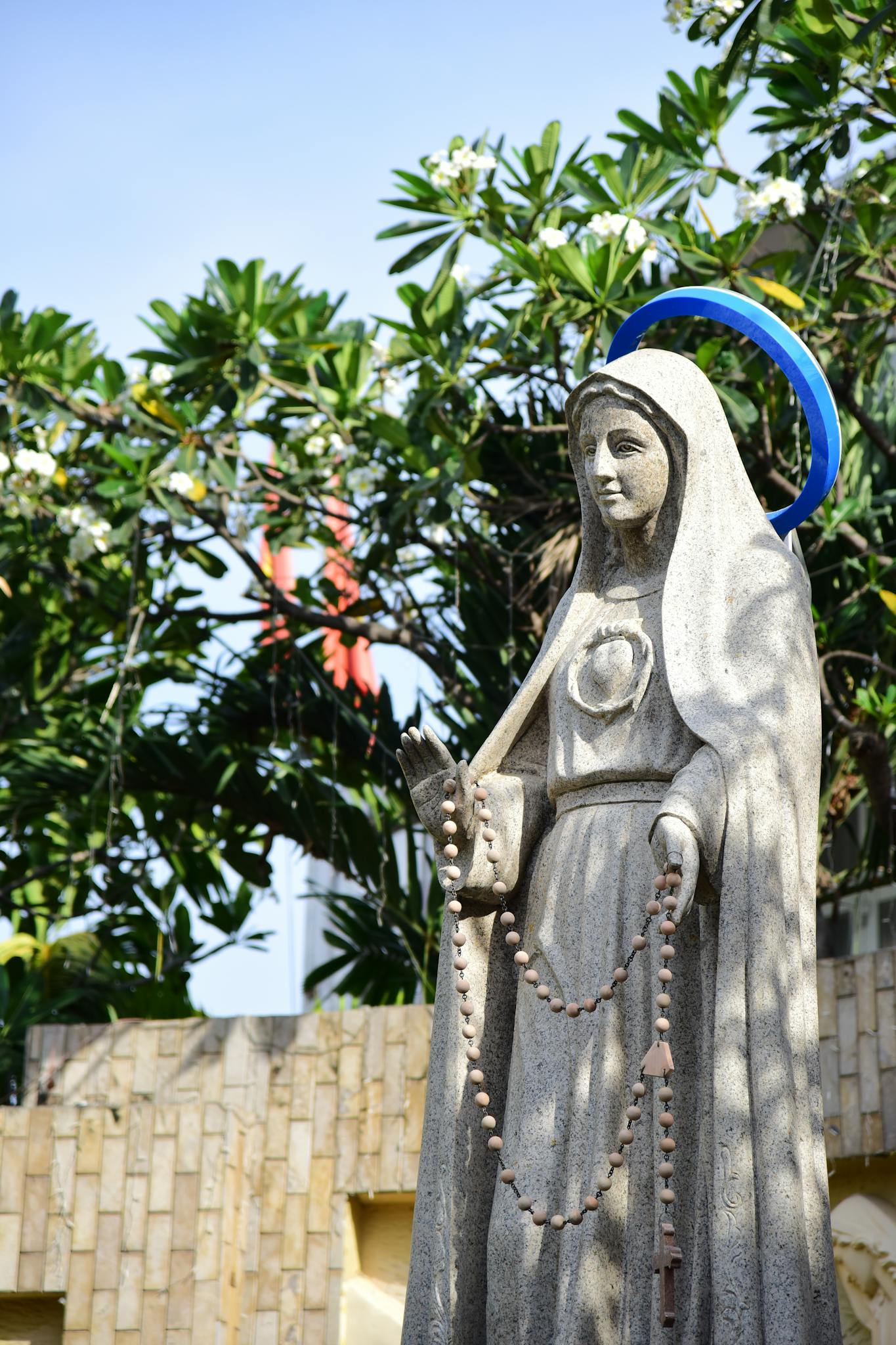
Saint Étienne de Thiers
Saints

Also known as Stephen of Muret, this eleventh-century nobleman turned hermit founded the austere Order of Grandmont, insisting his followers needed no rule but the Gospel itself.
Saint Étienne de Thiers, also known in English as Stephen of Muret, was born around 1046 into a noble family of the Auvergne and, after an illness-driven stay in southern Italy exposed him to Calabrian hermits living in radical poverty, returned to France determined to live the same way. He settled as a hermit near Muret, outside Limoges, and drew a growing circle of disciples who shared his commitment to strict poverty, manual silence, and dependence on providence rather than fixed income or landholding. He deliberately refused to found a formal religious order during his lifetime, insisting his followers had no rule beyond the Gospel and the teaching of the apostles, and he remained a deacon rather than seeking priestly ordination. After his death in 1124, his community relocated to Grandmont and organized itself as the Order of Grandmont, later codifying his teachings into a formal rule. He was canonized in 1189.
Quick Facts
- Born: c. 1046, Thiers, Auvergne, France
- Died: February 8, 1124, Muret, near Limoges, France
- Feast Day: February 8
- Canonized: 1189 by Pope Clement III
- Patron of: the Order of Grandmont
Who Was Saint Étienne de Thiers?
Étienne de Thiers was born around 1046 to a noble family of the Auvergne region of France. According to tradition, illness in his youth led his family to send him to southern Italy, where he encountered a community of hermits in Calabria living in extreme, deliberate poverty and simplicity, a way of life that impressed him deeply and shaped the direction of his own vocation. Returning to France, he was ordained a deacon but chose never to advance to the priesthood, and around 1076 he withdrew to a solitary hermitage in the forest of Muret, near Limoges, seeking a life stripped of possessions and status. Word of his holiness drew other men to join him, and over the following decades a genuine community formed around his hermitage, though Étienne resisted efforts, including pressure from Church authorities, to organize it formally as a religious order with its own written rule and institutional structure. He insisted that the only rule his followers needed was the Gospel itself, interpreted through the teaching and example of the apostles, and he lived out this conviction in a life of severe poverty, silence, and manual labor until his death at Muret on February 8, 1124. Only after his death did his disciples, forced by circumstance to relocate their growing and increasingly vulnerable community, settle at Grandmont and gradually formalize what became known as the Order of Grandmont, drawing on sayings and teachings attributed to Étienne to compose its written rule.
Historical Setting
Étienne’s life coincided with a period of intense monastic reform across Western Christendom, often associated with the broader movement of church renewal historians call the Gregorian Reform, which pressed for greater discipline, independence from lay control, and evangelical authenticity within religious life. His own decades roughly overlapped with the founding of other new reformed orders seeking a return to strict poverty and simplicity, including the Carthusians and the Cistercians, all responding to a widespread sense that established Benedictine monasticism had grown too comfortable and entangled with feudal wealth. The Limousin region where Étienne settled was, like much of France at the time, dotted with older monasteries whose landed wealth and political entanglements stood in sharp contrast to the deliberately propertyless life he and his hermit companions pursued.
Why the Church Venerates Saint Étienne de Thiers
The Church honors Étienne as a founder whose radical commitment to evangelical poverty anticipated and paralleled the mendicant movements that would flourish more than a century later with Francis of Assisi and Dominic de Guzman. His insistence that a rule of life should be nothing more than fidelity to the Gospel, rather than an elaborate constitution, represented a genuinely distinctive theological instinct within the crowded landscape of medieval monastic reform. He is also venerated for the personal humility of a nobleman who chose extreme material simplicity and remained a deacon by preference, and for the durable spiritual legacy his hermit community left behind in the Order that took his teaching, if not his exact words, as its foundation.
Canonization and Feast Day
Étienne de Thiers was canonized in 1189 by Pope Clement III, some sixty-five years after his death, following the growth of an established cultus centered on Grandmont and the wider order that traced its origin to him. This is a comparatively rapid canonization for the period, reflecting the order’s own advocacy and the durability of his reputation for holiness among those who had known him or received his teaching secondhand. His feast is celebrated on February 8, the date of his death.
What Catholics Can Learn Today
Étienne’s refusal to formalize an order during his own lifetime, insisting instead on simple fidelity to the Gospel, is a useful challenge to the instinct to measure spiritual seriousness by institutional structure. His example suggests that authentic religious life begins in personal conversion and consistent practice, not in constitutions and organizational charts, even though those things may eventually become necessary to preserve a charism after a founder’s death. For readers today, his life models a trust that genuine holiness, lived faithfully and without concern for permanence, tends to generate its own lasting structures in due course, often carried forward by others rather than by the founder’s own planning.
A Prayer to Saint Étienne de Thiers
Saint Étienne, hermit of Muret, who needed no rule but the Gospel to guide your life of poverty and prayer, teach me to trust simplicity over complexity and fidelity over control. You gave away comfort and standing to seek God alone in the forest; help me to release what I cling to out of fear rather than love. Pray for all who seek to reform their lives toward the Gospel’s plain demands, that we may find, as you did, that less is often more than enough. Amen.
Sources
- the Catholic Encyclopedia (New Advent)
- Butler’s Lives of the Saints
- the historical records of the Order of Grandmont
- the Roman Martyrology