
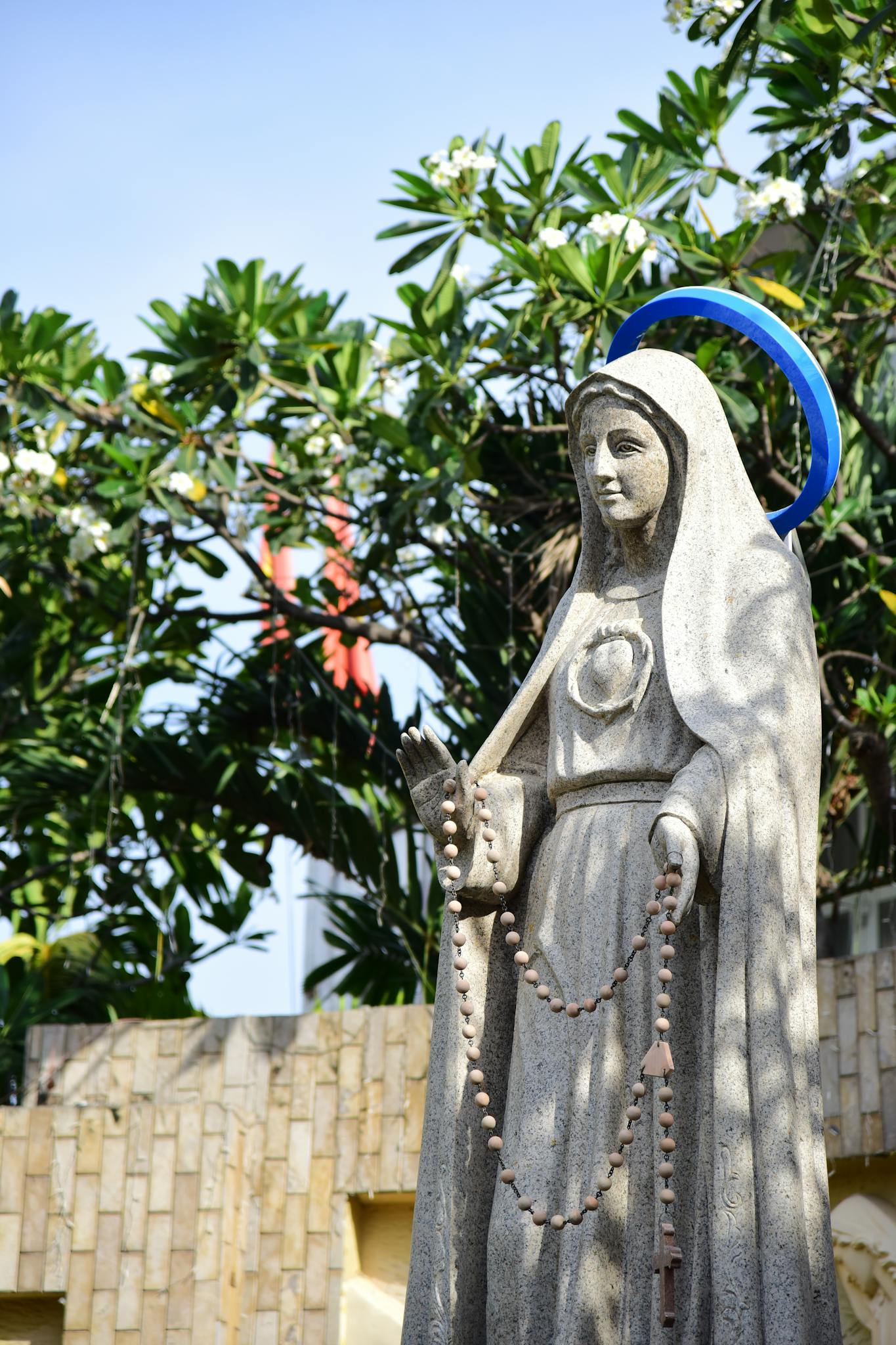
Who Was Saint Erastus of Corinth?
Saints
A first-century disciple of Saint Paul and city official of Corinth named in the Epistle to the Romans.
Saint Erastus of Corinth was a layman and disciple of Saint Paul, named in the Epistle to the Romans as an official of the city of Corinth, in Greece, in the first century. He is among the small number of Paul’s named associates whose civic office is directly recorded in Scripture.

Quick Facts
- Era: 1st century AD, Corinth, Greece
- Venerated as: Layman, disciple of Saint Paul
- Scriptural record: Romans 16:23
Who Was Saint Erastus of Corinth?
Erastus appears in Paul’s letter to the Romans, sent from Corinth, where Paul closes with greetings including “Erastus, the city treasurer” (or, in some translations, “director of public works”), suggesting he held a genuine civic office in Corinth’s Roman administration while also serving as a companion of Paul’s ministry. A figure named Erastus also appears in Acts 19:22 and 2 Timothy 4:20 as one of Paul’s assistants, traditionally, though not certainly, identified with the same man.
Historical Setting
Corinth was a major Roman colony and commercial hub, and the discovery of an inscribed pavement there bearing the name of an Erastus who served as a Roman civic official (aedile) has long interested scholars as possible corroborating evidence, even though its exact connection to the biblical Erastus remains debated among historians.
Why the Church Remembers Saint Erastus of Corinth
The Church remembers Saint Erastus of Corinth as an example of a layman who held real public office in Roman civic life while also serving Christ’s Church — a reminder that discipleship in the earliest Christian generation was not confined to those outside ordinary civic responsibility.
Canonization and Feast Day
As a New Testament figure, Erastus has no modern canonization date; his veneration rests on his place in Scripture and the Church’s ancient liturgical memory of him as one of Paul’s named companions.
What Catholics Can Learn Today
Erastus’s position as both a Roman civic official and a committed disciple of Paul is a reminder that faith and public responsibility are not opposed, and that Christians holding office in the wider world have a long, scripturally attested precedent for doing so faithfully.
A Prayer to Saint Erastus of Corinth
Saint Erastus of Corinth, disciple of Saint Paul and servant of your city, you showed that public office and discipleship can be held together faithfully. Guide Christians who serve in civic life today to do so with the same integrity. Amen.
Sources
- Romans 16:23; Acts 19:22 (Sacred Scripture)
- New Advent Catholic Encyclopedia
- Butler’s Lives of the Saints