
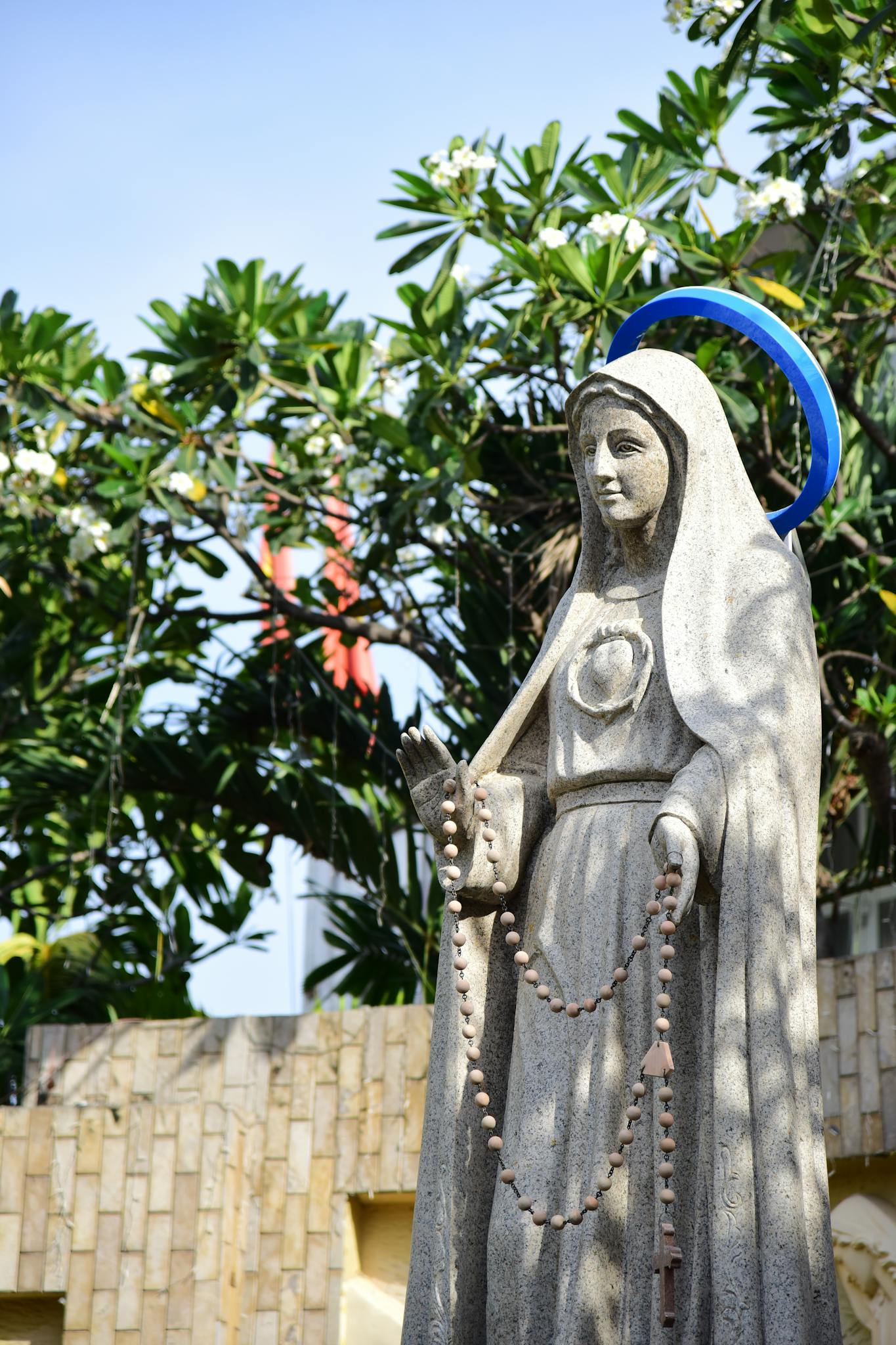
Saint Colette of Corbie
Saints

A French reformer of the Poor Clares who restored strict Franciscan poverty to dozens of convents across France and Flanders amid the turmoil of the late medieval Church.
Saint Colette de Corbie, born in Picardy in 1381, tried life as a hermit before receiving what she understood as a call to restore the Poor Clares to the strict poverty Clare of Assisi had originally intended. Authorized in 1406 to pursue this reform, she personally founded seventeen new convents and reformed many existing houses across France, Flanders, and Burgundy over four decades, working amid the chaos of the Hundred Years’ War and the Western Schism that divided papal loyalties. The reformed communities that followed her became known as the Colettine Poor Clares, a branch of the order still active today. She died in Ghent in 1447 and was canonized in 1807 by Pope Pius VII. Her feast is kept on March 6.
Quick Facts
- Born: January 13, 1381, Corbie, France
- Died: March 6, 1447, Ghent, Belgium
- Feast Day: March 6
- Canonized: 1807 by Pope Pius VII
- Patron of: expectant mothers and sick children; women seeking to conceive
Who Was Saint Colette of Corbie?
Colette Boilet was born in 1381 in Corbie, a town in Picardy in northern France, the daughter of a carpenter employed by the local Benedictine abbey. Orphaned by her late teens, she tried several forms of religious life — first as a Franciscan tertiary, then briefly as a solitary hermit walled into a small cell attached to the church at Corbie — before experiencing what she understood as a call to reform the Order of Poor Clares, which had drifted in many houses from the strict poverty Clare of Assisi had originally insisted upon. In 1406 she obtained authorization, remarkably, directly from the Avignon claimant to the papacy, Benedict XIII, during the confusion of the Western Schism, to found and reform convents according to Clare’s original, unmitigated rule. Over the following four decades she personally founded seventeen new convents and reformed many existing ones across France, Savoy, Flanders, and Burgundy, insisting on strict poverty, enclosure, and simplicity even as she navigated the political chaos of the Hundred Years’ War. The reformed houses that followed her rule came to be known as the Colettine Poor Clares, a branch of the order that persists today. She died in Ghent in 1447 at about sixty-six.
Historical Setting
Colette’s reforming work took place against one of the most disordered backdrops in medieval Church history: the Western Schism, during which rival claimants in Rome and Avignon each asserted the papacy, fracturing loyalties across Western Christendom, combined with the devastation of the Hundred Years’ War between France and England, which repeatedly touched the very regions where she was founding convents. Religious life across Europe had, in many established communities, relaxed considerably from its founders’ original austerity, prompting a broader wave of monastic reform movements in this period seeking to recover earlier ideals of poverty and discipline. Colette’s reform of the Poor Clares was one prominent thread within this larger fifteenth-century push to restore rigor to religious communities that had grown comfortable.
Why the Church Venerates Saint Colette of Corbie
The Church venerates Colette chiefly as a reformer who succeeded, against the political and ecclesiastical chaos of her era, in restoring the original strict poverty envisioned by Clare of Assisi to a religious order that had significantly departed from it. Her practical achievement was substantial and durable: seventeen new foundations and numerous reformed houses, sustained by a rule she adapted with the approval of Church authorities and that continues to govern Colettine Poor Clare communities today. She is also honored for the personal austerity and reported mystical experiences — including visions concerning the sufferings of Christ’s Passion — that accompanied and, in the eyes of her contemporaries, authenticated her reforming authority.
Canonization and Feast Day
Colette was beatified in 1740 and formally canonized by Pope Pius VII in 1807, more than three and a half centuries after her death, following the lengthy documentary process the Church required for causes from the distant past. Her feast is observed on March 6, the anniversary of her death in Ghent in 1447.
What Catholics Can Learn Today
Colette’s life shows that reform of an institution from within is possible even amid extraordinary external chaos — she carried out her work through years when the papacy itself was divided and armies moved through the regions where she was founding convents. Her insistence on returning to a founder’s original vision, rather than accepting a comfortable drift from it, offers a model for anyone facing pressure to accept a diminished version of a genuine calling. Her story also speaks to patience: her reform unfolded convent by convent, over four decades, rather than through any single decisive moment.
A Prayer to Saint Colette of Corbie
Saint Colette, who restored the poverty of Clare’s first sisters amid war and division in the Church, give me your patience to work faithfully even when the world around me is in disorder. You did not wait for calm times to begin your calling; teach me to answer mine now, whatever chaos surrounds it. Watch over mothers awaiting children and children who are sick, and guide me back, again and again, to what is genuine rather than what is merely comfortable. Amen.
Sources
- the Catholic Encyclopedia (New Advent)
- Encyclopaedia Britannica
- Vatican.va
- the historical records of the Poor Clares (Colettine reform)