
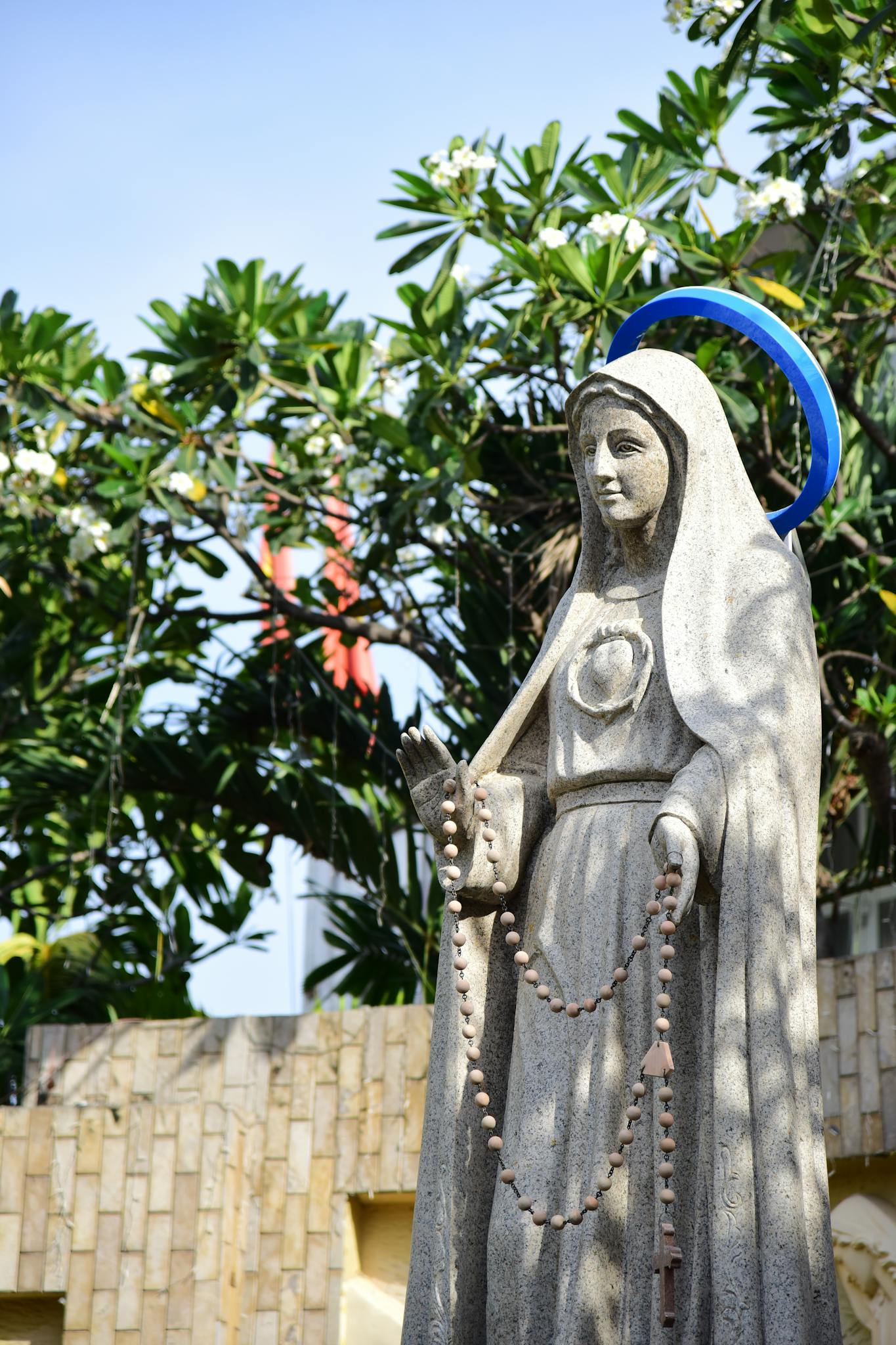
Who Was Saint Calogero di Sicilia?
Saints
A long-lived hermit of Monte Kronio in Sicily, said to have come from the eastern Mediterranean and to have died around 561.
Saint Calogero di Sicilia is venerated as a hermit of Monte Kronio, a hill riddled with steam caves near Sciacca in Sicily, traditionally said to have died on 18 June 561 at about ninety-four. Tradition traces his origins further east, to what is now Turkiye, before his eventual solitude on Sicilian soil. As with much hagiography from this era, the sequence of his life rests on long regional devotion rather than contemporary documentation.
Quick Facts
- Died: 18 June 561, at Monte Kronio, Sicily, Italy (aged approximately 94)
- Venerated as: Hermit
- Tradition associates his origins with the eastern Mediterranean (modern Turkiye)
Who Was Saint Calogero di Sicilia?
Calogero di Sicilia is remembered as a hermit who made his home in the caves of Monte Kronio, a hill near Sciacca whose natural volcanic vapors had been used for healing since ancient times. Tradition gives him a strikingly long life, placing his death in 561 at about ninety-four years of age, and traces his origins to the eastern Mediterranean world before his eventual settlement in Sicily. This chronology and biography come down through devotional tradition rather than a contemporaneous written record, and should be received as such.
Historical Setting
The sixth century in Sicily was a period of considerable upheaval, as the island passed from Ostrogothic rule back into the Byzantine Empire during Justinian’s wars of reconquest, even as monasticism and hermit life continued to take root across the Mediterranean world. Hermits associated with sites of natural significance, such as caves and thermal springs, were a recognizable feature of this landscape, drawing on both the desert tradition inherited from Egypt and Syria and older, sometimes half-Christianized local associations with such places.
Why the Church Remembers Saint Calogero di Sicilia
The Church remembers Calogero for a life of prolonged solitude and asceticism at Monte Kronio, a site that became, and remains, a significant local pilgrimage destination in western Sicily. His long tenure there and the devotion it generated over centuries testify to a community’s conviction that his was a life given wholly to God, sustained in an extraordinary way.
Canonization and Feast Day
No formal canonization process is recorded for Calogero di Sicilia, as would be expected for a saint of the sixth century; his veneration is ancient, sustained above all by the enduring pilgrimage tradition connected with Monte Kronio rather than by any later papal act.
What Catholics Can Learn Today
Calogero’s long years of solitude suggest that endurance itself can be a form of witness. Catholics today, more accustomed to measuring a life’s value in productivity or achievement, might take from his example the idea that simple, sustained faithfulness across a whole lifetime is itself a substantial spiritual accomplishment.
A Prayer to Saint Calogero di Sicilia
Saint Calogero di Sicilia, who kept faith through a long life of solitude at Monte Kronio, obtain for us perseverance in prayer across the years, especially when age or isolation makes fidelity harder rather than easier. Amen.
Sources
- Roman Martyrology, regional entries for Sicilian hermit-saints
- Diocese of Agrigento, local devotional and historical materials on the Monte Kronio shrine