
Saint Bonifacia Rodríguez y Castro
Saints
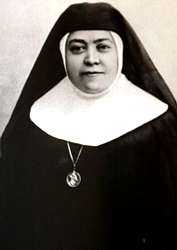
A nineteenth-century Spanish laywoman and craftswoman who founded the Servants of St. Joseph to dignify the working lives of poor women.
Saint Bonifacia Rodríguez y Castro (1837-1905) was born in Salamanca, Spain, to a family of modest means, and worked for years as a skilled cordmaker before, together with a local priest, Father Francisco Javier Butinya, founding the Congregation of the Servants of St. Joseph in 1874. The new institute combined a life of prayer with manual work in small cooperative workshops, aiming to give poor working women both a livelihood and a supportive community grounded in the example of Saint Joseph’s own hidden, laborious life. Bonifacia served as the congregation’s superior for years, but internal misunderstandings with a later chaplain led to her removal from leadership, a painful trial she accepted with humility rather than contesting. She spent her final years in relative obscurity in Zamora, continuing simple work and prayer, and died there in 1905. She was canonized in 2003, and her congregation continues serving working women in several countries today.
Quick Facts
- Born: June 6, 1837, Salamanca, Spain
- Died: August 8, 1905, Zamora, Spain (age approximately 68)
- Founder of the Congregation of the Servants of St. Joseph, 1874
- Feast Day: August 8
- Canonized: June 23, 2003 by Pope John Paul II
- Patronage: working women, craftspeople, and the Servants of St. Joseph
Who Was Saint Bonifacia Rodríguez y Castro?
Bonifacia grew up in a working-class family in Salamanca and learned the trade of cordmaking, or ropemaking and passementerie, work she used both to support herself and to help other poor women earn an honest living. Alongside Father Francisco Javier Butinya y Hospital, a Claretian priest with a strong devotion to Saint Joseph as a model of hidden, dignified labor, she founded the Servants of St. Joseph in Salamanca in 1874, establishing small workshops where women could work in community, pray together, and receive formation, rather than laboring in isolation or exploitative conditions. Bonifacia led the young institute as superior for over a decade, but a change in chaplains brought internal conflict that eventually led to her being removed from governance of the congregation she herself had founded, a decision she accepted without public protest, choosing instead humble obedience over vindication.
Historical Setting
Bonifacia’s life took place during a period of rapid industrial change in Spain, when traditional craft trades faced increasing pressure from factory production and poor women in particular had few protections or dignified options for earning a living. The Catholic social response to industrialization was still taking shape in this era, decades before Pope Leo XIII’s landmark encyclical Rerum Novarum formally articulated Catholic social teaching on labor, and Bonifacia’s cooperative workshop model anticipated many of its central concerns, dignified work, community support, and just conditions for laborers, through practical action rather than formal doctrine.
Why the Church Venerates Saint Bonifacia Rodríguez y Castro
The Church honors Bonifacia for pioneering a model of consecrated life centered on manual labor and the dignity of ordinary work, grounded in devotion to Saint Joseph the worker, well before such themes became prominent in official Catholic social teaching. Her patient acceptance of being removed from leadership of her own foundation, without resentment or public contest, is remembered as a profound act of humility and trust in God’s providence over her own reputation or authority. Her congregation’s continued work serving women through craft, community, and faith carries her original vision forward into the present day.
Canonization and Feast Day
Bonifacia was beatified by Pope John Paul II in 1975 and canonized by the same pope on June 23, 2003. Her feast is celebrated on August 8, the anniversary of her death in Zamora. Her canonization highlighted both the practical originality of her founding vision and the depth of humility she showed in accepting a painful loss of authority within her own community.
What Catholics Can Learn Today
Saint Bonifacia’s life speaks powerfully to questions of work, dignity, and humility that remain relevant in any economy. She recognized decades before Catholic social teaching formally addressed such issues that poor women needed not just charity but dignified, communal work and spiritual support, and she built an institution to provide exactly that. Her later willingness to step back from leadership without bitterness, even when the loss was unjust, models a form of holiness centered on trust in God rather than control over one’s own achievements, a lesson particularly valuable for anyone who has poured themselves into a project only to see its direction taken out of their hands.
A Prayer to Saint Bonifacia Rodríguez y Castro
Saint Bonifacia Rodríguez y Castro, who honored the dignity of daily labor and bore the loss of your own authority with humble trust in God, intercede for all workers seeking honest and dignified employment. Teach us to see holiness in ordinary work, to build communities that support rather than exploit the poor, and to accept life’s injustices with the same peaceful trust in providence that you showed. Amen.
Sources
- Vatican.va, biography from the canonization of Bonifacia Rodríguez y Castro, 2003
- Congregation of the Servants of St. Joseph, official historical records of the founding
- Butler’s Lives of the Saints, revised edition
- Roman Martyrology, August 8 entry