
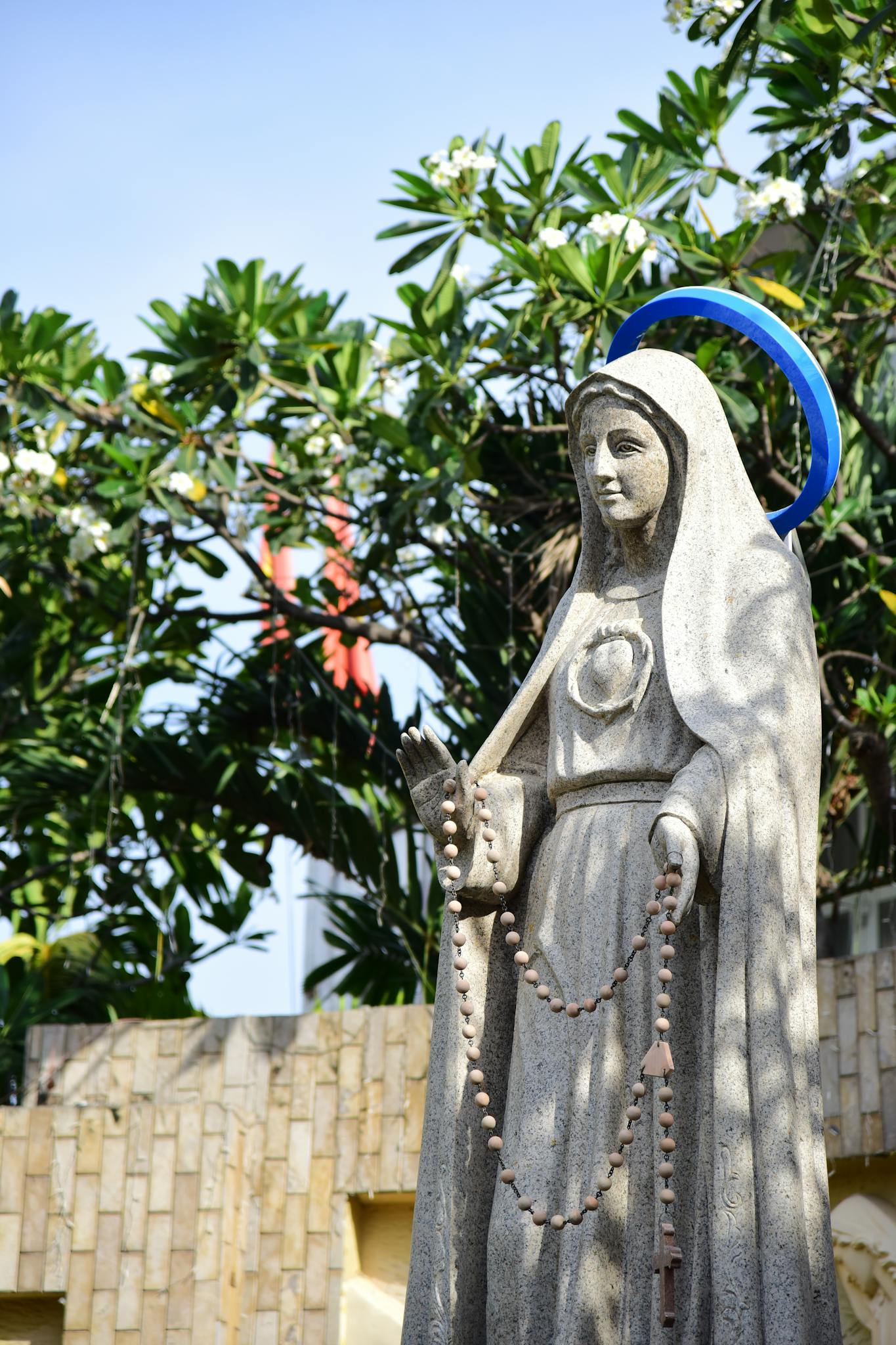
Who Was Saint Benjamin of Persia?
Saints
A fifth-century deacon in the Persian church who kept preaching after his release from prison, and paid for that refusal with his life.
Saint Benjamin was a deacon in the Christian community of Sassanid Persia during the early fifth century, a period of sharp anti-Christian repression under the Persian crown. Imprisoned for his faith, he was freed on the condition that he stop preaching, but he would not agree to silence and was rearrested. He died under torture around the year 424, reportedly in advanced old age. The ancient martyrologies remember him chiefly for that one act of defiance: refusing to trade his voice for his freedom.

Quick Facts
- Died: c. 424, in Sassanid Persia (present-day Iraq)
- Role: Deacon of the local Persian church
- Venerated as: Martyr
- Feast Day: March 31
Who Was Saint Benjamin of Persia?
Benjamin served as a deacon within the Christian minority of the Sassanid Persian Empire, a community that lived under recurring suspicion from a state whose official religion was Zoroastrianism. Very little survives about his early life, and even the year of his death is uncertain, though ancient sources place it around 424 and note that he had lived to a great age, reportedly around ninety-five years. What is preserved with more confidence is the shape of his final ordeal: arrest, a conditional release, and a second arrest after he continued to preach.
Historical Setting
The early fifth century was a volatile time for Christians in Persia. A period of relative toleration under King Yazdegerd I gave way to renewed persecution under his successor, Bahram V, as tensions between the Zoroastrian establishment and a growing, increasingly organized Christian church came to a head. Deacons and other clergy who continued public ministry during these years risked imprisonment or worse, and many of the accounts that survive from this period, Benjamin’s among them, come down to us through later Christian chroniclers rather than contemporary official records.
Why the Church Remembers Saint Benjamin of Persia
Benjamin is remembered less for any single sermon or teaching than for the plain fact of his perseverance. Offered his life in exchange for silence, he chose to keep speaking, and Persian Christians of his own day and the generations after held that choice up as the clearest evidence of what his ministry actually meant to him. His martyrdom became one of a number of similar accounts from this era that testified to the cost of practicing Christianity openly in Sassanid Persia.
Canonization and Feast Day
No formal canonization process exists for Saint Benjamin, which is expected for a martyr from this early period: such processes did not yet exist in the Church of the fifth century. His veneration rests on ancient and continuous liturgical memory, preserved in the Roman Martyrology and handed down through the Eastern and Western traditions alike.
What Catholics Can Learn Today
Benjamin’s story is fundamentally about the refusal to accept a quiet, compromised faith when a loud, costly one was demanded of him instead. For believers today who are rarely asked to risk their lives for speaking about Christ, his example still poses a smaller but real question: whether comfort or convenience ever talks us into a smaller, safer version of our faith than the one we actually hold.
A Prayer to Saint Benjamin of Persia
Saint Benjamin, deacon and martyr, you were offered your freedom in exchange for your silence and chose truth instead. Give us a share of your courage, that we may never bargain away our witness to Christ for the sake of comfort. Amen.
Sources
- Butler’s Lives of the Saints
- the Roman Martyrology