
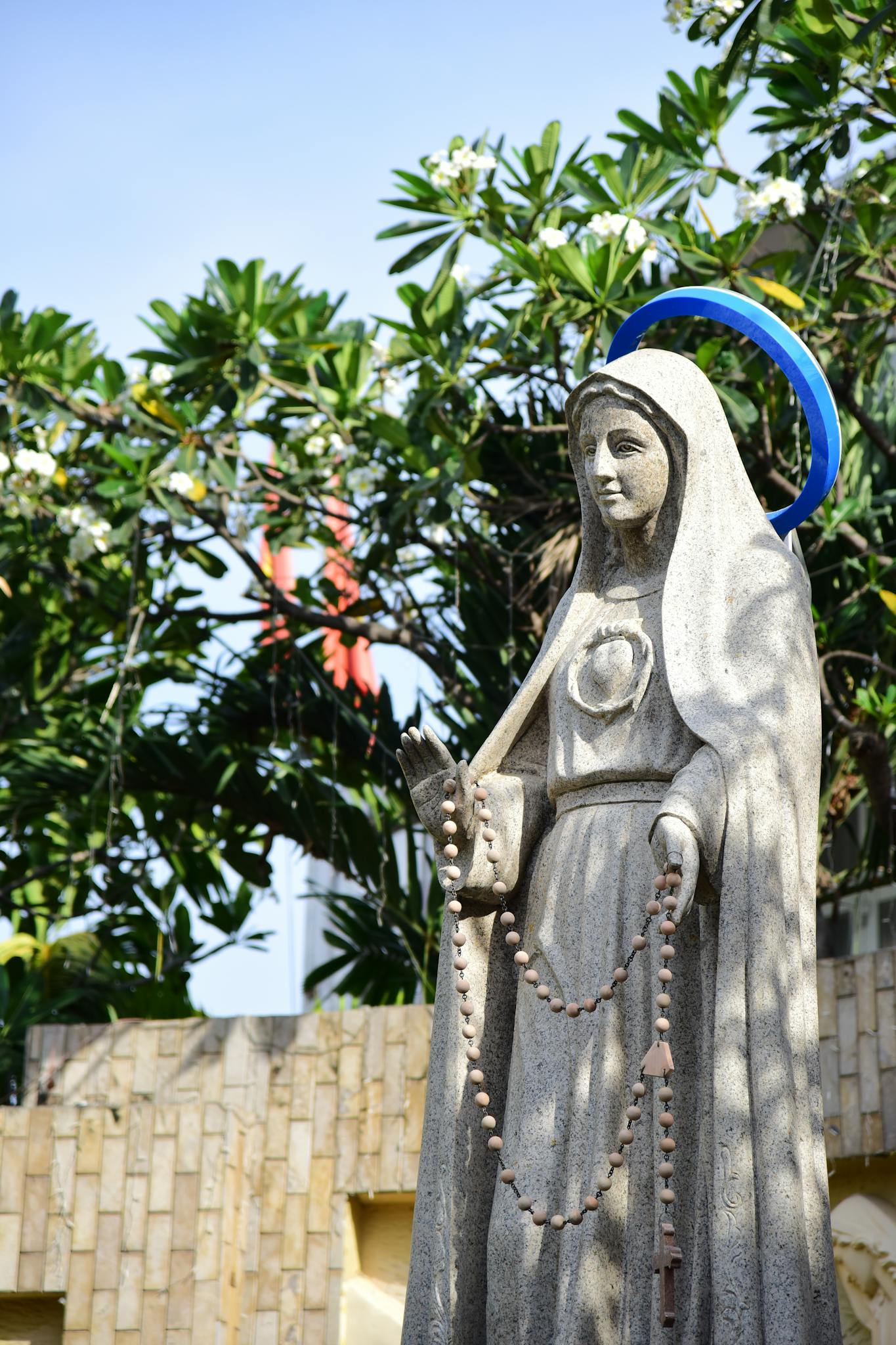
Saint Benedict Biscop
Saints

An Anglo-Saxon nobleman turned monk who founded Monkwearmouth-Jarrow Priory and stocked it with books and art from Rome, shaping English monastic learning.
Saint Benedict Biscop (c. 628-690) was a Northumbrian nobleman who left the court of King Oswiu to embrace monastic life, eventually making several journeys to Rome that profoundly shaped English Christianity. He studied at the monastery of Lerins in southern France before returning to England, where he founded the twin monastery of Monkwearmouth in 674 and its sister house at Jarrow a few years later. On his repeated trips to Rome, he collected books, relics, paintings, and even brought back a skilled cantor to teach Roman chant, building one of the finest monastic libraries in early medieval England. That library later gave his most famous pupil, Saint Bede the Venerable, the resources needed to write the Ecclesiastical History of the English People. Benedict Biscop died at Wearmouth in 690, leaving behind a monastic foundation that became a center of learning for generations.
Quick Facts
- Born: c. 628, Northumbria, England
- Died: January 12, 690, Wearmouth, England (age approximately 61)
- Founder and first abbot of Monkwearmouth-Jarrow Priory
- Feast Day: January 12
- Venerated as a saint from early medieval times, before formal canonization processes
- Patronage: monks, scholars, and librarians
Who Was Saint Benedict Biscop?
Born Biscop Baducing into the Northumbrian nobility, he served as a thegn in the court of King Oswiu before choosing, in his mid-twenties, to abandon secular life and devote himself entirely to God. He traveled to Rome multiple times over the following decades, a rare and difficult undertaking for an Englishman of his era, and spent time as a monk at the monastery of Lerins off the coast of southern France, where he took the name Benedict. Returning to Northumbria with the backing of King Ecgfrith, he founded Monkwearmouth in 674 and Jarrow in 681 or 682, modeling both on continental monastic practices he had observed abroad, and he devoted his final journeys to Rome to gathering books, sacred art, and craftsmen to enrich his new foundations.
Historical Setting
Benedict Biscop lived during the century following Augustine of Canterbury’s mission to England, a formative period when Anglo-Saxon Christianity was still absorbing continental influences and establishing its own institutions. Northumbria under kings like Oswiu and Ecgfrith was becoming a significant center of learning and art, and travel to Rome, though arduous and dangerous, was increasingly undertaken by clergy eager to bring back relics, texts, and liturgical practices that would strengthen the young English Church’s connection to the wider Catholic world. His monastery’s stone construction, glazed windows, and imported artisans were notable innovations for Anglo-Saxon England at the time.
Why the Church Venerates Saint Benedict Biscop
The Church honors Benedict Biscop as a bridge-builder between Rome and the emerging English Church, whose tireless efforts to gather books and train craftsmen gave Northumbrian monasticism resources that would otherwise have taken generations to develop. His foundation at Monkwearmouth-Jarrow became one of the most learned centers in early medieval Europe, producing Saint Bede and preserving countless texts that might otherwise have been lost. His personal humility in stepping back from noble privilege to pursue a monastic vocation, combined with the lasting institutional legacy he built, exemplifies a sanctity expressed through patient, practical labor for the Church’s intellectual and spiritual life.
Canonization and Feast Day
Like many early medieval saints, Benedict Biscop was recognized as holy by popular and monastic veneration long before the Church developed its later formal canonization procedures. He has been honored with a feast on January 12, the traditional date of his death, within English Benedictine tradition and the wider Church calendar in places that commemorate early English saints.
What Catholics Can Learn Today
Benedict Biscop’s life demonstrates how practical, unglamorous work, gathering books, training craftsmen, overseeing construction, can serve God’s kingdom as truly as more overtly spiritual labors. His patient investment in institutions and resources bore fruit he himself never fully saw, since it was his student’s student, effectively, whose writings would carry Northumbrian learning to the whole of Christian Europe. His example encourages Catholics to invest generously in education, libraries, and the material means of passing on the faith, trusting that such groundwork often outlasts and outshines more immediately visible achievements.
A Prayer to Saint Benedict Biscop
Saint Benedict Biscop, who left behind noble privilege to build up the Church’s houses of prayer and learning, intercede for all who labor quietly to preserve and pass on the faith. Grant us your generosity in gathering what is good and true, your patience in building for a future we may not live to see, and your steady devotion to God above worldly comfort. Amen.
Sources
- Bede, Lives of the Abbots of Wearmouth and Jarrow
- Catholic Encyclopedia (New Advent), entry on Benedict Biscop
- Butler’s Lives of the Saints, revised edition
- Roman Martyrology, January 12 entry