
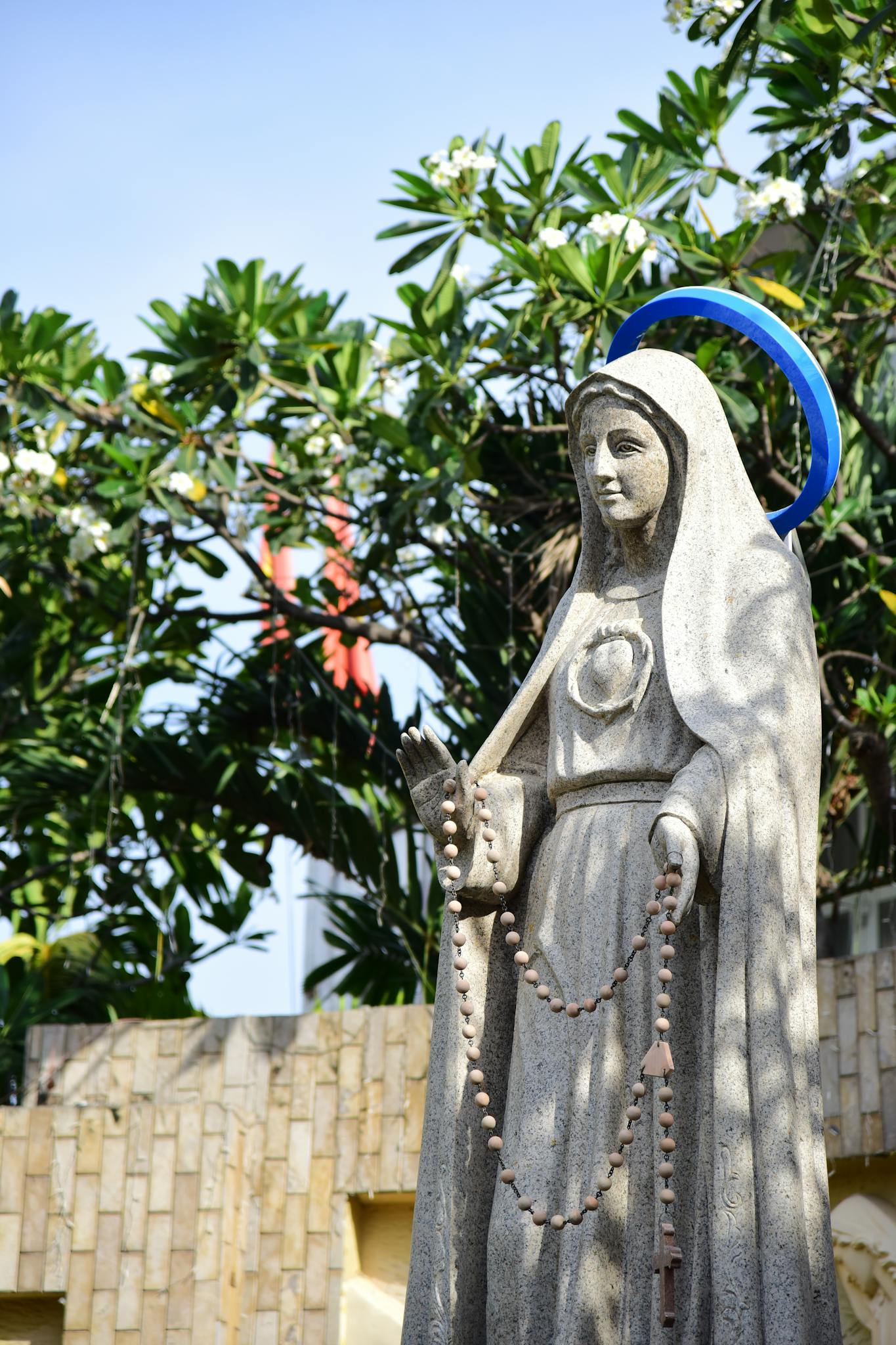
Saint Anthony Abbot
Saints
An Egyptian ascetic of the third and fourth centuries whose radical withdrawal into the desert made him the founding father of Christian monasticism.
Saint Anthony Abbot, also known as Anthony of Egypt or Anthony the Great, was born into a Christian farming family in Egypt around the middle of the third century. After his parents died and left him a substantial inheritance while he was still a young man, he heard a Gospel passage read in church commanding the rich to sell their possessions and give to the poor, and took it as addressed directly to him. He provided for his younger sister, gave away his land and wealth, and withdrew into an increasingly remote and solitary life of prayer, manual labor, fasting, and spiritual struggle in the Egyptian desert. Though he sought solitude, disciples were drawn to his example and gathered near him, and he became a spiritual father to a growing monastic movement. His life, recorded by Saint Athanasius of Alexandria shortly after his death, spread his example throughout the Christian world and made him the founding figure of Christian monasticism in both East and West.

Quick Facts
- Born: c. 251, Coma, Egypt
- Died: c. 356, Mount Colzim, Egypt, at an advanced age
- Feast Day: January 17
- Venerated since: antiquity, through Athanasius’s Life of Anthony and continuous monastic tradition
- Patron of: monks, gravediggers, basket weavers, animals, and against skin diseases
Who Was Saint Anthony Abbot?
Saint Anthony Abbot, also known as Anthony of Egypt or Anthony the Great, was born into a Christian farming family in Egypt around the middle of the third century. After his parents died and left him a substantial inheritance while he was still a young man, he heard a Gospel passage read in church commanding the rich to sell their possessions and give to the poor, and took it as addressed directly to him. He provided for his younger sister, gave away his land and wealth, and withdrew into an increasingly remote and solitary life of prayer, manual labor, fasting, and spiritual struggle in the Egyptian desert. Though he sought solitude, disciples were drawn to his example and gathered near him, and he became a spiritual father to a growing monastic movement. His life, recorded by Saint Athanasius of Alexandria shortly after his death, spread his example throughout the Christian world and made him the founding figure of Christian monasticism in both East and West.
Historical Setting
Anthony lived in Egypt during the final, most severe waves of Roman persecution of Christians and into the era of Constantine’s toleration and the Church’s subsequent growth in public influence, a span of roughly a century that transformed Christianity’s legal and social position across the empire. Egypt in this period had a large, increasingly organized Christian population centered on Alexandria, but the vast desert stretching along the Nile also offered a landscape for believers seeking a more radical, unmediated encounter with God than urban Christian life allowed. Anthony’s withdrawal was part of a wider movement of Christian asceticism emerging in Egypt and Syria in the third and fourth centuries, one that would eventually produce organized monastic communities and profoundly influence the shape of Christian religious life for the next fifteen centuries.
Why the Church Venerates Saint Anthony Abbot
The Church venerates Anthony as the pioneering figure who gave concrete shape to the ancient Christian instinct toward radical self-denial for the sake of union with God, turning what might have remained isolated individual asceticism into a recognizable spiritual path that others could follow and learn from. His recorded spiritual struggles, including intense temptations he was said to have endured and overcome in solitude, became a foundational text of Christian spiritual literature, read and reread by monks for centuries as a guide to the interior life. Nearly every subsequent form of Christian monasticism, from the communal rules of Pachomius and Basil to the Western monasticism of Benedict, drew on the desert tradition Anthony helped establish, making him a father figure to monks and religious across both the Eastern and Western Churches.
Canonization and Feast Day
Anthony died around the year 356, well before the Church developed any formal process of canonization. His recognition as a saint came through the continuous veneration of the Egyptian Church, the widespread circulation of Athanasius’s biography of him, and centuries of unbroken monastic memory and liturgical honor in both East and West. His feast is celebrated on January 17.
What Catholics Can Learn Today
Anthony’s radical response to a single line of Scripture, taken personally and acted on without hesitation, challenges readers to consider how often they hear a demanding truth and quietly explain it away as meant for someone else. His decades in the desert also suggest that real spiritual growth is rarely comfortable or quick, but involves sustained struggle against distraction, fear, and self-interest, met with patience rather than despair. For contemporary readers overwhelmed by noise and constant stimulation, Anthony’s pursuit of silence and solitude as a space to meet God offers a strikingly relevant, if demanding, example.
A Prayer to Saint Anthony Abbot
Saint Anthony Abbot, father of the desert who left all things to seek God alone, and who wrestled and prevailed against every temptation in your solitude, pray for us amid our own noisy and distracted lives. Teach us to hear God’s word as spoken to us personally, and to act on it without excuse or delay. Strengthen monks and hermits who continue your path of prayer and silence, and grant your protection to all who work the land and care for creatures, that they may know God’s presence in stillness as you did. Amen.
Sources
- the Catholic Encyclopedia (New Advent)
- Athanasius of Alexandria, Life of Anthony
- Encyclopaedia Britannica
- the Roman Martyrology