
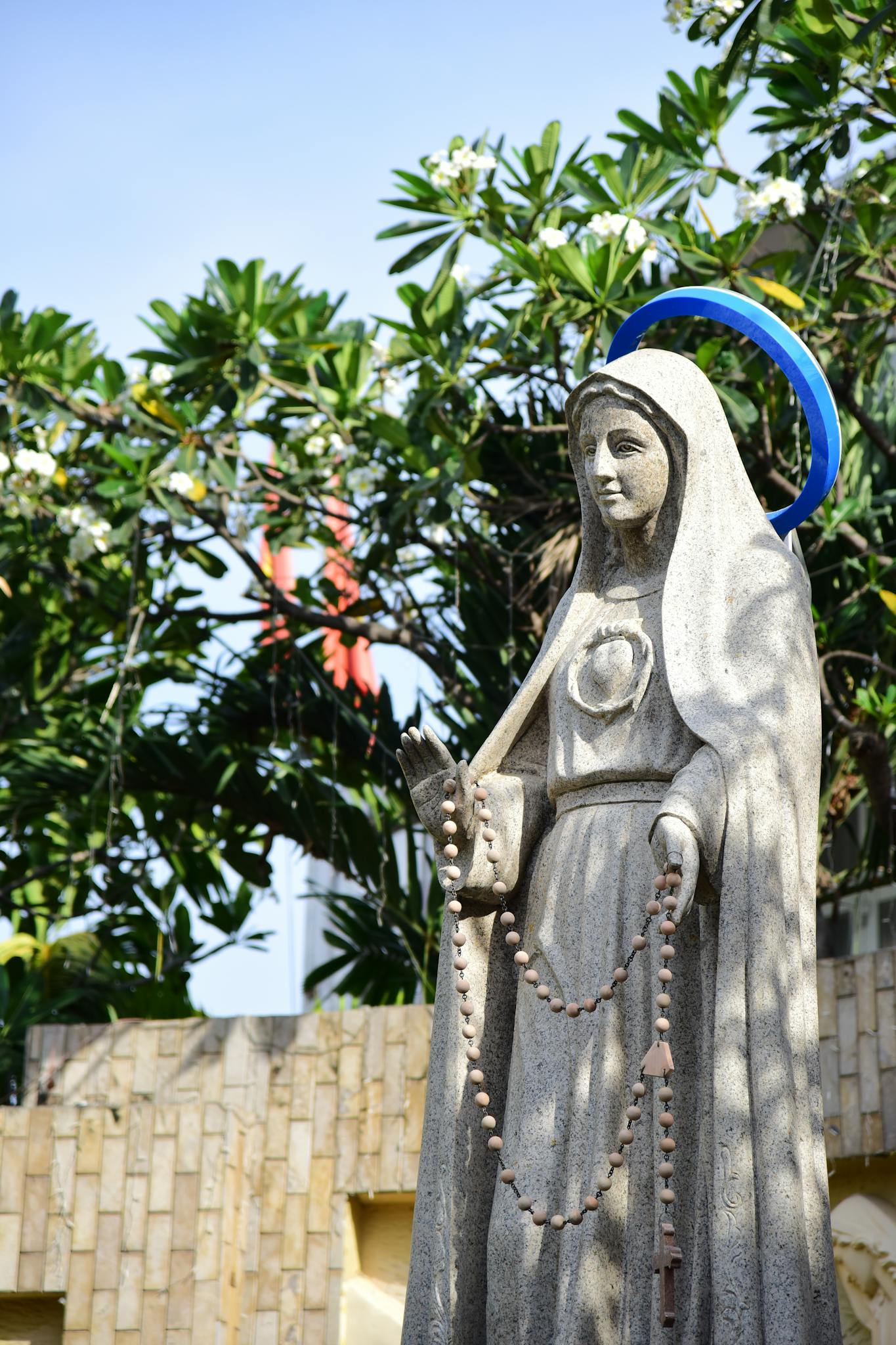
Saint Alferius of Cava
Saints

An eleventh-century Italian nobleman turned Benedictine monk who founded the great abbey of Cava de’ Tirreni and became a formative figure of southern Italian monasticism.
Saint Alferius of Cava (circa 930–1050) was an Italian nobleman from Salerno who abandoned a career at court to become a Benedictine monk, eventually founding the Abbey of Santissima Trinità della Cava, more commonly known as Cava de’ Tirreni, near Salerno in southern Italy. According to his traditional biography, Alferius served in the retinue of a Lombard prince before a serious illness prompted a spiritual conversion, after which he entered religious life, first at the great monastery of Cluny in France and later back in his native region of Salerno. Around the year 1025, seeking greater solitude, he withdrew to a cave in a wooded valley near Cava, where disciples gradually gathered around him, giving rise to the abbey that would become one of the most influential Benedictine houses of medieval southern Italy, eventually overseeing dozens of dependent monasteries. He is said to have governed the growing community for roughly a quarter century, dying, according to tradition, at a remarkably advanced age. His veneration was formally confirmed through equipollent canonization in 1893.
Quick Facts
- Born: traditionally circa 930, in Salerno, Italy
- Died: April 12, 1050 (traditional date), at Cava de’ Tirreni, Italy
- Feast Day: April 12 (also observed locally on April 27, translation of relics)
- Canonized: December 21, 1893, by equipollent canonization
- Venerated as: founder of the Abbey of Cava de’ Tirreni and its Benedictine congregation
Who Was Saint Alferius of Cava?
According to the traditional accounts preserved within his own monastic community, Alferius was born into a noble family connected to the court of Salerno in southern Italy, and as a young man served in the household of the Lombard prince of Salerno, moving in circles of considerable worldly privilege. A severe illness, tradition holds, brought him to reflect seriously on his manner of life, and upon his recovery he resolved to abandon his position at court in favor of the monastic life. He is said to have traveled to the celebrated Benedictine abbey of Cluny in Burgundy, one of the most influential centers of monastic reform in eleventh-century Europe, where he received formation in the Benedictine rule before eventually returning to his native region of southern Italy. Around 1025, seeking a life of greater solitude and penance, Alferius withdrew to a wooded, cave-riddled valley outside Salerno known as Cava, where he lived for a time as a hermit. His evident holiness attracted other men seeking the same austere life, and a community gradually formed around him, developing into the Abbey of Santissima Trinità della Cava. Under Alferius’s leadership as its first abbot, the community grew rapidly, adopting a notably strict observance of the Benedictine rule, and the abbey went on, in the generations after his death, to become the head of a substantial monastic congregation with numerous dependent houses across southern Italy. Tradition credits Alferius with governing the community he founded for around twenty-five years and with living to a remarkably old age, details that, as with many monastic founders of this period, rest chiefly on accounts compiled by his own community rather than independent contemporary record.
Historical Setting
Alferius’s life belongs to the vigorous monastic reform movements of the tenth and eleventh centuries, a period in which centers such as Cluny in France were promoting a renewed, more rigorous observance of Benedictine monastic life across Western Europe, often in reaction to the laxity or secular entanglement that had crept into many older monasteries. Southern Italy in this period was a region of considerable political fragmentation, divided among Lombard princes, Byzantine territories, and, increasingly during Alferius’s later life, incoming Norman lords, making the stability offered by a well-organized monastic community like Cava especially significant for the religious life of the surrounding countryside.
Why the Church Venerates Saint Alferius of Cava
Alferius is venerated as a monastic founder whose community became one of the great centers of Benedictine life and learning in medieval southern Italy, shaping the religious landscape of the region for centuries through the dozens of dependent houses that eventually looked to Cava as their motherhouse. His personal turn from a life of court privilege to eremitical poverty, and his subsequent success in building a lasting and disciplined religious community from that solitary beginning, exemplify a recurring pattern in medieval monastic sanctity: renunciation of worldly status followed by patient, structured community-building rooted in prayer and asceticism.
Canonization and Feast Day
As with many early medieval monastic founders, Alferius never underwent a formal canonization process in the modern sense; his sanctity was instead confirmed through equipollent canonization, granted in 1893, which formally recognized centuries of continuous veneration already maintained within the abbey he founded and its associated congregation. His feast is kept on April 12, and the abbey and its associated communities also mark the anniversary of the translation of his relics later in the same month.
What Catholics Can Learn Today
Alferius’s path from a comfortable position at a princely court to a solitary cave, and finally to the founding of an enduring religious community, illustrates how radical detachment from worldly advantage can, over time, become the foundation for something far more lasting than the status he set aside. For Catholics today weighing security and status against a deeper call to simplicity and prayer, his story suggests that what begins in apparent renunciation and obscurity can, in time and through patient fidelity, bear fruit well beyond what the person who began it could have imagined.
A Prayer to Saint Alferius of Cava
Saint Alferius of Cava, who left the comforts of a prince’s court for a hermit’s cave, and built from that solitude a lasting house of prayer, teach us to trust that God can build something enduring from small and hidden beginnings. Help those who feel called to leave security behind for a deeper life of faith, and watch over monastic communities that still follow the rule you embraced. Grant us your patience in building what is lasting, rather than chasing what merely glitters. Amen.
Sources
- the Catholic Encyclopedia (New Advent)
- Abbey of Santissima Trinità della Cava, official monastic history
- the Roman Martyrology
- Butler’s Lives of the Saints