
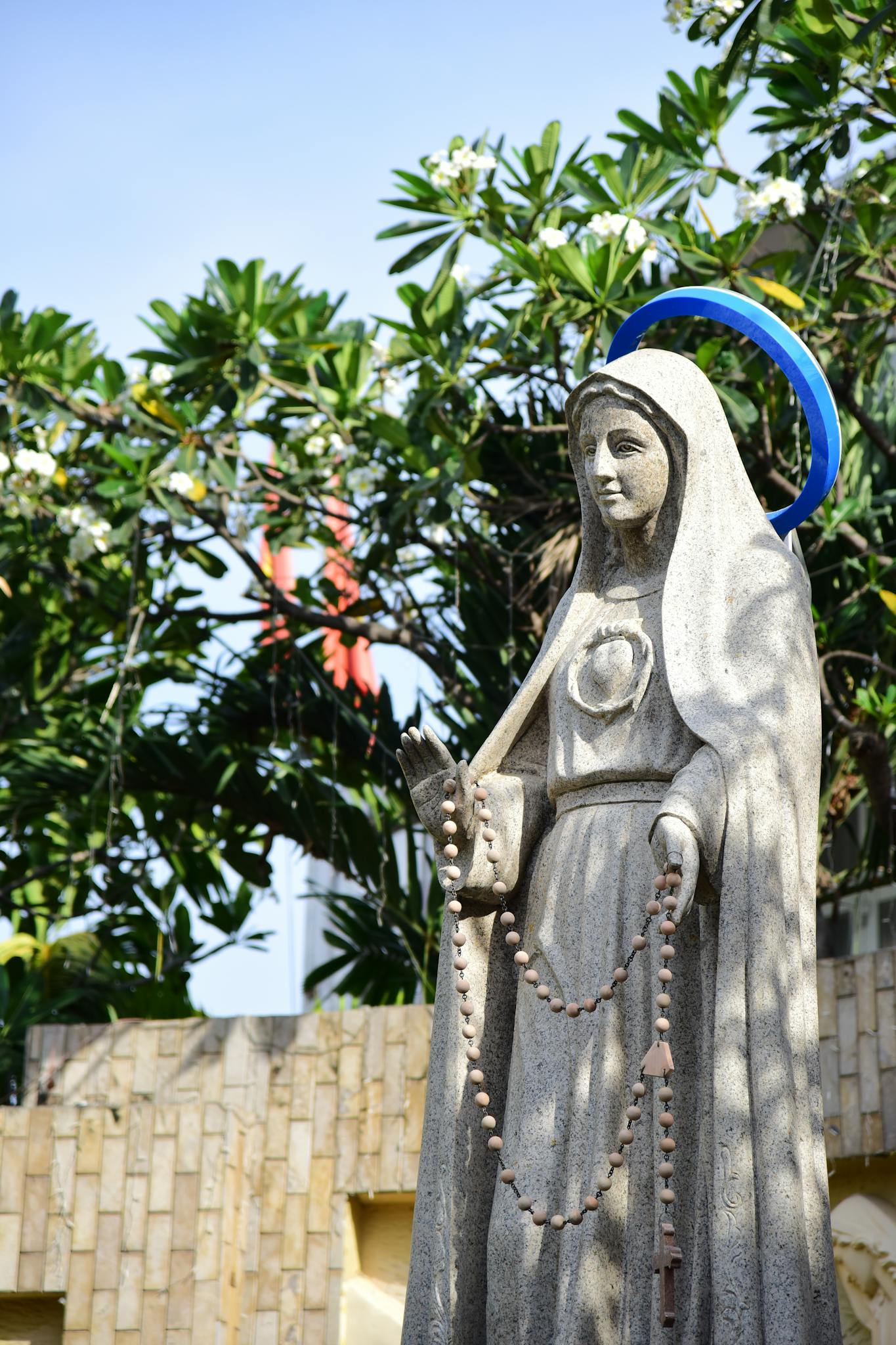
Saint Alban Roe
Saints

An English Benedictine monk and former Anglican convert who ministered secretly to persecuted Catholics before being hanged, drawn, and quartered at Tyburn in 1642.
Saint Alban Roe, born Bartholomew Roe in 1583 in Suffolk, England, was an English Benedictine priest and martyr who converted to Catholicism as a young man after an encounter with an imprisoned Catholic priest, at a time when practicing the Catholic faith in England was a criminal offense under the penal laws. He studied for the priesthood on the continent, entered the Benedictine order taking the religious name Alban, and returned to England to work as a missionary priest, ministering secretly to Catholics who could no longer worship openly. Arrested more than once over the course of his ministry and imprisoned for lengthy periods, he was eventually condemned to death simply for being a Catholic priest in England, and was executed by hanging, drawing, and quartering at Tyburn in London on January 21, 1642, at fifty-eight years of age. He was canonized in 1970 among the Forty Martyrs of England and Wales.
Quick Facts
- Born: July 20, 1583, Suffolk, England
- Died: January 21, 1642, Tyburn, London, England
- Feast Day: January 21 (individually); October 25 (with the Forty Martyrs of England and Wales)
- Beatified: December 15, 1929; Canonized: October 25, 1970, by Pope Paul VI
- Patron of: converts; prisoners; the persecuted clergy of England
Who Was Saint Alban Roe?
Saint Alban Roe was born Bartholomew Roe in 1583 in Suffolk, England, into the Protestant Church of England that had, by the late sixteenth century, become firmly established as the country’s official religion, with the practice of Catholicism criminalized under a series of increasingly severe penal laws. As a young man, according to accounts of his life, he encountered and spoke with a Catholic priest imprisoned for his faith, an encounter that led Roe toward conversion to Catholicism at real personal risk, since converting from the established Church was itself a serious offense. He left England to pursue Catholic formation on the European continent, eventually entering the English Benedictine congregation then being reconstituted in exile, and took the religious name Alban in honor of England’s first recorded martyr. Ordained a priest, he returned to England as a missionary, part of the underground network of priests who traveled secretly among Catholic households to celebrate Mass, hear confessions, and administer the sacraments to a community that could no longer worship openly, work that carried the automatic penalty of death simply for being a priest present in the country. Alban Roe was arrested multiple times over the course of his ministry and spent long stretches of his life in English prisons, including extended imprisonment at the Fleet and later at Newgate, during which he reportedly continued to minister to fellow prisoners and, according to some accounts, engaged respectfully in religious discussion even with Protestant clergy who visited him. After years of imprisonment, he was finally condemned to death and executed by the brutal method reserved for those convicted of treason under the penal laws — hanging, drawing, and quartering — at Tyburn, London’s principal execution site, on January 21, 1642, at fifty-eight years old.
Historical Setting
Alban Roe’s life and death fall within the long period of English Catholic persecution that followed the Elizabethan religious settlement of the late sixteenth century, during which the practice of the Catholic faith, and especially the presence of Catholic priests ordained abroad and returning to minister in England, was treated as a capital offense connected to suspected loyalty to a foreign power, namely the Pope. By the time of Roe’s execution in 1642, England stood on the brink of civil war, and anti-Catholic sentiment remained a powerful undercurrent in English politics; hundreds of priests and lay Catholics were executed under these laws between the 1530s and the late seventeenth century, of whom Roe is among the best documented owing to surviving contemporary accounts of his trial and imprisonment.
Why the Church Venerates Saint Alban Roe
The Church venerates Alban Roe as a priest who, having chosen at real risk to convert to Catholicism and then to be ordained specifically to serve England’s outlawed Catholic community, persisted in that secret ministry through repeated arrest and years of imprisonment rather than abandon it, ultimately accepting a brutal execution rather than renounce either his priesthood or his faith. His veneration, shared with the larger group of the Forty Martyrs of England and Wales, honors the whole generation of English and Welsh Catholics — priests, religious, and laypeople alike — who sustained the Catholic faith in their countries through the worst period of its legal suppression.
Canonization and Feast Day
Alban Roe was beatified on December 15, 1929, by Pope Pius XI, in one of several groups of English martyrs recognized in the early twentieth century, and was canonized on October 25, 1970, by Pope Paul VI, together with thirty-nine other English and Welsh martyrs, under the collective title of the Forty Martyrs of England and Wales, representing the wider multitude of Catholics executed in England and Wales between the sixteenth and seventeenth centuries. As part of that canonized group he is commemorated on the shared feast of October 25, while some local and Benedictine calendars also keep January 21, the anniversary of his death, as his individual commemoration.
What Catholics Can Learn Today
Alban Roe’s path from a member of the established Church to a convert willing to risk execution for the Catholic faith, followed by years of imprisonment he endured without renouncing his priesthood, is a striking example of conviction reached through honest inquiry and then held to at the highest possible cost. For Catholics today, his example — especially his reported willingness to engage respectfully in religious conversation even with those who came to argue him out of his faith — suggests that genuine conviction need not fear honest dialogue, and that a faith arrived at through real searching can prove more durable than one simply inherited.
A Prayer to Saint Alban Roe
Saint Alban Roe, convert and priest who would not be moved from the faith you found at such cost, you ministered in secret and endured long imprisonment rather than abandon those who depended on you. Pray for converts today who face confusion or opposition from family and friends, that they may hold their new-found faith with your same steady conviction. Intercede for priests who serve in danger or in hiding anywhere in the world, and grant us the courage to keep faith even when keeping it costs us everything we have. Amen.
Sources
- Vatican.va, Homily of Pope Paul VI at the Canonization of the Forty Martyrs of England and Wales, October 25, 1970
- the Roman Martyrology
- Benedictine Confederation (English Benedictine Congregation), historical records on Alban Roe
- the Catholic Encyclopedia (New Advent), background on the English penal laws and Catholic martyrs