
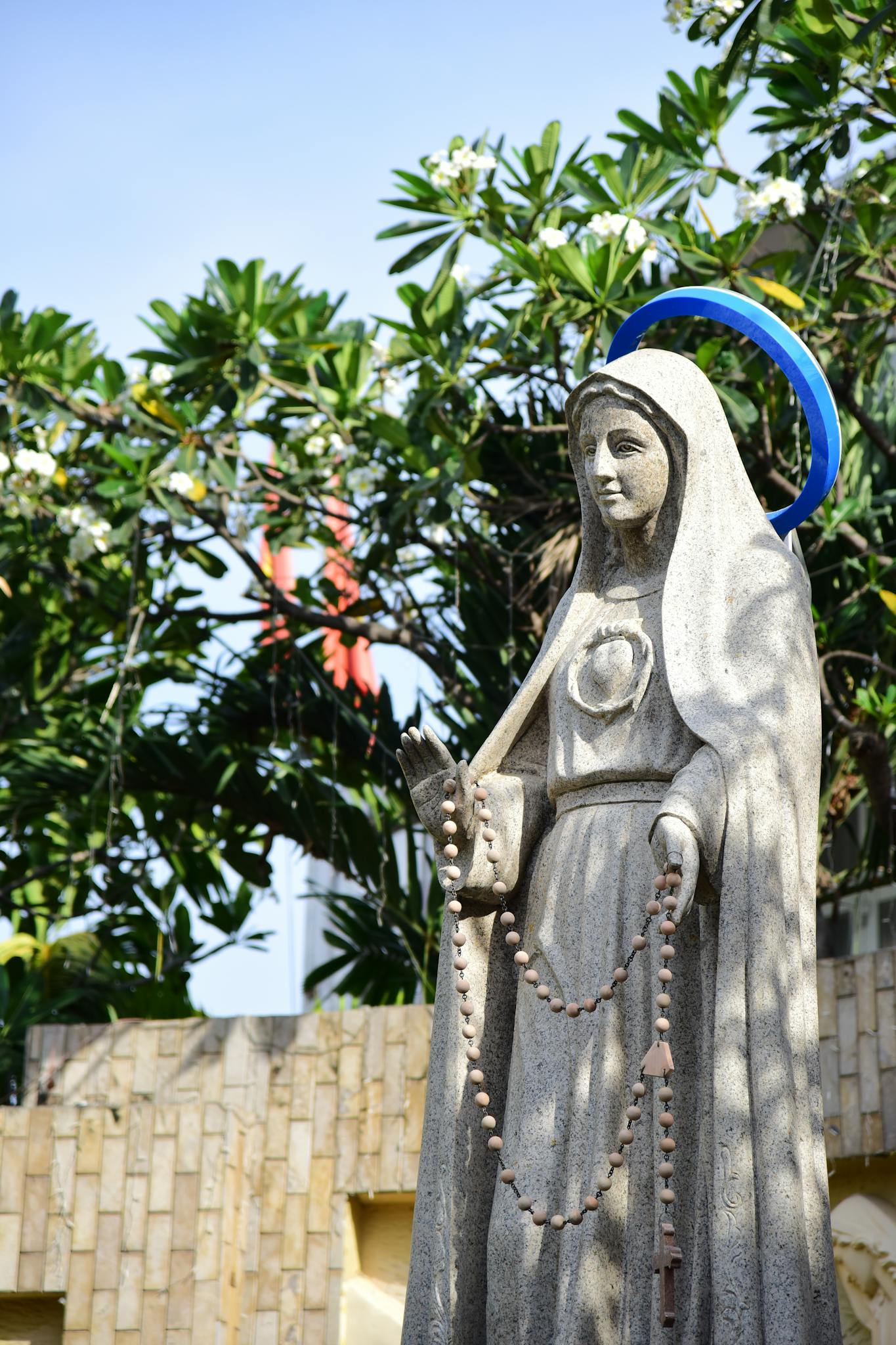
Saint Agnes Kim Hyo-ch’u
Saints

A young Korean laywoman from a river village near Seoul who died at the Small West Gate in 1839 rather than renounce her Catholic faith.
Saint Agnes Kim Hyo-ch’u (Korean: 金孝珠) was a Korean Catholic laywoman born in 1816 in Pamseom, a village on the outskirts of Seoul, who was executed for her Christian faith on September 3, 1839, at the Small West Gate in Seoul, at about twenty-two years of age. She belonged to the generation of Korean believers who came of age within the underground Catholic community that had survived earlier waves of persecution since the faith’s arrival in Korea in the 1780s. Caught up in the Kihae persecution of 1839, one of the most severe anti-Christian campaigns of the Joseon dynasty, she was arrested, interrogated, and put to death alongside numerous other lay Catholics executed that year at the same site. She was canonized in 1984 as one of the 103 Korean Martyrs.
Quick Facts
- Born: 1816, Pamseom, Seoul, Korea
- Died: September 3, 1839, at the Small West Gate, Seoul
- Feast Day: September 20 (with the Korean Martyrs)
- Canonized: May 6, 1984, Seoul, by Pope John Paul II
- Patron of: Korean Catholics; invoked by young laypeople facing persecution
Who Was Saint Agnes Kim Hyo-ch’u?
Saint Agnes Kim Hyo-ch’u was born in 1816 in Pamseom, a small settlement on the Han River near Seoul, into a Korea where Catholicism, though outlawed by the royal court, had continued to spread quietly through family networks, underground catechesis, and the smuggled presence of foreign missionary priests. She grew up within this hidden Church and was still a young woman, about twenty-two years old, when she was swept up in the Kihae persecution that broke out in 1839 under the regency government of Queen Dowager Sunwon. Arrested along with many other Catholics from Seoul and its surrounding villages, she was interrogated and pressured, as was standard practice, to recant her faith and to name other members of the Christian community; when she refused, she was condemned to death and executed at the Small West Gate on September 3, 1839. As with the great majority of Korea’s nineteenth-century lay martyrs, no detailed personal memoir or extended biography of Agnes survives; what the historical record preserves is her name, her approximate age, her village of origin, and the date and place of her execution, details carefully gathered by later Church investigators from trial documents and the testimony of the surviving Catholic community during the process that led to her beatification. Her death at so young an age, in the same year and at the same execution ground as so many of her fellow believers, reflects the scale and intensity of the 1839 crackdown on Korean Christianity.
Historical Setting
Agnes Kim Hyo-ch’u died during the Kihae persecution of 1839, a systematic campaign against Korean Catholics ordered by the regency government that ruled in the name of the young King Heonjong. The persecution combined the state’s long-standing suspicion of Catholicism as a foreign and destabilizing creed with intensified efforts that year to root out the underground Church entirely, resulting in the execution of three French missionary bishops and dozens of Korean laypeople across Seoul, many of them, like Agnes, at the Small West Gate, a site that became one of the principal killing grounds for Christians during this period of Korean history.
Why the Church Venerates Saint Agnes Kim Hyo-ch’u
The Church venerates Agnes Kim Hyo-ch’u as one of the many young lay believers whose willingness to die rather than renounce their faith, or betray their fellow Christians under interrogation, allowed the underground Korean Church to survive as a coherent community rather than being dismantled informant by informant. Her veneration honors the particular vulnerability and courage of young Korean Catholics of her generation, who inherited a persecuted faith from their families and communities and, when tested, chose to hand that same faith forward rather than let it die with them under torture.
Canonization and Feast Day
Agnes Kim Hyo-ch’u was beatified on July 5, 1925, and canonized on May 6, 1984, when Pope John Paul II canonized 103 Korean martyrs together during his pastoral visit to Seoul, the first papal canonization ever celebrated outside Rome. As a member of that group, her feast is observed collectively on September 20, the shared feast day of the Korean Martyrs, rather than on an individual date of her own.
What Catholics Can Learn Today
Agnes Kim Hyo-ch’u’s death at twenty-two is a sober reminder that the cost of discipleship has, in many times and places, fallen most heavily on the young, and that youth is no barrier to profound spiritual maturity when a genuine faith has been well formed. For young Catholics today facing far gentler but still real pressures to set aside their beliefs for social ease, her brief life invites reflection on what convictions are worth holding regardless of cost, and on the quiet formation within family and community that made her steadfastness possible.
A Prayer to Saint Agnes Kim Hyo-ch’u
Saint Agnes Kim Hyo-ch’u, young daughter of a hidden Church, you were formed in faith within your family and community, and you would not let interrogation or fear undo what had been given you. Pray for the young people of our own day, that they may be so well formed in belief that no pressure can shake them loose from it. Grant us, too, some share of the quiet resolve that carried you to the Small West Gate without turning back. Amen.
Sources
- Vatican.va, Homily of Pope John Paul II at the Canonization of the Korean Martyrs, May 6, 1984
- the Roman Martyrology
- Encyclopaedia Britannica, entry on the Korean Martyrs
- EWTN, biographical resources on the 103 Martyrs of Korea