
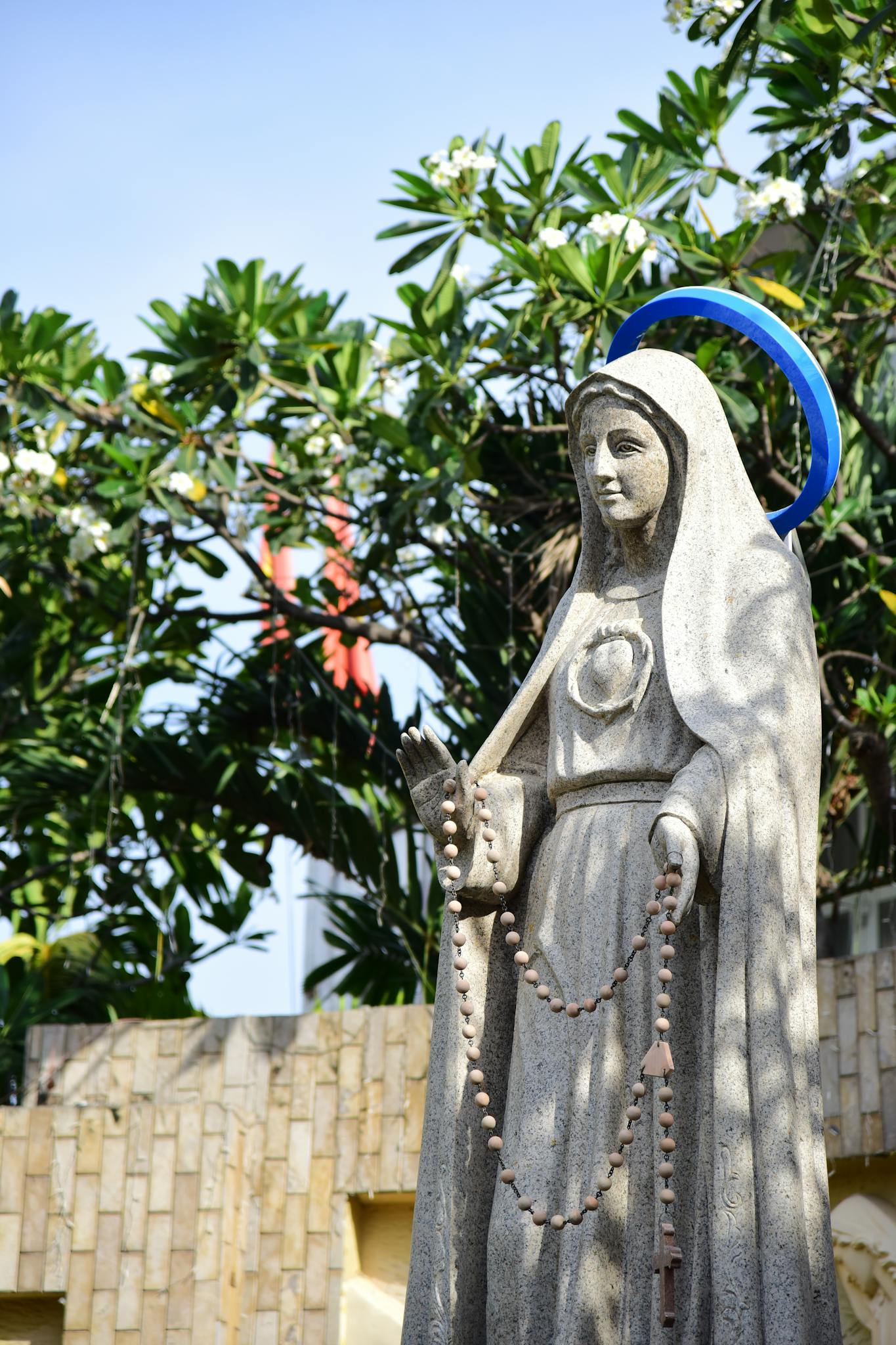
Saint Acacius of Byzantium
Saints
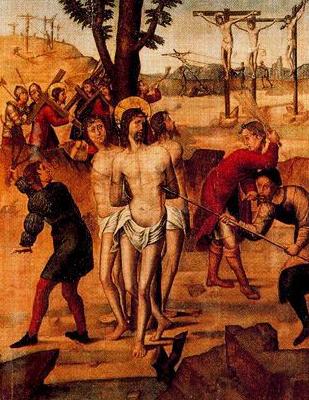
A Cappadocian soldier beheaded at Byzantium for his Christian faith, later honored in the West among the Fourteen Holy Helpers.
Acacius was a Christian soldier, traditionally described as a centurion, from Cappadocia in Asia Minor, who was arrested during the persecutions associated with the emperors Diocletian and Maximian in the early fourth century. According to tradition, he was first interrogated and tortured in Thrace before being taken to Byzantium, where he was ultimately beheaded for refusing to renounce Christ. His name appears across several early martyrologies in slightly different forms and has at times been confused with other saints named Acacius, including bishops of different cities, so care is needed to keep his identity distinct as the soldier-martyr of Byzantium. Centuries after his death, Western devotion grouped him among the Fourteen Holy Helpers, a popular medieval cluster of saints invoked against specific ailments and dangers, a devotional development that should be distinguished from the sparser historical evidence for his individual life and death.
Quick Facts
- Born: date unknown; traditionally Cappadocia
- Died: early fourth century, Byzantium, by beheading
- Feast Day: May 8
- Canonization: none; recognized through ancient martyr cult, later grouped among the Fourteen Holy Helpers
- Patron of: invoked, in later medieval devotion, against headaches, as one of the Fourteen Holy Helpers
Who Was Saint Acacius of Byzantium?
According to ancient tradition, Acacius served as a soldier, often described specifically as a centurion, in the Roman army, a background shared by a number of early martyrs whose Christian faith put them in direct conflict with the military oath of loyalty to the emperor and to the traditional Roman gods. He is said to have come from Cappadocia, a region in central Asia Minor that produced many notable Christians in the following centuries, and to have been arrested during the persecution launched under Diocletian and continued by his co-emperor Maximian in the early fourth century, one of the most severe and widespread waves of persecution the early Church endured. The surviving accounts describe Acacius as enduring interrogation and torture first in Thrace, in the northern Balkans, before being transferred to Byzantium, the city that would later become Constantinople, where he was executed by beheading. As with many martyrs of this period, the detailed narrative of his trial comes from a later passio, a genre of martyr narrative written well after the events it describes, so while the core fact of his martyrdom is treated as reliable, individual dramatic details should be read as devotional literature rather than court record.
Historical Setting
Acacius died during the Diocletianic persecution, launched in 303 and continued in various regions for roughly a decade, widely remembered as the most severe and systematic persecution Christians faced under Roman rule before Constantine’s Edict of Milan in 313 brought lasting toleration. Soldiers who were Christian faced a particular danger during this period, since the imperial cult and military discipline were closely intertwined, and refusal to offer sacrifice to the traditional gods could be treated as both religious deviance and military insubordination. Byzantium, the city where Acacius was executed, was at this time an important but not yet imperial city on the Bosporus; only after Constantine refounded it as Constantinople in 330 would it become the great capital of the Christian East that later generations would know.
Why the Church Venerates Saint Acacius of Byzantium
Acacius is venerated as one of the many soldier-martyrs whose willingness to accept execution rather than renounce Christ demonstrated that Christian conviction could outweigh even the powerful bonds of military loyalty and oath in the Roman world. His cult, rooted in the memory of Byzantium’s own early Christian community, endured through the centuries and eventually crossed into Western European devotion, where he became associated with the Fourteen Holy Helpers, a group of saints invoked together for protection against various afflictions, particularly headaches in Acacius’s specific case. That later medieval grouping reflects popular devotion rather than new historical evidence about his life, and the Church continues to honor him first and foremost as an early martyr rather than primarily as a member of that devotional cluster.
Canonization and Feast Day
Acacius was recognized as a saint through ancient martyr cult centered at Byzantium, long before any formal papal canonization process existed. His memory is preserved in the Roman Martyrology, which commemorates him on May 8, a date also associated with his veneration among the Fourteen Holy Helpers in later medieval devotion, especially in Germany and Central Europe. There is no beatification or canonization decree to record for Acacius; the recognition of his sanctity rests on the Church’s ancient reception of his martyrdom rather than a documented modern process, and a page about him should be careful not to imply otherwise.
What Catholics Can Learn Today
Acacius’s willingness to face torture and execution rather than break faith, even while bound by a soldier’s oath of obedience to the emperor, speaks to the tension every believer can feel between loyalty to legitimate authority and a higher loyalty to conscience and to God. His example invites Catholics today to consider where the demands of a job, an institution, or a system might conflict with fidelity to their deepest convictions, and to ask what it would look like to hold that line with the same steadiness Acacius reportedly showed under torture. His story is also a reminder that sanctity has long been found within ordinary vocations, including military service, not only apart from them.
A Prayer to Saint Acacius of Byzantium
Saint Acacius, soldier of Cappadocia and martyr of Byzantium, you served an earthly emperor faithfully until his demands conflicted with your loyalty to Christ, and then you chose Christ without hesitation. Give courage to those who must choose between duty and conscience today. Comfort all who suffer physical pain, remembering the ancient devotion that placed you among those invoked for relief and healing. Strengthen soldiers, police, and all who serve under authority, that they may serve justly and know when a higher loyalty must prevail. Amen.
Sources
- the Roman Martyrology
- the Catholic Encyclopedia (New Advent), entry on Saint Acacius
- Butler’s Lives of the Saints
- the traditional devotion of the Fourteen Holy Helpers, as preserved in Central European liturgical practice