
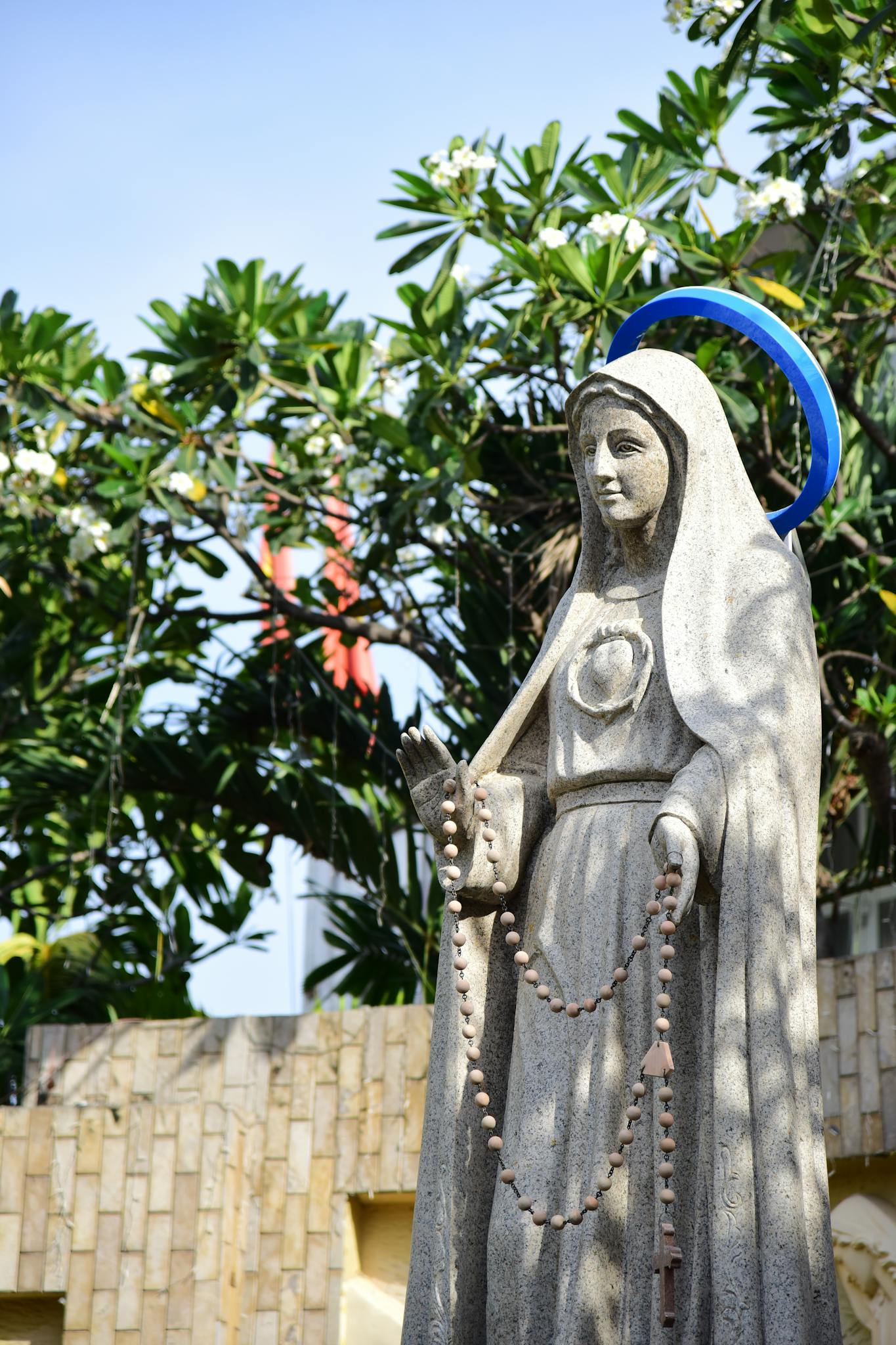
Regina Caeli Devotion
Devotions
How the Regina Caeli antiphon governs Catholic prayer through the whole of Eastertide, replacing the Angelus from Easter Sunday to Pentecost.
The Regina Caeli devotion is the observance, throughout the fifty days of Eastertide, of praying the Regina Caeli antiphon in place of the Angelus, standing rather than kneeling, as a way of marking the entire liturgical season with sustained Easter joy. This page treats the Regina Caeli’s place within the rhythm of the Church’s liturgical year — why it displaces the Angelus for this season, and how it functions alongside the Liturgy of the Hours’ three other seasonal Marian antiphons; the wording, legendary history and detailed structure of the antiphon itself are treated on the site’s dedicated Regina Caeli prayer page. It is not dependent on any private revelation.
Quick Facts
- Category: Liturgical Year — Easter
- Origin: Historic popular piety accompanying the Roman liturgical year, tied to the Liturgy of the Hours’ seasonal Marian antiphons
- Observed: Daily from Easter Sunday through Pentecost Sunday (movable, tied to the date of Easter)
- Church status: Recognized/encouraged popular piety when harmonized with the liturgy
- Private revelation: Not dependent on private revelation
What Is This Devotion?
For the fifty days of Eastertide, from Easter Sunday through Pentecost Sunday, the Church replaces its ordinary daily Angelus devotion with the Regina Caeli, prayed standing rather than kneeling, in keeping with the ancient instinct that kneeling suits penance while standing suits Resurrection joy. This substitution happens at the same three traditional hours as the Angelus — morning, noon and evening — including at the Sunday noon appearance from the papal apartments, where the Pope leads the Regina Caeli in place of the Angelus address throughout this season.
The same shift happens within the Church’s official Liturgy of the Hours: the Regina Caeli is one of four seasonal Marian antiphons sung at Night Prayer across the year, and it takes its turn specifically for Eastertide, handing off afterward to the Salve Regina, which governs the long stretch from Trinity Sunday until Advent begins.
Origin and History
The custom of praying a fixed Marian antiphon that changes with the liturgical season developed gradually in the medieval Western Church, alongside the wider Latin devotional practice of Angelus prayer at set hours of the day. As that seasonal system of four antiphons became standard — Alma Redemptoris Mater for Advent and Christmastide, Ave Regina Caelorum from the Presentation until the Triduum, Regina Caeli for Eastertide, and Salve Regina for the rest of the year — the Regina Caeli’s naturally joyful, Resurrection-focused text made it the fitting choice specifically for the fifty days of Easter.
The practice of replacing the Angelus itself with the Regina Caeli during this same season, including at the papal noon appearance, follows this same older liturgical logic, extending a pattern already fixed in the Liturgy of the Hours into the more widely known daily devotion of the Angelus.
Catholic Theology
The Directory on Popular Piety and the Liturgy explains that Eastertide, as the most joyful season of the liturgical year, calls for devotional practices that echo its character rather than simply continuing patterns suited to other seasons (CCC §§1674-1676). Replacing the Angelus’s meditation on the Annunciation and Incarnation with the Regina Caeli’s proclamation of the Resurrection lets even a Catholic’s simplest daily prayer habit track the Church’s own liturgical season, keeping personal devotion and public worship moving in step together.
How to Practice It
- Pray the Regina Caeli, standing, in place of the Angelus each day from Easter Sunday through Pentecost Sunday.
- Keep the traditional three daily hours where possible — morning, noon and evening — often marked by a bell in places that keep that custom.
- Join, in spirit or in person, the Pope’s Sunday noon Regina Caeli during this same season.
- For the full text, history and manner of praying the antiphon itself, see the site’s dedicated Regina Caeli page.
Associated Prayers
When It’s Observed
The Regina Caeli devotion governs the entire fifty-day span of Eastertide, from Easter Sunday through Pentecost Sunday, a movable period tied each year to the date of Easter. Outside this season, the Angelus resumes its ordinary place, and the Liturgy of the Hours moves on to whichever of the other three seasonal Marian antiphons applies.
Church Status
Both the seasonal rotation of Marian antiphons within the Liturgy of the Hours and the parallel practice of replacing the Angelus with the Regina Caeli during Eastertide are long-established, recognized Catholic custom, harmonizing popular devotion with the Church’s own liturgical calendar.
Common Misconceptions
“The Regina Caeli is simply a substitute prayer used only when the Angelus is unavailable.”
It is not a stand-in of convenience; it is the Church’s own deliberate, seasonal choice, tied to the theological character of Eastertide itself. For these fifty days, Regina Caeli is the proper prayer for the customary hours, precisely because its Resurrection theme suits the season better than the Angelus’s meditation on the Annunciation, not because the Angelus is somehow unavailable.
Frequently Asked Questions
Why is the Regina Caeli prayed standing instead of kneeling?
Standing has long been associated in Christian prayer with Resurrection joy, in contrast to the posture of kneeling more often associated with penance; praying the Regina Caeli standing throughout Eastertide expresses this seasonal shift bodily as well as verbally.
How long does the Regina Caeli replace the Angelus each year?
For the full fifty days of Eastertide, from Easter Sunday through Pentecost Sunday, a movable span that follows the date of Easter each year.
Is this the same devotion as the Regina Caeli prayer itself?
It is closely related but distinct in focus. This page concerns the antiphon’s specific role and timing within the Church’s liturgical year; the wording, legendary history and detailed manner of praying the Regina Caeli antiphon itself are covered on the site’s dedicated Regina Caeli page.
Sources
- Directory on Popular Piety and the Liturgy: Principles and Guidelines (2001)
- Catechism of the Catholic Church, on sacramentals and popular piety
- The Liturgy of the Hours, Night Prayer, for the seasonal use of the four Marian antiphons