
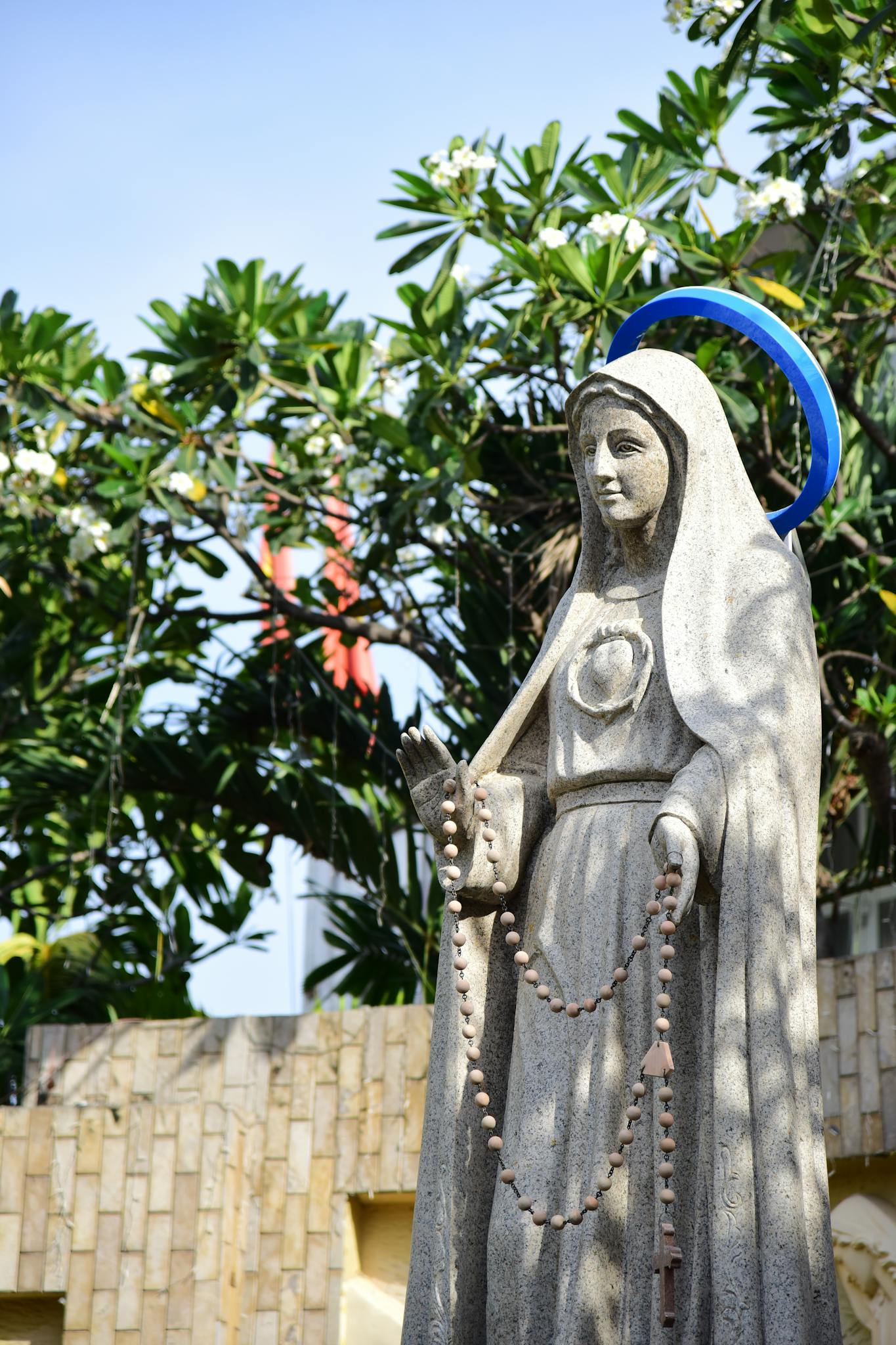
July — Month of the Precious Blood
Devotions
The Catholic custom of dedicating July to devotion to the Precious Blood of Jesus, rooted in a documented nineteenth-century feast that Pope Pius IX extended to the whole Church.
July — Month of the Precious Blood is the Catholic custom of devoting the whole month to reverence for the Blood of Christ, shed for the salvation of the world. The custom is anchored by a well-documented history: St. Gaspar del Bufalo propagated devotion to the Precious Blood in the early nineteenth century, and Pope Pius IX extended a feast in its honor to the universal Church in 1849, later fixed to July 1 — a date that stood on the General Roman Calendar until the 1969 liturgical reform folded its themes into other Passion-related celebrations.
Quick Facts
- Category: Traditional Calendar Devotions — Monthly & Weekly Dedicatory Customs
- Origin: Propagated by St. Gaspar del Bufalo; extended to the universal Church by Pope Pius IX in 1849
- Observance: Throughout July; the former Feast of the Most Precious Blood was fixed to July 1
- Church status: A well-documented nineteenth-century devotional custom; its former feast was removed from the General Roman Calendar in the 1969 reform but the month-long devotion persists
- Private revelation: Not dependent on private revelation
What Is This Devotion?
July devotion to the Precious Blood sets the month aside for reflection on Christ’s shed Blood, offered on the cross for the redemption of the world, through daily prayer, litanies and acts of reparation. This page is scoped to the custom of the dedicated month itself, not to the specific prayers and practices already covered elsewhere on this site, including the Chaplet of the Precious Blood, the Litany of the Precious Blood, the Consecration to the Precious Blood, and the Via Sanguinis — Way of the Blood — see those pages for the specific texts and forms of the devotion, and our page on Devotion to the Most Precious Blood of Jesus for the devotion’s own broader history and theology.
Origin and History
Devotion to the Precious Blood had already been kept in Spain in the sixteenth century before St. Gaspar del Bufalo (1786-1837), founder of the Missionaries of the Precious Blood, took up its promotion in Italy in the early nineteenth century, working especially for the moral and spiritual renewal of areas troubled by banditry and social unrest in the wake of the Napoleonic wars. Pope Pius IX, urged in part by Bl. Giovanni Merlini, a later superior of Bufalo’s congregation, extended a feast in honor of the Most Precious Blood to the entire Church on August 10, 1849. The feast was originally kept on the first Sunday of July; Pope St. Pius X later fixed its date permanently to July 1, and Pope Pius XI raised its liturgical rank in 1933 to mark the nineteen-hundredth anniversary of Christ’s Passion. The 1969 calendar reform removed the feast from the General Roman Calendar, judging that the Precious Blood was already sufficiently honored through the Solemnities of the Passion, Corpus Christi, and the Sacred Heart, and through the Feast of the Exaltation of the Holy Cross; the feast is still kept, however, in some religious communities devoted to the Precious Blood and among those who follow the 1962 calendar, and July continues in wide Catholic devotional practice as its dedicated month.
Catholic Theology
Devotion to the Precious Blood centers on the New Testament teaching that redemption was accomplished through Christ’s own blood, poured out once for the forgiveness of sins (see Ephesians 1:7; Hebrews 9:12-14). Honoring the Precious Blood is inseparable from honoring the cross and the Eucharist, since the same Blood shed on Calvary is what the faithful receive under the appearance of wine at every Mass; July’s devotion draws these threads together into a season of gratitude and reparation.
How to Practice It
- Pray the Litany of the Precious Blood or the Chaplet of the Precious Blood at some point during July.
- Make an act of reparation for sin, echoing the redemptive purpose of Christ’s shed Blood.
- Attend Mass with particular attention to the Precious Blood received at Holy Communion.
- Where a parish or religious community keeps the traditional July 1 observance, take part in its liturgy or devotions for the day.
Associated Prayers
Feast Day / When Observed
The former Feast of the Most Precious Blood was fixed to July 1 before the 1969 calendar reform removed it from the General Roman Calendar; it remains on the calendar used by some religious communities and by those following the 1962 Missal. The wider month-long devotional custom is not itself a dated entry on the current universal calendar, but continues as a popular devotional practice throughout July.
Church Status
This is a devotional custom with a documented nineteenth-century institutional history, including formal extension to the universal Church by Pope Pius IX. Its former feast day no longer appears on the current General Roman Calendar, a genuine change in liturgical status that this page states plainly rather than presenting July 1 as still universally observed; the month-long devotion itself remains a legitimate and widely kept popular practice.
Common Misconceptions
“The Feast of the Most Precious Blood is still on the Church’s universal calendar.”
It is not, as of the 1969 calendar reform, which folded its themes into other feasts already honoring Christ’s Passion and Blood. Some religious communities and those using the 1962 Missal continue to observe it on July 1, but it is no longer a dated entry on the ordinary General Roman Calendar used in most parishes today.
Frequently Asked Questions
Why is July associated with the Precious Blood?
Because Pope Pius IX extended a feast of the Most Precious Blood to the whole Church in 1849, subsequently fixed to July 1 by Pope St. Pius X, giving July a long-standing devotional association with this theme even after the feast’s later removal from the universal calendar.
Who was St. Gaspar del Bufalo?
An Italian priest (1786-1837) who founded the Missionaries of the Precious Blood and was a principal promoter of devotion to Christ’s shed Blood in the early nineteenth century, work that helped lead to the feast’s later extension to the whole Church.
Is the July 1 feast still celebrated anywhere?
Yes, among religious communities specifically devoted to the Precious Blood and in communities that use the 1962 Missal, though it no longer appears on the ordinary General Roman Calendar used since 1969.
How is this different from your page on the Chaplet of the Precious Blood?
That page covers the specific prayer form of the chaplet. This page covers the broader custom of dedicating the whole month of July to the Precious Blood and the history behind that custom.
Sources
- Directory on Popular Piety and the Liturgy: Principles and Guidelines (2001)
- General Roman Calendar
- Local diocesan, parish and religious-order sources for the Precious Blood devotion