
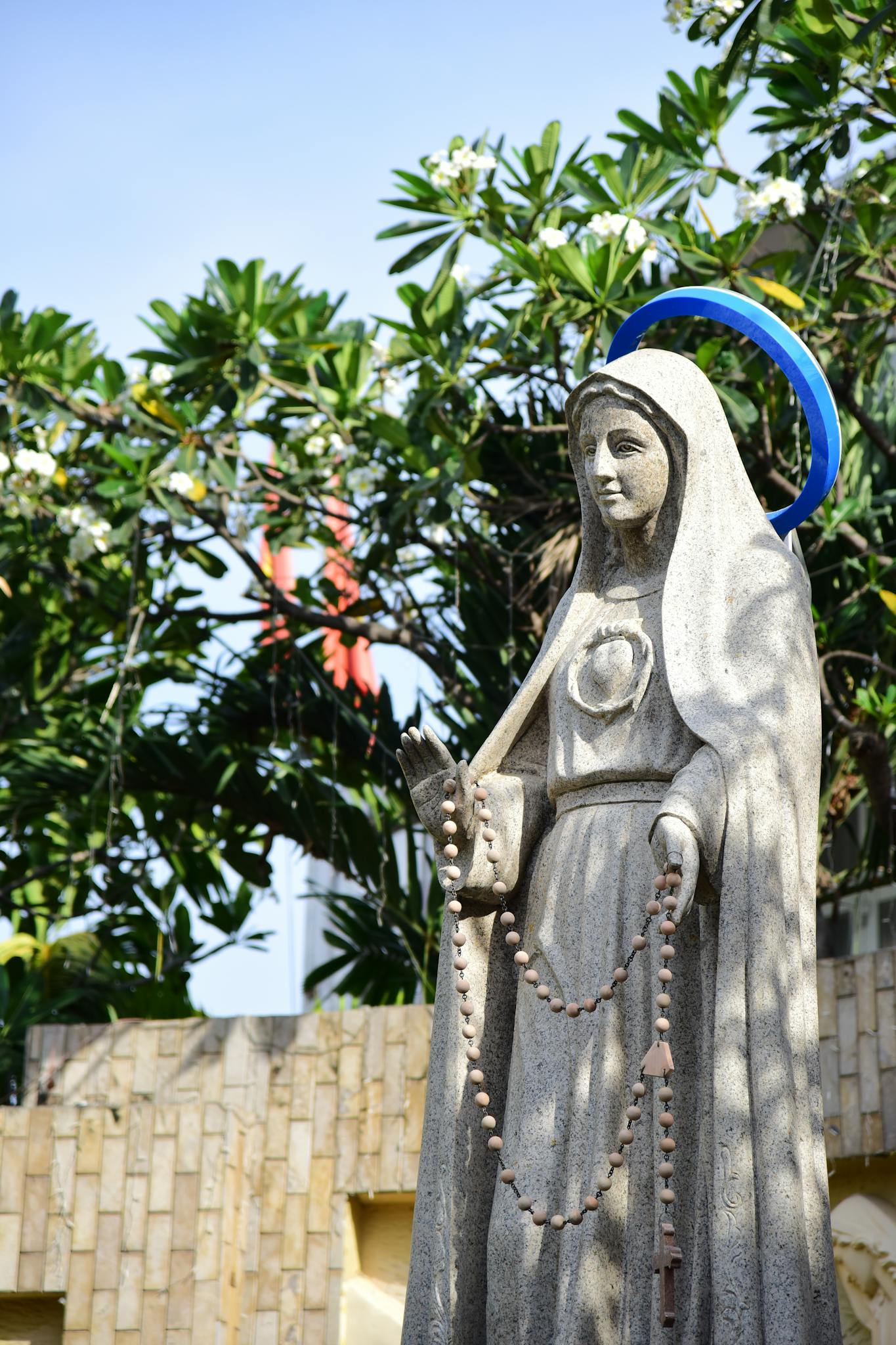
Devotion to St. Patrick
Devotions
Devotion to the fifth-century missionary bishop of Ireland, unusually well documented through his own surviving writings, though several of his most famous popular legends postdate him by many centuries.
Devotion to St. Patrick honors a fifth-century Romano-British missionary bishop credited with the large-scale conversion of Ireland to Christianity, a saint unusually well documented for his era because two of his own writings, the Confessio and the Letter to Coroticus, survive in his own words. Certain of the most famous popular stories associated with him, however, are later legendary additions rather than historical events: the account of him driving all the snakes out of Ireland is not found in his own writings or the earliest lives of him, and post-glacial Ireland is not believed to have had native snakes to begin with, while the well-known image of him teaching the Trinity using a shamrock is first documented only from around the seventeenth century, well over a thousand years after his death. He is honored today as patron of Ireland, with his feast, one of the most widely celebrated saints’ days in the world, kept on March 17.
Quick Facts
- Category: Saint-Associated Devotions — Named Saint Devotions
- Origin: The life and mission of St. Patrick (fifth century), unusually documented among early saints through his own surviving writings, the Confessio and the Letter to Coroticus
- Feast: March 17
- Church status: A permitted and established saint devotion; Patrick’s feast remains on the General Roman Calendar, and he is honored as principal patron of Ireland
- Private revelation: Not dependent on private revelation; devotion rests on his own writings, later hagiography and long tradition rather than a reported apparition
What Is This Devotion?
Devotion to St. Patrick means honoring the missionary bishop credited with converting much of Ireland to Christianity and seeking his intercession as patron of that country and of the Irish diaspora worldwide. His March 17 feast has grown, especially outside Ireland, into one of the most widely observed saints’ days on the calendar, marked by parades, civic celebration and, within the Church, Masses and prayer specifically honoring his missionary legacy — a devotion that this site distinguishes from the largely secular popular festivities that have grown up alongside it.
Origin and History
Patrick was born in Roman Britain, most likely in the late fourth or early fifth century, to a Christian family of some standing; by his own account in the Confessio, he was captured by Irish raiders around the age of sixteen and enslaved in Ireland for six years, tending sheep, before escaping and eventually returning to his family. He later felt called back to Ireland as a missionary, was ordained a bishop, and spent decades preaching, baptizing and establishing churches across the island, work he describes with striking personal candor, including his own spiritual struggles and the hardships of his mission, in the Confessio, along with a separate surviving letter, the Letter to Coroticus, protesting the enslavement and killing of Irish Christian converts by a British warlord’s soldiers.
These two texts make Patrick unusually well documented for a saint of his era, since they survive in his own words rather than through later hagiography alone; his traditional death date is often given as March 17, in a year usually placed in the later fifth century, though the exact year remains uncertain. Several of the most famous popular stories about him, however, come from much later tradition: the legend of him banishing all snakes from Ireland does not appear in his own writings or in the earliest surviving lives of him, composed a few centuries after his death, and modern science holds that Ireland’s post-glacial climate and isolation from continental Europe meant it likely had no native snake population for Patrick to banish in the first place. The equally famous image of Patrick using a three-leafed shamrock to explain the Trinity to potential converts is first documented only from around the seventeenth century, well over a thousand years after his reported death, and this site presents both stories as later legendary tradition rather than events described in his own surviving writings.
Catholic Theology
Devotion to St. Patrick rests on ordinary Catholic teaching about the intercession of the saints and the honor due to the missionary founders of a local Church, here applied to a figure whose own surviving writings give an unusually direct, first-person window into early Christian missionary life, conversion and perseverance through hardship. The later legendary stories associated with him, even where they cannot be verified as historical, have long served as popular teaching devices — the shamrock as an image of the Trinity, for instance — without the Church treating them as events it claims actually occurred.
How to Practice It
- Pray for the Church in Ireland and for the intercession of St. Patrick on behalf of missionaries and those spreading the faith.
- Read excerpts of Patrick’s own Confessio to encounter his life and faith directly, in his own words.
- Attend Mass on March 17, distinguishing the day’s religious observance from its more secular popular festivities.
- Approach the snake-banishing and shamrock stories as later legendary or symbolic tradition rather than events recorded in Patrick’s own surviving writings.
Associated Prayers
When It’s Observed
St. Patrick’s feast is kept on March 17 each year, one of the most widely celebrated saints’ days in the world, observed within the Church through Mass and prayer and, especially outside Ireland, through parades and broader civic festivities that this site distinguishes from the religious observance itself.
Church Status
St. Patrick’s standing as principal patron of Ireland and one of the Church’s great missionary saints is firmly established, and his feast remains a settled part of the General Roman Calendar. His unusually direct surviving writings give this devotion a stronger documentary foundation than most saints of his era, even though several of the popular legends most associated with him today developed only centuries later and are not part of that documented core.
Common Misconceptions
“St. Patrick’s own writings describe him driving the snakes out of Ireland.”
They do not. The snake-banishing story does not appear in Patrick’s Confessio or Letter to Coroticus, nor in the earliest surviving lives of him written a few centuries after his death; it emerges only in later medieval tradition. Modern scientific understanding of Ireland’s post-glacial natural history also holds that the island likely had no native snakes for Patrick to banish. The devotion to Patrick as Ireland’s missionary patron is solidly founded on his own documented life and work; this particular legend is a later addition to it.
Frequently Asked Questions
What makes St. Patrick unusually well documented compared to other early saints?
Two texts survive in his own words: the Confessio, a spiritual autobiography defending his mission and recounting his enslavement and calling, and the Letter to Coroticus, protesting the killing and enslavement of Irish Christian converts. Very few saints from this early period left behind writings of their own, which gives Patrick’s devotion an unusually solid historical foundation.
Is the shamrock legend about St. Patrick historically accurate?
This site cannot confirm it as an event from Patrick’s own lifetime. The story of him using a shamrock to teach the Trinity is first documented only from around the seventeenth century, well over a thousand years after his reported death, with no trace of it in his own writings or the earliest lives of him. It remains a popular teaching image associated with his legacy, but not a historically documented episode.
Why did St. Patrick’s feast become such a widely celebrated holiday, including outside the Church?
Irish immigrant communities, especially in the United States, expanded March 17 from a religious feast into a broader civic and cultural celebration of Irish identity over the eighteenth, nineteenth and twentieth centuries, a development largely separate from the Church’s own liturgical observance of the day. This site encourages distinguishing the religious feast, honoring Patrick’s missionary work, from the secular parades and festivities that have grown up around it.
Sources
- Directory on Popular Piety and the Liturgy: Principles and Guidelines (2001)
- General Roman Calendar
- St. Patrick’s own Confessio and Letter to Coroticus, and the Roman Martyrology, for the documented and traditional account of his life