
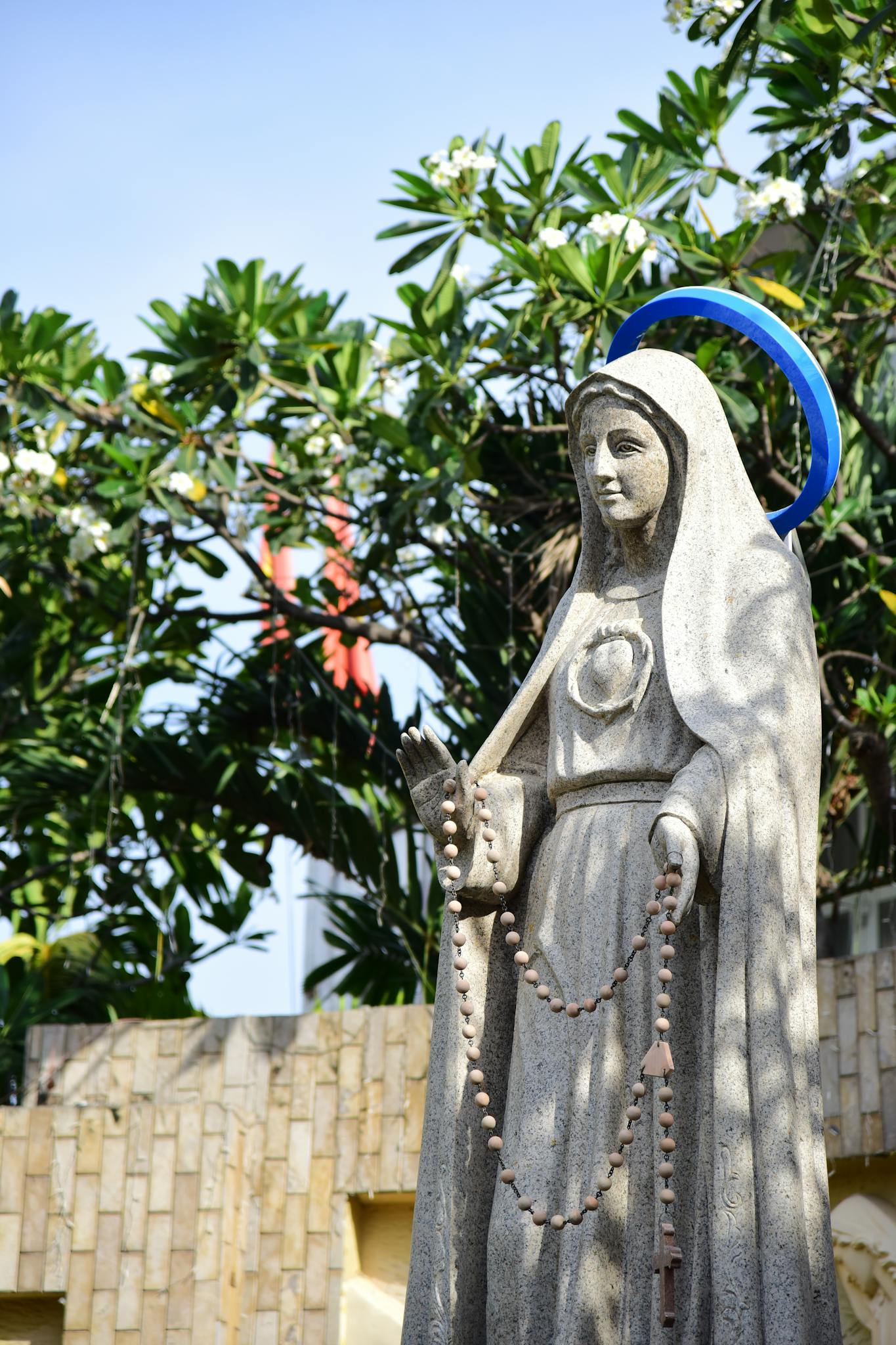
Devotion to St. Gerard Majella
Devotions
Devotion to the eighteenth-century Redemptorist lay brother honored as patron of mothers and expectant mothers, rooted in two documented episodes from the final years of his life.
Devotion to St. Gerard Majella honors an eighteenth-century Italian lay brother of the Redemptorist order, born in 1726 in Muro Lucano and known for humility, penance and practical service as gardener, tailor and porter. Two episodes from his final years shaped his enduring patronage of mothers and childbirth: a false accusation of impropriety by a pregnant woman, which he bore in silence rather than break another man’s confidence, and later saw retracted; and an incident involving a handkerchief he once left behind, later credited with bringing relief during a difficult childbirth. He died of tuberculosis in 1755 at only twenty-nine, was beatified in 1893 and canonized in 1904, and is honored on his October 16 feast, the date of his death.
Quick Facts
- Category: Saint-Associated Devotions — Named Saint Devotions
- Origin: Redemptorist hagiography of St. Gerard Majella (1726–1755), an Italian lay brother, and two documented episodes tied to his later patronage of mothers and childbirth
- Feast: October 16
- Church status: A permitted and established saint devotion; canonization confirms the Church’s judgment on his sanctity, and his patronage of mothers rests on long-received tradition connected to episodes in his life
- Private revelation: Not formally classified as private revelation; devotion rests on his hagiography and the Church’s own canonization process rather than a reported vision
What Is This Devotion?
Devotion to St. Gerard means seeking his intercession especially for expectant mothers and safe childbirth, and for mothers and children more broadly. Common practices include praying a novena to him during pregnancy, carrying a St. Gerard relic card or medal, and observing his annual novena at parishes and shrines with a historical devotion to him as patron of mothers.
Origin and History
Gerard was born April 6, 1726, in Muro Lucano, Italy, and joined the Redemptorists, the Congregation of the Most Holy Redeemer founded by St. Alphonsus Liguori, as a lay brother in 1749, serving in practical roles including gardener, sacristan, tailor, porter, cook and carpenter. Around age twenty-seven, a pregnant woman falsely accused him of fathering her child; rather than break the confidence of the man actually responsible, Gerard bore the accusation in silence and was barred from Communion and community privileges by his superior until the woman eventually retracted her claim.
Before his death, Gerard is said to have left his handkerchief at the home of the Pirofalo family, telling a young girl who returned it to keep it in case she might need it someday. Years later, married and facing a dangerous childbirth, she reportedly used the handkerchief and found relief and a safe delivery, the episode most directly behind his veneration as the saint of happy childbirth. Gerard died of tuberculosis in 1755 at Materdomini, was beatified by Pope Leo XIII in 1893, and was canonized by Pope Pius X in 1904.
Catholic Theology
Gerard’s canonization reflects the Catholic conviction that great holiness can be lived out in humble, hidden work: he was never ordained, and his sanctity was recognized in ordinary daily labor and silent endurance of injustice rather than public ministry. Devotion to him for pregnancy and childbirth reflects the Church’s confidence in the intercession of the saints for the real bodily concerns of Christian life, always alongside, never instead of, competent prenatal and medical care.
How to Practice It
- Pray a novena to St. Gerard, especially during pregnancy or when facing a difficult or anxious pregnancy.
- Ask his intercession for expectant mothers, for a safe delivery, and for mothers and children more broadly.
- Continue ordinary prenatal medical care alongside prayer, never treating devotion to St. Gerard as a substitute for it.
- Reflect on his silence under false accusation as a model of humility and trust in God’s vindication.
Associated Prayers
When It’s Observed
St. Gerard’s feast falls on October 16, the date of his 1755 death. It is widely kept on parish, diocesan and Redemptorist-order calendars, particularly wherever devotion to him as patron of mothers is strong, though it is not among the small number of feasts on the Church’s universal General Roman Calendar for the whole Latin Church.
Church Status
St. Gerard Majella’s canonization in 1904 gives him full standing as a Church-recognized saint. His specific patronage of mothers and expectant mothers is a matter of longstanding popular tradition connected to the two episodes from his life described above, rather than a separate formal decree naming him patron of that specific cause, and it carries the weight of custom rather than a distinct doctrinal declaration.
Common Misconceptions
“The handkerchief or relic itself has automatic healing power, apart from prayer and trust in God.”
This is not Catholic teaching. Sacramentals and relics associated with the saints are aids to devotion that point beyond themselves to God, who alone heals and saves; the Church has never taught that an object carries power independent of prayer and faith in God’s providence. The traditional account of Gerard’s handkerchief is received as a sign of his continuing intercession, not as an object with power of its own.
Frequently Asked Questions
Why is St. Gerard Majella the patron of mothers and expectant mothers?
Two episodes from the final years of his life are traditionally credited with this patronage: he was falsely accused of fathering a child and bore the accusation in silence rather than break another person’s confidence, and he is said to have left a handkerchief with a young woman that later brought relief during a dangerous childbirth. Together these episodes gave rise to his long veneration as patron of pregnancy and safe delivery.
Was St. Gerard Majella a priest?
No. He was a lay brother of the Redemptorists, the Congregation of the Most Holy Redeemer, serving the community in practical roles such as gardener, tailor, sacristan and porter rather than as an ordained priest. His canonization reflects the Church’s recognition that great holiness can be lived out in humble, ordinary work.
When is St. Gerard Majella’s feast day, and is it universally celebrated?
His feast is October 16, the date of his 1755 death. It is widely observed on parish, diocesan and Redemptorist-order calendars, particularly wherever devotion to him as patron of mothers is strong, though it is not among the small number of feasts kept on the Church’s universal General Roman Calendar for the whole Latin Church.
Sources
- Directory on Popular Piety and the Liturgy: Principles and Guidelines (2001)
- General Roman Calendar
- Roman Martyrology and the Congregation of the Most Holy Redeemer (Redemptorists), for the saint’s biography and canonization history