
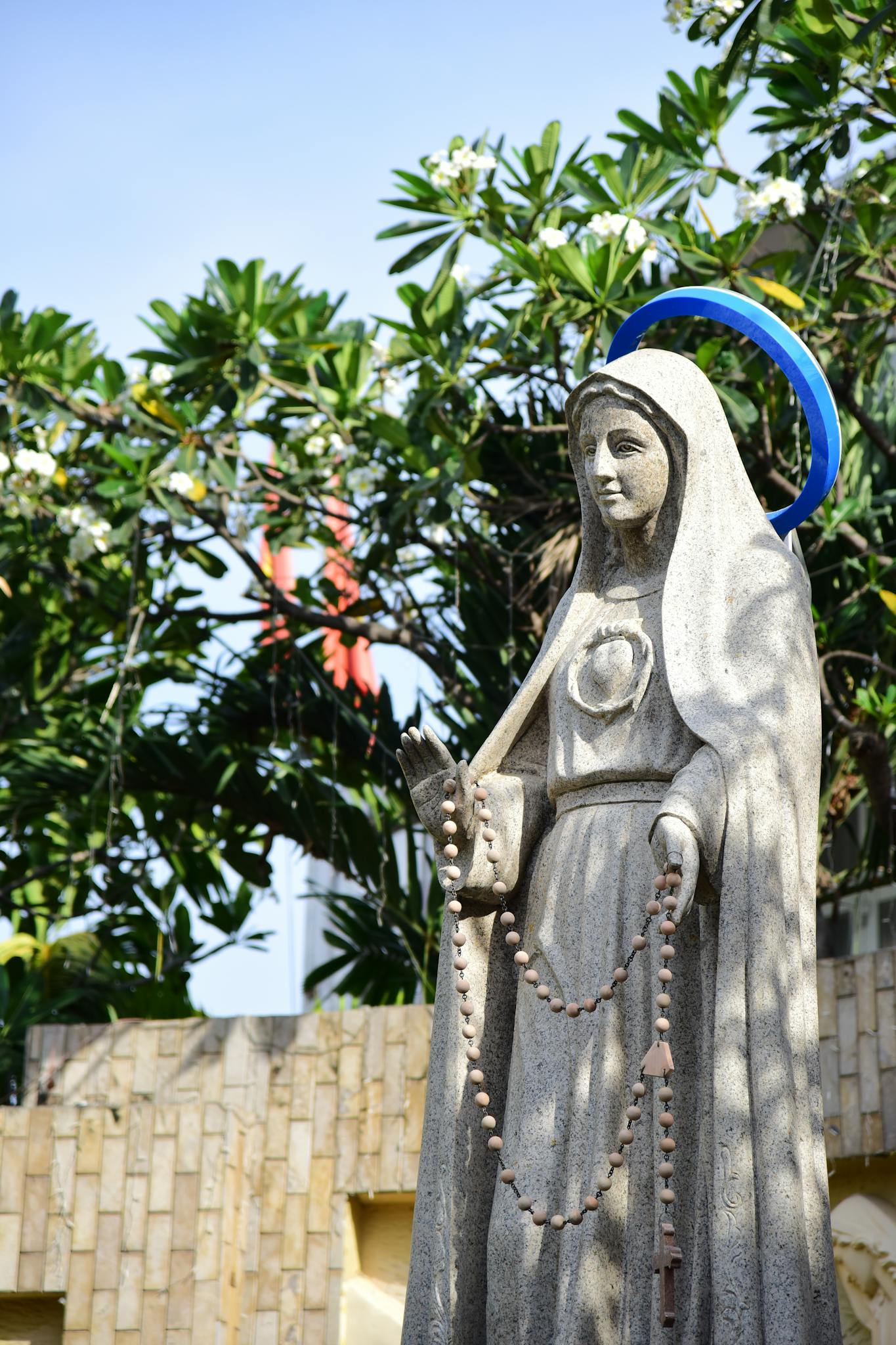
Devotion to St. Francis Xavier
Devotions
Devotion to the sixteenth-century co-founder of the Jesuits who became one of the most extensive Catholic missionaries in history, carrying the Gospel from India to Japan.
Devotion to St. Francis Xavier honors the sixteenth-century Spanish Jesuit, born in 1506 in the Kingdom of Navarre, who became one of the earliest and most far-reaching Catholic missionaries, evangelizing across India, Southeast Asia and Japan before dying in 1552 on an island off the coast of China, which he had hoped but never managed to enter. One of the first companions of St. Ignatius of Loyola, he was canonized in 1622 and later declared, alongside St. Thérèse of Lisieux, co-patron of the missions by Pope Pius XI. His body, reported to have been found incorrupt after death, rests today in the Basilica of Bom Jesus in Goa, India, and his feast is kept on December 3.
Quick Facts
- Category: Saint-Associated Devotions — Named Saint Devotions
- Origin: The life of St. Francis Xavier (1506–1552), one of the original companions of St. Ignatius of Loyola and a founding member of the Society of Jesus
- Feast: December 3
- Church status: A permitted and established saint devotion; canonized in 1622 and later declared co-patron of the missions
- Private revelation: Not dependent on private revelation; devotion rests on his documented missionary life rather than a reported apparition
What Is This Devotion?
Devotion to St. Francis Xavier means seeking his intercession especially for missionaries, for the spread of the Gospel, and for those discerning a missionary or evangelizing vocation. It is expressed through prayer, novenas — including the well-known Novena of Grace associated with his intercession — and pilgrimage to the shrine of his relics at the Basilica of Bom Jesus in Goa, India, one of the most visited Catholic pilgrimage sites in Asia.
Origin and History
Francis Xavier was born on April 7, 1506, at Xavier Castle in the Kingdom of Navarre. While studying in Paris he met Ignatius of Loyola and became one of the seven founding companions who, in 1534, took vows together at Montmartre that led to the founding of the Society of Jesus. Ordained a priest in 1537, he was sent east at the request of the King of Portugal, arriving in the Portuguese colonial territory of Goa, India, in 1542, from where he undertook missionary journeys across the Indian subcontinent, Southeast Asia and, from 1549, Japan — the first Jesuit missionary to reach that country.
Hoping to extend his mission to mainland China, Xavier died on December 3, 1552, on the island of Shangchuan off the Chinese coast, never having set foot on the mainland itself. His remains were later transferred to Goa, where devotional tradition holds his body was found unusually well preserved when exhumed; it rests today, enshrined at the Basilica of Bom Jesus, a UNESCO World Heritage site, with his relics periodically brought out for public veneration. He was canonized on March 12, 1622, by Pope Gregory XV, alongside Ignatius of Loyola, and Pope Pius XI declared him co-patron of all missionary work, together with St. Thérèse of Lisieux, in 1927.
Catholic Theology
Devotion to St. Francis Xavier rests on the Church’s teaching on the missionary mandate given by Christ to “make disciples of all nations” (Matthew 28:19), a mandate Xavier is held up as having lived with extraordinary zeal, personal hardship and linguistic effort across cultures very different from his own. Seeking his intercession as patron of the missions expresses trust that God continues to call and equip people for the work of evangelization, and gratitude for the concrete, well-documented example of one who gave his life to it.
How to Practice It
- Pray for missionaries and for the spread of the Gospel, invoking St. Francis Xavier’s intercession.
- Consider praying the Novena of Grace, a nine-day novena traditionally associated with his intercession.
- Learn about and support the Church’s missionary work today, in keeping with Xavier’s example.
- Reflect on his willingness to leave home, comfort and safety for the sake of the Gospel as a model of missionary vocation.
Associated Prayers
When It’s Observed
St. Francis Xavier’s feast is kept on December 3 each year on the General Roman Calendar, the anniversary of his death in 1552.
Church Status
St. Francis Xavier’s canonization and universal feast give this devotion the Church’s full and settled approval, and his designation as co-patron of the missions reflects his enduring significance for the Church’s evangelizing work. His relics and the periodic public veneration of his body at Goa are a long-established local devotional tradition connected to his shrine.
Common Misconceptions
“St. Francis Xavier personally established Catholicism in China.”
He did not, and never entered mainland China at all. Xavier hoped to bring the Gospel there after his extensive missionary work in India, Southeast Asia and Japan, but he died in December 1552 on the island of Shangchuan, off the Chinese coast, before he was able to reach the mainland. His missionary legacy is enormous, but this particular ambition was never realized in his lifetime.
Frequently Asked Questions
Where are St. Francis Xavier’s relics kept?
His body rests in the Basilica of Bom Jesus in Goa, India, where devotional tradition holds it was found incorrupt when exhumed some years after his death. The relics are periodically brought out for public veneration, drawing large numbers of pilgrims from India and beyond.
Why is St. Francis Xavier called co-patron of the missions?
Pope Pius XI formally declared him, together with St. Thérèse of Lisieux, co-patron of all Catholic missionary work in 1927, recognizing his extraordinary personal missionary journeys across India, Southeast Asia and Japan during the sixteenth century.
How is St. Francis Xavier connected to St. Ignatius of Loyola?
The two met as students in Paris and became close friends. Xavier was one of the seven original companions who joined Ignatius in founding what became the Society of Jesus, taking vows together at Montmartre in 1534, and the two were canonized together in 1622.
Sources
- Directory on Popular Piety and the Liturgy: Principles and Guidelines (2001)
- General Roman Calendar
- Roman Martyrology and Jesuit historical sources on the Society of Jesus, for the saint’s biography